Which Online Secondary Tuition Works Best for Different Learning Styles in Singapore
Every parent in Singapore has probably asked themselves the same question: is online secondary tuition the right choice for my child? The truth is, there is no one-size-fits-all answer. Some teenagers thrive with the flexibility of virtual lessons, while others miss the structure of a physical classroom. The key lies in understanding how different learning styles interact with the digital format.
Before you commit to any programme, it helps to consider what your child actually needs. Do they require hands-on guidance, or are they self-motivated learners who just need a nudge in the right direction? The convenience of online secondary tuition is undeniable, but that convenience only works if the teaching approach matches your child’s personality and academic goals.
A Common Situation Many Learners Face
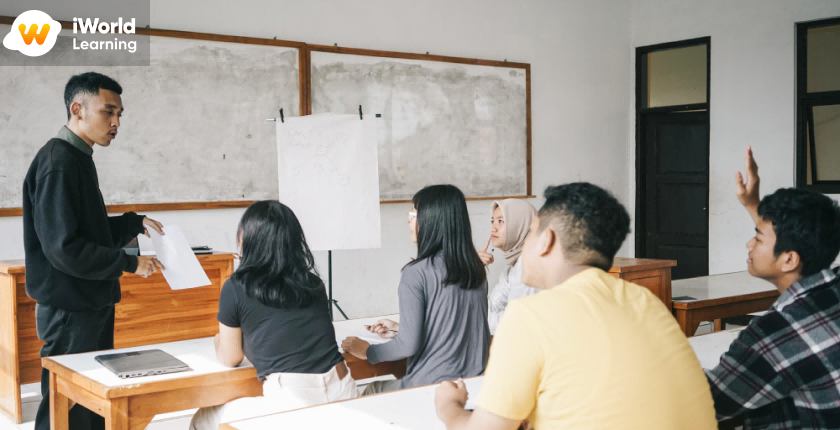
Consider the scenario of a Sec 3 student preparing for the O-Levels. They struggle with mathematics and have fallen behind the school syllabus. Their parents sign them up for a group online class, expecting improvement. However, three months later, grades remain stagnant. The child feels lost during lessons and rarely speaks up.
This situation happens more often than you might think. The problem is rarely about the tutor’s qualifications or the platform’s features. It often comes down to a mismatch between the student’s learning style and the class format. Some children need the immediate feedback that only a small group or one-to-one setting can provide, while others benefit from observing peers ask questions.
Why This Problem Happens
The shift to digital learning brought many advantages, but it also created new challenges for students accustomed to physical interaction. In a typical physical classroom, teachers can read body language. They know when a student is confused just by looking at them. Online, those cues disappear.
Additionally, group dynamics change significantly online. Some students become more reserved and hesitate to interrupt a virtual session. Others get easily distracted by notifications or background activity. Without proper structure, online secondary tuition can feel like a passive experience rather than an active learning one.
Another factor is the variety of subjects. A student who excels in humanities might find online discussions engaging, while a science student might miss the opportunity to ask spontaneous questions about practical experiments. The type of tuition must reflect the subject’s demands.
Possible Solutions
The good news is that these problems have practical solutions. The first step is to identify your child’s dominant learning style. Visual learners benefit from tutors who use interactive whiteboards and diagrams. Auditory learners need lessons that incorporate verbal explanations and discussions. Kinesthetic learners struggle the most online, but they can still succeed with short, activity-based sessions and frequent breaks.
Next, consider the size of the class. Small group sessions (3 to 5 students) often strike a balance between personalised attention and peer interaction. This format allows the tutor to adapt to individual needs while encouraging collaborative problem-solving. Some children, however, require one-to-one online secondary tuition to address specific gaps in their knowledge.
Technology also plays a role. Platforms that include polling, breakout rooms, and real-time quizzes can significantly boost engagement. Do not underestimate the importance of a stable internet connection and a quiet study environment at home. These logistical factors often determine the success of online learning.
Finding Courses in Singapore
When looking for online secondary tuition in Singapore, you will notice a wide range of providers. Large tuition centres offer structured programmes with established curricula. Independent tutors may provide more flexibility in scheduling and teaching pace. Both options have their merits.
Local tuition agencies often curate tutors based on student profiles. They can match your child with someone who has experience teaching specific subjects, such as Additional Mathematics, Pure Physics, or English Literature. If you prefer a more customised approach, some language schools also extend their services to secondary-level academic support. For instance, iWorld Learning offers tailored small-group sessions that focus on building communication and comprehension skills, which can be particularly helpful for students who need extra confidence in their English and humanities subjects.
It is also wise to check whether the tutor provides trial lessons. Many platforms allow a free first session so you can gauge compatibility before committing to a full term. These trials are invaluable because they reveal whether your child feels comfortable asking questions and whether the tutor’s teaching style aligns with the student's expectations.
How to Choose the Right Online Secondary Tuition
Choosing the right programme involves more than just looking at testimonials or price lists. Start by listing your child’s academic strengths and weaknesses. Be honest about their motivation levels. A self-driven student may do well with recorded lessons and flexible schedules, while a less motivated one might need the accountability of live, scheduled sessions.
Check the tutor’s credentials and experience. While a university degree is often necessary, teaching experience matters just as much. Ask about their methods for keeping students engaged online. Good tutors will have a clear plan for checking understanding, providing homework, and offering feedback beyond the virtual classroom.
Also, consider the cost and time commitment. While online secondary tuition tends to be more affordable than physical classes, prices still vary widely. Determine whether you want a weekly session or multiple classes per week. Some students benefit from shorter, more frequent sessions to reinforce concepts, while others prefer longer weekly meetings that cover more material in depth.
Parent involvement is another factor. Some platforms offer progress reports and parent portals so you can track your child’s improvement. These features provide transparency and allow you to step in if progress stalls. A tutor who communicates regularly with parents often makes a significant difference in the student’s long-term success.
A Balanced Perspective on Online Learning
It would be unfair to suggest that online secondary tuition is perfect for everyone. For some students, the lack of physical presence can feel isolating. The absence of immediate peer support might reduce motivation. On the other hand, online tuition offers unparalleled flexibility. Students can learn from the comfort of home, revisit recordings, and access a broader range of specialists than they might find locally.
The key is to remain flexible. If a particular tutor or platform does not work after a few months, do not hesitate to switch. A trial period allows you to test different formats without long-term commitment. Many students go through two or three tutors before finding the right match. This process is normal and should not be viewed as failure.
Another consideration is the balance between online and offline learning. Even if your child attends online secondary tuition, encourage them to form study groups with classmates. Physical study sessions can complement the online work and provide social interaction that digital platforms often lack.
Long-Term Benefits of Online Tuition
When implemented well, online tuition can teach students valuable skills beyond academics. They learn to manage their own time, navigate digital tools, and take responsibility for their learning. These skills are increasingly important in a world where remote work and digital communication are the norm.
For students aiming to enter polytechnic or junior college, the independence gained from online learning can give them a head start. They become comfortable with asking for help via email or chat, tracking their progress, and seeking additional resources when needed. These habits often translate into better academic performance in higher education.
Common Questions About Online Secondary Tuition
How much does online secondary tuition typically cost in Singapore?Prices vary depending on the tutor’s experience and the subject level. Group classes may range from SGD 30 to SGD 60 per hour, while one-to-one sessions can cost between SGD 80 and SGD 150 per hour. Many platforms offer package discounts for multiple sessions.
Can online tuition really match the quality of physical classes?Yes, when the tutor uses interactive tools and maintains regular communication. While physical classes have certain advantages, online sessions often provide more individual attention, especially in small group formats. The quality depends more on the tutor’s teaching style than on the medium.
How do I know if my child is improving with online tuition?Most reputable tutors provide regular progress reports and periodic assessments. Look for measurable improvements in test scores and confidence. Also, ask your child about their comfort level during lessons—if they feel engaged and are completing homework consistently, that is a positive sign.
What subjects are best suited for online secondary tuition?All subjects can be taught online, but mathematics and sciences often benefit from tutors who use visual aids and whiteboards. Humanities and languages can also work well, particularly with small-group discussions. The key is ensuring the tutor has experience delivering that specific subject in a digital format.
Related Articles
Recommended Reading
Popular Articles
-
English Teacher Salary in Singapore: A Complete 2026 Guide
-
The Ultimate english learning apps Bank: Categorized & Explained
-
British Council IELTS in 2026: What Changed, What It Costs, and How to Prepare
-
IELTS Price in 2026: What Test-Takers Actually Pay (And How to Spend Less)
-
The Complete 2026 Blueprint for O Level English Oral Topics 2026 Format & Strategy
-
IELTS Test Format, Scoring, and Key Changes for 2026 Explained
-
IELTS Exam Fee 2026: Complete Guide to Costs, Payment & Savings
-
PSLE 2026: Complete Guide to Exam Dates, Scoring System, and Preparation Strategies
-
IELTS Test Dates 2026: Monthly Schedule, Booking Strategy, and Prep Timeline
-
The Top 10 Tuition Centres in Singapore (2025) – A Curated Review for Parents & Students
latest articles
-
Story Mountains for Primary Writing: A Practical Guide
-
How to Use 'Indicted' Accurately in English
-
Plan TOEFL iBT Practice Around the Full Test Cost
-
Review Small-Group PSLE Oral Practice with Useful Evidence
-
PSLE English Format Review: Fix Repeated Preparation Mistakes
-
How to Ask a Client for a Testimonial: Email
-
Review TOEFL Practice Results Without Chasing Scores
-
How to Read Spanish Dictionary Definitions and Examples
-
When an Intensive English Course Is the Right Choice
-
A Reliable Planning Method for IELTS General Training Letters