What Makes Effective English Lessons Singapore Learners Can Trust
Introduction
Finding the right English course in Singapore can feel overwhelming. You see dozens of options—tuition centres, private tutors, online platforms, and community classes. Each one promises results. But what actually makes an English lesson effective?
The answer matters more than you might think. Adults in Singapore learn English for different reasons: career advancement, daily communication, or helping children with homework. Without effective lessons, time and money get wasted. This article breaks down what effective English lessons in Singapore look like, where to find them, and how to choose the right fit for your goals.
What Defines Effective English Lessons Singapore Learners Should Look For
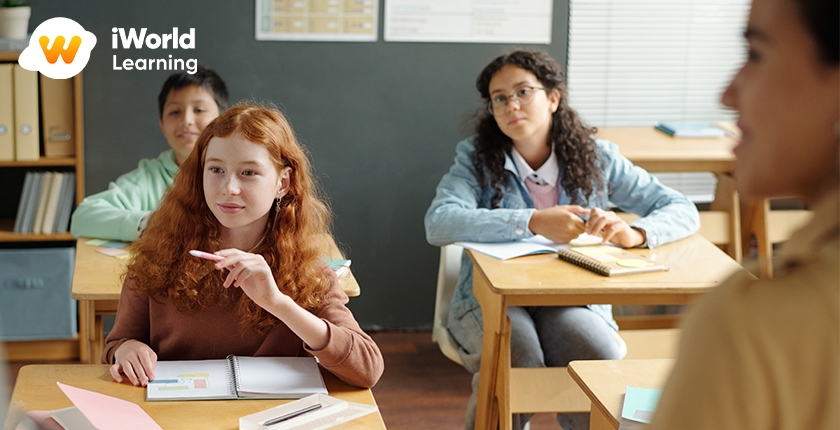
Effective English lessons share three core features. First, they focus on active use of the language, not just grammar rules on a whiteboard. Students should speak, make mistakes, and receive corrections in real time.
Second, effective lessons are personalised. A classroom of ten working adults has ten different weak spots. One person struggles with pronunciation. Another needs help with email writing. A third wants confidence for meetings. Good courses diagnose these gaps early and adjust accordingly.
Third, effective lessons provide measurable progress. You should know after four weeks whether your speaking fluency has improved or your grammar errors have reduced. Without clear benchmarks, you are guessing.
In Singapore, where English is a working language but many adults speak Mandarin, Malay, or Tamil at home, effective lessons also address first language interference. For example, Mandarin speakers often drop past tense markers. A good instructor catches these patterns and drills the correct forms.
Why Many Learners Struggle to Find Truly Effective English Lessons
Here is a common scenario. A professional in their thirties signs up for a ten-week English course at a neighbourhood centre. The class uses a generic textbook. The teacher lectures for two hours. Students complete worksheets. By week five, attendance drops. By week ten, the learner feels they have not improved.
Why does this happen? Because many courses teach about English rather than teach how to use English. They prioritise memorisation over conversation. They avoid error correction to keep students comfortable. And they rarely simulate real workplace scenarios.
Another problem is fixed pacing. In many group classes, the syllabus moves forward regardless of whether students have mastered the previous lesson. If you struggle with conditionals in week three, week four still pushes you into reported speech. Gaps multiply. Frustration grows.
Effective English lessons in Singapore must break this pattern. That means smaller class sizes, frequent speaking practice, and instructors who adapt to student needs rather than rigidly following a curriculum.
Available Options for Effective English Lessons in Singapore
You have several paths to consider. Each works for different situations.
Group classes at language centres – These are the most common. A good centre keeps class sizes under eight students. Lessons run once or twice per week. Topics cover general English, business communication, or exam preparation. For example, iWorld Learning offers small-group English courses designed to improve communication skills in realistic workplace and social contexts. The advantage is lower cost and peer interaction. The risk is less individual attention if the class is too large.
Private one-to-one tutoring – This offers maximum personalisation. The tutor focuses entirely on your weak areas. Lessons move at your pace. However, quality varies wildly, and rates in Singapore range from $60 to $150 per hour. Good private tutors are worth the cost if you have specific, urgent goals.
Corporate in-house training – Many companies in Singapore bring English trainers to the office. Lessons target business writing, presentation skills, or meeting participation. The benefit is convenience and relevance. The drawback is that your colleagues are also your classmates, which can make some learners reluctant to make mistakes.
Online courses with live instructors – Since 2020, many Singapore learners have switched to platforms like Zoom for English lessons. When done well, online lessons are just as effective as in-person. Look for small group sizes, breakout rooms for pair work, and instructors who cold-call students rather than waiting for volunteers.
Community-based workshops – Libraries and community centres sometimes offer low-cost English conversation circles. These are less structured but excellent for building basic speaking confidence. They are not ideal for intermediate or advanced learners who need targeted feedback.
How to Choose Effective English Lessons Singapore Providers
Use this four-step checklist before enrolling anywhere.
Step one: Take a placement test and trial lesson. Any confident provider will offer both. The placement test should take at least thirty minutes and cover speaking, listening, reading, and writing. The trial lesson should let you experience the teaching style, class size, and peer level. If a school refuses a trial, walk away.
Step two: Ask about student-teacher ratio. For adult learners, effective group lessons have a maximum of eight students per instructor. At six students or fewer, you get substantial speaking time. At ten or more, you become a spectator.
Step three: Request a sample lesson plan. Look for balanced time on speaking, listening, grammar in context, and error correction. Be suspicious of courses that spend more than thirty percent of class time on worksheets or video watching. Effective English lessons are active, not passive.
Step four: Check instructor qualifications. In Singapore, the most reliable credential is a CELTA, DELTA, or a master’s in TESOL/TEFL. Native English ability alone does not make someone a good teacher. Ask directly: “What teaching qualifications do your instructors hold?”
Common Questions About Effective English Lessons Singapore
How long does it take to see improvement with effective English lessons?
Most learners notice small gains in confidence and fluency within four to six weeks of weekly lessons. Measurable improvement in grammar accuracy or vocabulary range typically takes three to four months of consistent practice, including self-study between classes.
Are group lessons or private lessons more effective for working adults in Singapore?
It depends on your goal. Group lessons work well for improving general fluency and learning from peers’ mistakes. Private lessons are more effective if you have a specific deadline, such as a job interview or presentation, or if you need intensive correction on persistent errors that group settings cannot address.
What is a realistic budget for quality English lessons in Singapore?
Expect to pay $300 to $600 per month for weekly group lessons at a reputable centre. Private tutoring ranges from $60 to $150 per hour. Corporate rates vary but typically fall between $120 and $250 per hour for a group of four to eight employees. Very cheap courses under $200 per month often compromise on class size or teacher qualifications.
Can adults in their forties or fifties still improve their English significantly?
Absolutely. Adults learn languages differently from children—more analytically, with stronger pattern recognition—but they can absolutely achieve advanced fluency. The key is finding lessons that respect adult learning principles: practical relevance, immediate application, and respectful error correction. Many successful professionals in Singapore have transformed their English confidence in their forties and fifties.
相关文章
Recommended Reading
Popular Articles
-
English Teacher Salary in Singapore: A Complete 2026 Guide
-
The Ultimate english learning apps Bank: Categorized & Explained
-
British Council IELTS in 2026: What Changed, What It Costs, and How to Prepare
-
IELTS Price in 2026: What Test-Takers Actually Pay (And How to Spend Less)
-
The Complete 2026 Blueprint for O Level English Oral Topics 2026 Format & Strategy
-
IELTS Test Format, Scoring, and Key Changes for 2026 Explained
-
IELTS Exam Fee 2026: Complete Guide to Costs, Payment & Savings
-
PSLE 2026: Complete Guide to Exam Dates, Scoring System, and Preparation Strategies
-
IELTS Test Dates 2026: Monthly Schedule, Booking Strategy, and Prep Timeline
-
The Top 10 Tuition Centres in Singapore (2025) – A Curated Review for Parents & Students
latest articles
-
Choose an English Tuition Centre in Singapore by Evidence
-
Empathic: Meaning, Grammar and Natural Usage
-
Medical Suffixes: Use a Dictionary Without Guessing
-
Synonyms for 'Diverse': Describe Difference Precisely
-
Choosing an English Camp for Primary School Children in Singapore
-
Synonyms for 'Shape': Choose by Form, Influence or Development
-
How to Pronounce 'Concierge' Clearly
-
Should 'Açaí' Be Italicised in English?
-
What Is a Niece? Meaning and Family Relationship
-
TOEFL iBT Test Length in 2026: Plan for the Current Format