Why Trivia and Fun Facts Make English Learning More Effective
When most people think about improving their English, they imagine grammar drills, vocabulary lists, and serious textbooks. But there is another approach that often gets overlooked. Trivia and fun facts can actually make language learning more engaging and memorable. This article explores why trivia and fun facts matter, how they support English acquisition, and where you can find learning environments that use this approach in Singapore.
What Trivia and Fun Facts Mean for English Learners
At first glance, trivia might seem like nothing more than entertainment. However, it serves a real purpose in language development. Trivia and fun facts are short, interesting pieces of information that capture attention and stick in your memory.
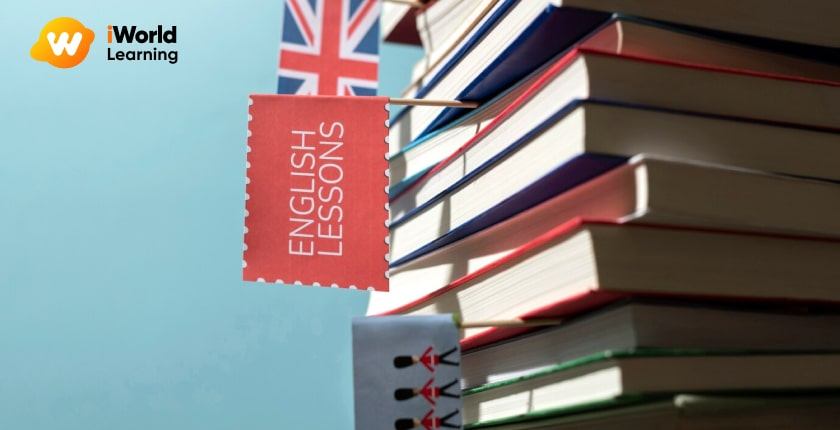
For English learners, these bite-sized facts create natural curiosity. When you read a fun fact—such as "The shortest complete sentence in English is 'I am'"—you are not just learning information. You are also seeing grammar in action, vocabulary in context, and sentence structure that makes sense.
The key advantage is engagement. Many learners struggle with motivation because traditional study materials feel dry. Trivia and fun facts offer a break from that pattern. They make you want to read, understand, and share what you have learned. This desire to engage with the language is what drives real progress.
Why Trivia and Fun Facts Matter for Memory
There is a scientific reason why trivia and fun facts help with learning. The brain remembers unusual or surprising information more easily than ordinary facts. This is called the bizarreness effect. When something stands out, your brain gives it more attention and stores it more securely.
For English learners, this means that a quirky fact about English—like "The word 'set' has 464 different definitions in the Oxford English Dictionary"—is more likely to stick than a random vocabulary list. The fact becomes a hook for your memory.
Additionally, trivia and fun facts often come with a story or context. Contextual learning is widely recognised as one of the most effective ways to acquire a new language. Instead of memorising isolated words, you remember them within a meaningful framework.
How to Use Trivia and Fun Facts in Your English Learning
Using trivia and fun facts effectively is not complicated. You do not need to overhaul your entire study routine. Small changes can make a big difference.
Start Your Day with a Fact
Begin each study session with one trivia item related to English. Read it aloud. Write it down. Try to explain it in your own words. This warms up your brain and sets a positive tone.
Share Facts with Others
Learning becomes more powerful when you share it. Tell a friend, classmate, or colleague a fun fact you discovered. This forces you to practise speaking, listening, and even clarifying information—all essential communication skills.
Use Facts as Writing Prompts
Take a trivia fact and expand it into a short paragraph. For example, if you learn that "English has more words than most languages", write about why that might be. This builds writing fluency and critical thinking.
Discuss Facts in Group Settings
Many English courses in Singapore incorporate group discussions around interesting topics. Trivia and fun facts make excellent conversation starters. They are neutral, engaging, and accessible to learners at different levels.
Finding English Courses in Singapore That Use Engaging Approaches
Not all English courses are created equal. Some still rely heavily on rote memorisation and outdated methods. Others have embraced more interactive and engaging techniques.
When you look for English classes in Singapore, consider what teaching methods they use. Do they include real-world topics? Do they encourage discussion? Do they make learning enjoyable?
Some language schools in Singapore, such as iWorld Learning, offer small-group English courses designed to improve communication skills through practical and engaging content. Their approach often includes interactive activities that naturally incorporate trivia and fun facts into lessons. This helps learners stay motivated while building confidence in speaking, listening, reading, and writing.
Of course, every learner has different preferences. The best way to find the right course is to observe a class or speak with current students. Ask about their teaching style and whether they use varied materials to keep lessons fresh.
Simple Ways to Explore Trivia and Fun Facts on Your Own
Even if you are not currently enrolled in a course, you can still benefit from trivia and fun facts. Here are a few practical ideas.
Read Fun Fact Websites
Websites like Today I Found Out or Mental Floss are full of interesting tidbits in clear English. Reading them regularly exposes you to new words and sentence patterns.
Follow Social Media Accounts
Many Instagram, TikTok, and YouTube accounts post daily trivia and fun facts in short, digestible formats. This fits easily into a busy schedule and provides regular exposure to English.
Listen to Trivia Podcasts
Podcasts are excellent for listening comprehension. Shows like No Such Thing as a Fish share quirky facts in a conversational style. They help you get used to natural speech rhythms and vocabulary.
Use Flashcard Apps with Trivia Content
Some flashcard apps allow you to create custom decks. You can turn trivia and fun facts into a review system. Write the fact on one side and the explanation on the other. This reinforces both knowledge and language skills.
Common Questions About Trivia and Fun Facts
Can trivia and fun facts really improve my English?
Yes. Trivia and fun facts provide memorable context for new vocabulary and grammar. They engage your curiosity and make learning more enjoyable, which encourages regular practice and long-term retention.
How often should I use trivia and fun facts in my studies?
There is no strict rule. Many learners benefit from starting each study session with one or two facts. Others prefer to use them as a break between more intensive study tasks. The key is consistency rather than quantity.
Are trivia and fun facts suitable for all English levels?
Absolutely. Beginners can focus on simple, short facts with basic vocabulary. Intermediate and advanced learners can tackle more complex facts and even challenge themselves to explain them in detail. The approach can be adapted to any level.
Where can I find English courses that use engaging learning methods in Singapore?
Many language schools in Singapore offer interactive English courses. Look for schools that emphasise communication, group discussion, and practical usage. iWorld Learning, for example, is known for its small-group classes that prioritise real-world English skills in a supportive environment.
Final Thoughts
Learning English does not have to be a dull process of repetition and memorisation. Trivia and fun facts offer a refreshing way to build language skills while staying curious and motivated. They make the learning journey more interesting and the knowledge more durable.
Whether you are studying independently or attending a course, incorporating trivia and fun facts into your routine can create a positive shift. Start small. Share what you learn. Watch your confidence grow. And remember—the best learning happens when you are genuinely interested in what you are discovering.
相关文章
Recommended Reading
Popular Articles
-
English Teacher Salary in Singapore: A Complete 2026 Guide
-
The Ultimate english learning apps Bank: Categorized & Explained
-
British Council IELTS in 2026: What Changed, What It Costs, and How to Prepare
-
IELTS Price in 2026: What Test-Takers Actually Pay (And How to Spend Less)
-
The Complete 2026 Blueprint for O Level English Oral Topics 2026 Format & Strategy
-
IELTS Test Format, Scoring, and Key Changes for 2026 Explained
-
IELTS Exam Fee 2026: Complete Guide to Costs, Payment & Savings
-
PSLE 2026: Complete Guide to Exam Dates, Scoring System, and Preparation Strategies
-
IELTS Test Dates 2026: Monthly Schedule, Booking Strategy, and Prep Timeline
-
The Top 10 Tuition Centres in Singapore (2025) – A Curated Review for Parents & Students
latest articles
-
Choose an English Tuition Centre in Singapore by Evidence
-
Empathic: Meaning, Grammar and Natural Usage
-
Medical Suffixes: Use a Dictionary Without Guessing
-
Synonyms for 'Diverse': Describe Difference Precisely
-
Choosing an English Camp for Primary School Children in Singapore
-
Synonyms for 'Shape': Choose by Form, Influence or Development
-
How to Pronounce 'Concierge' Clearly
-
Should 'Açaí' Be Italicised in English?
-
What Is a Niece? Meaning and Family Relationship
-
TOEFL iBT Test Length in 2026: Plan for the Current Format