What K1 English Tuition in Singapore Means for Your Child’s First School Years
When your child turns five, the landscape of their education begins to shift. Play-based learning starts to share space with more structured activities. For many parents in Singapore, this is the moment they start thinking seriously about academic preparation. One of the more common questions that comes up is about tuition for K1 in Singapore.
It’s a fair question. With the local primary school system being as competitive as it is, parents want to ensure their children are not at a disadvantage before they even enter Primary 1. But what does tuition for a five-year-old actually look like? And more importantly, is it the right move for your child?
This article will walk you through the realities of early childhood English enrichment, what you can expect from programmes, and how to know if your child is ready.
What Does ‘Tuition for K1 in Singapore’ Actually Involve?
When people search for tuition for K1 in Singapore, they aren’t usually looking for the kind of intense academic drilling you might see in secondary school. For K1, tuition generally takes the form of enrichment classes or guided play-based learning.
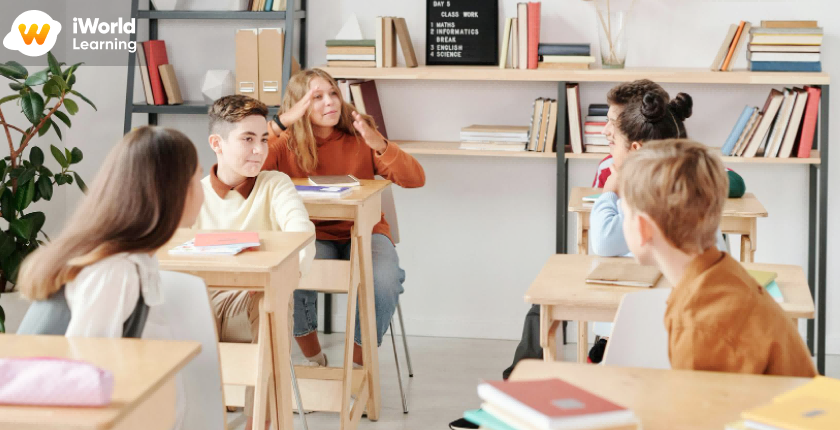
At this age, the focus is almost entirely on foundational literacy. This includes:
-
Recognising uppercase and lowercase letters
-
Understanding basic phonics and letter sounds
-
Building a simple vocabulary of everyday words
-
Practising pre-writing skills (tracing, shapes, patterns)
-
Developing listening comprehension
These are not formal tests or examinations. Instead, reputable programmes like those offered by iWorld Learning use interactive methods to keep children engaged. Their small-group English courses are designed to build a love for language before introducing formal reading skills.
Why Parents Look for K1 English Programmes
There are a few key reasons why parents in Singapore start looking into tuition for K1 so early.
The first is the fear of the Primary 1 syllabus. English in primary school moves quickly. If a child enters P1 without being able to recognise simple words, they may struggle to keep up with the reading assignments and homework. Parents often see K1 as the final year they can gently introduce academic skills without pressure.
The second reason is peer comparison. In a society where parents openly discuss their children’s progress, it’s easy to feel anxious if your neighbour’s child is already reading simple sentences while yours is still mixing up letters. This isn’t necessarily a good reason to enrol your child, but it does explain the demand.
Third, some parents simply feel more comfortable leaving early literacy to professionals. They may lack the time or confidence to teach phonics themselves. Enrolling in a programme gives them a structured approach that they can reinforce at home.
Available Options for K1 English Enrichment
If you’re exploring tuition for K1 in Singapore, you’ll find that the landscape is diverse. Programmes range from large chains to boutique learning centres, each with a slightly different approach.
Play-Based Learning Centres
These are the most common options. They combine structured learning with hands-on activities. For example, a session might begin with a phonics song, followed by a craft activity that reinforces the letter of the day. These centres are usually safe and familiar to children who have already attended playgroup or nursery.
Phonics-Focused Programmes
Some centres specialise almost entirely in phonics. These are excellent for children who need a strong foundation in letter-sound relationships. However, they can be repetitive, and some children may find them boring if there’s too little variety in activities.
Small Group Classes
Smaller class sizes are generally better for K1 learners. It allows the teacher to give individual attention and adjust the pace based on each child’s needs. Some language schools in Singapore, such as iWorld Learning, offer small-group settings that balance structure with flexibility. It’s an approach that works well for children who might feel intimidated in a larger class.
One-on-One Home Tuition
Home tuition is also an option, although less common at this age. It’s usually reserved for children who need extra support due to developmental delays or attention difficulties. While one-on-one attention is helpful, it can be expensive and may lack the social interaction that group settings provide.
How to Choose the Right Programme for Your Child
Choosing the right tuition for K1 in Singapore can feel overwhelming. With so many options, it’s tempting to go with the most popular centre or the one closest to your home. But there are better ways to narrow down your choice.
Observe Your Child’s Readiness
Before you even start visiting centres, ask yourself: is your child ready for more structured learning? Can they sit through a 20-minute activity? Do they enjoy songs and stories? If they still prefer free play and run around constantly, a highly structured programme may cause stress rather than learning.
Consider the Teacher-to-Child Ratio
For K1, a ratio of around 1 teacher to 6 students is generally considered ideal. Any more than that, and your child may not get enough individual attention. Always ask about class size before enrolling.
Ask About the Learning Approach
Some centres use worksheets, while others use storytelling and games. There’s no objectively right answer. What matters is what suits your child. A visual learner might benefit from picture books, while an active learner may prefer classes that incorporate movement.
Look at the Facilities
Take a walk through the centre if possible. Is it clean? Are the materials age-appropriate? Are there enough learning aids such as flashcards and storybooks? For children of this age, the physical environment matters more than you might think.
Request a Trial Class
Most centres will allow you to book a trial session. This is non-negotiable. A trial class will tell you more than any brochure ever will. It reveals how your child reacts to the teacher and whether they feel comfortable in the space.
Common Questions About Tuition for K1 in Singapore
Is tuition for K1 really necessary?
Not necessarily. Many children enter Primary 1 without formal tuition and do just fine. However, for children who are slower to pick up letter recognition or need a confidence boost, a gentle enrichment programme can be helpful.
How much does K1 English tuition cost in Singapore?
Costs range significantly. Group enrichment classes typically cost between $200 and $500 per month, depending on the centre and frequency. Private tuition is more expensive, often exceeding $50 per hour.
What should my child know before starting tuition?
Most programmes accept children at any level. However, it helps if your child is familiar with sitting in a group and following simple instructions. No prior reading ability is required.
How do I know if a programme is working?
Look for signs of gradual progress rather than immediate results. Does your child enjoy going to class? Can they recognise more letters over time? Are they more interested in books at home? These are better indicators than a checklist of mastered skills.
Final Thoughts
Tuition for K1 in Singapore is not a one-size-fits-all solution. For some families, it’s a wonderful way to give their child a gentle introduction to literacy. For others, it’s an unnecessary expense that adds pressure to a child who might not be ready.
The most important step is to assess your child’s readiness and your own goals. If you do decide to enrol them, choose a programme that values engagement and enjoyment as much as academic progress. The goal at this age isn’t to create a perfect reader—it’s to create a child who enjoys stories, words, and the process of learning itself.
Related Articles
Recommended Reading
Popular Articles
-
English Teacher Salary in Singapore: A Complete 2026 Guide
-
The Ultimate english learning apps Bank: Categorized & Explained
-
British Council IELTS in 2026: What Changed, What It Costs, and How to Prepare
-
IELTS Price in 2026: What Test-Takers Actually Pay (And How to Spend Less)
-
The Complete 2026 Blueprint for O Level English Oral Topics 2026 Format & Strategy
-
IELTS Test Format, Scoring, and Key Changes for 2026 Explained
-
IELTS Exam Fee 2026: Complete Guide to Costs, Payment & Savings
-
PSLE 2026: Complete Guide to Exam Dates, Scoring System, and Preparation Strategies
-
IELTS Test Dates 2026: Monthly Schedule, Booking Strategy, and Prep Timeline
-
The Top 10 Tuition Centres in Singapore (2025) – A Curated Review for Parents & Students
latest articles
-
Story Mountains for Primary Writing: A Practical Guide
-
How to Use 'Indicted' Accurately in English
-
Plan TOEFL iBT Practice Around the Full Test Cost
-
Review Small-Group PSLE Oral Practice with Useful Evidence
-
PSLE English Format Review: Fix Repeated Preparation Mistakes
-
How to Ask a Client for a Testimonial: Email
-
Review TOEFL Practice Results Without Chasing Scores
-
How to Read Spanish Dictionary Definitions and Examples
-
When an Intensive English Course Is the Right Choice
-
A Reliable Planning Method for IELTS General Training Letters