What to Expect from English Tuition for Secondary Students in Singapore
If you are looking for English tuition for secondary students in Singapore, you are not alone. Many parents and students seek extra support to cope with the demands of the secondary school English syllabus, which emphasises not only language proficiency but also critical thinking, comprehension, and writing skills.
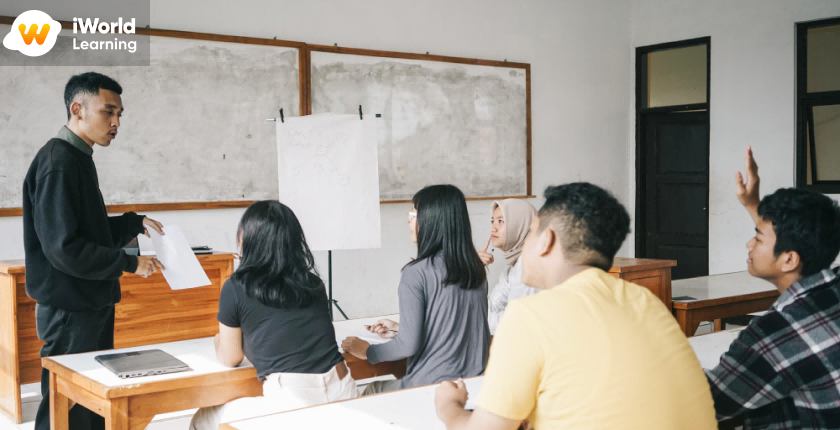
The transition from primary to secondary English can be significant. The reading passages become longer, the vocabulary more sophisticated, and the writing tasks more complex. For students who need additional support, English tuition for secondary levels can offer targeted help to address these challenges and build confidence.
What to Expect from English Tuition for Secondary
English tuition for secondary students typically focuses on the core components of the secondary English curriculum: Paper 1 (Writing), Paper 2 (Comprehension), Paper 3 (Listening), and Paper 4 (Oral Communication). Depending on the student's needs, tuition programmes may emphasise specific areas such as essay writing, summary skills, or oral examination preparation.
In many quality tuition centres, lessons are designed to help students understand not just the rules of English, but also the techniques needed to handle examination questions effectively. This includes analysing question types, identifying key information in passages, and structuring arguments clearly. For example, in writing, students often learn how to develop a strong thesis statement, organise paragraphs logically, and use varied sentence structures to improve clarity and style.
A well-structured tuition programme also provides regular practice and feedback. This might include timed writing exercises, comprehension drills, and mock oral examinations. The aim is to help students internalise good habits and become more comfortable with the examination format.
Why Secondary English Can Be Challenging
The difficulty of secondary school English often catches students and parents by surprise. Unlike primary English, where the focus is largely on grammar and basic comprehension, secondary English requires students to engage with more abstract themes and texts. They are expected to infer meaning, evaluate arguments, and express nuanced opinions—all within a limited time frame.
For many students, the jump in expectations is steep. Those who do well in primary school may suddenly find themselves struggling to meet the demands of secondary-level comprehension questions, which often require detailed, evidence-based answers. Similarly, essay writing becomes more about crafting persuasive, coherent arguments rather than just describing events or experiences.
Another factor that contributes to these challenges is the shift in focus from language accuracy to language effectiveness. Grammar and vocabulary remain important, but at the secondary level, students are assessed more heavily on their ability to use language persuasively and with stylistic flair. This requires a deeper understanding of tone, register, and audience.
Types of English Tuition Programmes Available
When exploring English tuition for secondary students, you will find several options. The most common are small-group tuition classes, which offer a balance between individual attention and peer learning. These classes often follow a structured syllabus aligned with the Ministry of Education (MOE) framework and provide opportunities for students to learn from one another.
One-on-one tuition offers more customisation. This format is particularly useful for students who have very specific weaknesses, such as difficulty with summary writing or oral communication. In a one-to-one setting, the tutor can tailor lessons to the student's pace and revisit topics as needed.
Some students may prefer intensive revision programmes, especially during the lead-up to examinations. These programmes are designed to cover a large volume of material in a short time and are often structured around past-year papers and common examination topics. They may also include strategies for time management and stress reduction.
There are also specialised English tuition programmes that focus on a specific skill. For example, some centres offer writing workshops where students learn to craft compelling narrative and argumentative essays. Others run oral communication clinics where students can practise articulation, pronunciation, and interactive speaking.
How to Choose a Good English Tuition Programme
Choosing the right English tuition for secondary students can feel overwhelming, but focusing on a few key factors can help.
First, consider the teaching approach. Is the tuition provider offering rote learning and endless worksheets, or do they adopt a more interactive, engaging method? Look for programmes that encourage students to think critically, ask questions, and participate in discussions. This is especially important for the secondary level, where active engagement with texts and ideas is essential for improvement.
Second, check the qualifications of the tutors. Experienced tutors who have a strong command of the subject and familiarity with the MOE syllabus can better guide students through the complexities of the curriculum. Tutors who have a background in education or have taught in schools often bring practical insights to the classroom.
Third, consider the class size. Many students benefit from smaller class sizes where they can receive personalised feedback and support. Some language schools in Singapore, such as iWorld Learning, offer small-group English courses designed to improve communication skills alongside academic performance.
Fourth, ask about the materials and resources used. Quality tuition programmes often supplement the textbook with additional reading passages, contemporary articles, and multimedia resources. This can help students develop a broader vocabulary and stronger comprehension skills.
Finally, read reviews or speak to other parents. Hearing about others' experiences can provide valuable insight into what a particular centre or tutor is really like.
Tips for Supporting Your Child's English Learning at Home
Tuition provides structure and expert guidance, but progress also depends on what happens outside the classroom. Supporting your child at home can make a significant difference.
Encourage regular reading. Fiction, non-fiction, and news articles all help build vocabulary and expose students to different writing styles. Discussing what they have read can improve comprehension and critical thinking.
Practice writing together. You can help your child brainstorm essay ideas, review drafts, and discuss how to improve sentence structure and clarity. Encourage them to keep a journal or write short stories to build writing stamina.
Create a conducive study environment. A quiet space with minimal distractions can help your child stay focused during home study sessions.
Common Questions About English Tuition for Secondary
Is English tuition necessary for secondary students?
Not every student needs tuition, but for those who are struggling or aiming for high scores, English tuition can provide targeted support. It helps students understand complex concepts, practise exam techniques, and receive individual feedback that may not be possible in a large classroom setting.
How much does English tuition for secondary cost in Singapore?
Costs vary widely depending on the type of tuition. Group classes typically range from S$40 to S$80 per hour, while one-to-one tuition can cost S$80 to S$150 per hour or more. Some centres offer package deals or term-based pricing.
How long does it take to see improvement in English?
The timeline for improvement varies from student to student. Some show noticeable progress within a few months, while others may take longer. Consistency is key—regular practice and good study habits tend to yield the best results.
What should I look for in an English tutor?
Look for a tutor with strong communication skills, patience, and a teaching style that suits your child's learning preferences. Experienced tutors who can explain concepts clearly and provide constructive feedback are often more effective. It is also helpful if they are familiar with the latest MOE syllabus and examination formats.
Finding the right English tuition for secondary students is an investment in your child's future. With the right support, students can overcome challenges, gain confidence, and develop skills that will serve them well beyond the classroom.
相关文章
Recommended Reading
Popular Articles
-
English Teacher Salary in Singapore: A Complete 2026 Guide
-
The Ultimate english learning apps Bank: Categorized & Explained
-
British Council IELTS in 2026: What Changed, What It Costs, and How to Prepare
-
IELTS Price in 2026: What Test-Takers Actually Pay (And How to Spend Less)
-
The Complete 2026 Blueprint for O Level English Oral Topics 2026 Format & Strategy
-
IELTS Test Format, Scoring, and Key Changes for 2026 Explained
-
IELTS Exam Fee 2026: Complete Guide to Costs, Payment & Savings
-
PSLE 2026: Complete Guide to Exam Dates, Scoring System, and Preparation Strategies
-
IELTS Test Dates 2026: Monthly Schedule, Booking Strategy, and Prep Timeline
-
The Top 10 Tuition Centres in Singapore (2025) – A Curated Review for Parents & Students
latest articles
-
Internship Request Email: Student's Template
-
Counter-Offer From Your Employer: Responding
-
Award Nomination Email: Nominate a Peer
-
How to Pronounce 'Frites' in English and French Contexts
-
Lucidity: Meaning, Context and Natural Examples
-
Salvation: Meaning in Religious and Everyday Contexts
-
Mitigate Meaning in English: Usage, Grammar and Examples
-
Exit Interview Email: HR Templates
-
Empathic Synonyms: Differences in Meaning and Tone
-
Spelling Practice at Home: What Works