How Pronunciation and Phonetics Resources Can Improve Your English
When learning English, many people focus on vocabulary and grammar while overlooking the sounds of the language. Yet pronunciation and phonetics resources are often the missing link between classroom English and real-world communication. Whether you are preparing for work, study, or daily life in Singapore, clear pronunciation helps people understand you and makes conversations flow more naturally.
The Direct Answer: Yes, Pronunciation and Phonetics Resources Make a Real Difference
The short answer is that pronunciation and phonetics resources do improve spoken English. But the key lies in using the right materials and practising consistently. Phonetics refers to the physical sounds of speech—how we produce vowels, consonants, stress, and intonation. When learners engage with structured resources, they become more aware of these sounds and how their mouths should move to produce them correctly.
This awareness is not about eliminating an accent. It is about being understood. In Singapore’s multilingual environment, clear pronunciation helps you communicate with colleagues, clients, and friends more effectively. Resources like interactive apps, video tutorials, and guided practice sessions all serve this goal.
Why Many Learners Search for Pronunciation and Phonetics Resources
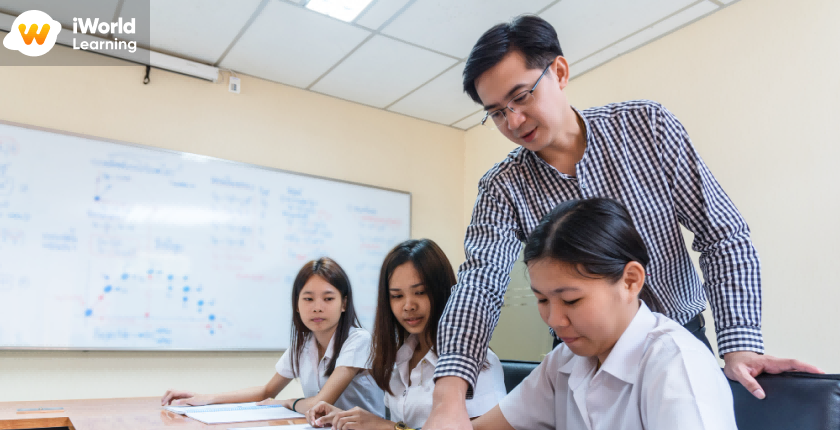
There is a common pattern among English learners in Singapore. They read well, write reasonably well, but feel nervous when speaking. The main reason is a gap between knowing a word and pronouncing it correctly. This is especially true for words borrowed from other languages or those with irregular stress patterns.
Many learners also realise that their pronunciation affects their professional image. In workplaces where English is the common language, being easily understood contributes to confidence and credibility. This explains why more adults are actively searching for pronunciation and phonetics resources to close this gap.
What Types of Pronunciation and Phonetics Resources Are Available
There is no shortage of materials to choose from. Understanding what exists helps you pick what suits your learning style.
Digital Tools and Mobile Apps
Apps like Elsa Speak and Speechling use voice recognition to give feedback on your pronunciation. They allow you to compare your speech with native models and identify specific problem sounds. Many learners in Singapore use these apps for daily practice because they are convenient and affordable.
Online Video Content
YouTube channels dedicated to English pronunciation offer free, high-quality guidance. You can find detailed explanations of vowel sounds, consonant clusters, and sentence rhythm. Some learners prefer this format because they can watch the speaker’s mouth movements and imitate them.
Phonetics Reference Guides
Dictionaries with International Phonetic Alphabet (IPA) transcriptions are valuable tools. They show you exactly how a word should sound. The IPA is like a map for pronunciation—once you understand the symbols, you can pronounce almost any English word correctly, even if you have never heard it spoken before.
Classroom-Based Learning
Structured courses provide more than just materials. They offer feedback from trained teachers and opportunities for live practice. Some language schools in Singapore, such as iWorld Learning, include pronunciation modules within their general English programmes, helping students integrate sound practice into their overall language development.
How to Choose the Right Pronunciation and Phonetics Resources
Selecting the best resource depends on your current level, your goals, and how much time you can commit.
Consider your starting point. If you are a beginner, start with simple vowel and consonant charts with audio. If you are intermediate or advanced, focus on sentence stress, linking sounds, and intonation patterns.
Decide between self-study and guided learning. Digital tools work well for independent learners who can stay motivated. However, many adults benefit from the structure and accountability of a class. In Singapore, group classes allow you to practise with peers and hear different accents, which is useful for real-world listening comprehension.
Test before committing. Most apps offer free trials. Try two or three to see which one gives feedback you find useful. For courses, ask about the teaching approach and whether pronunciation is integrated or treated as a separate component.
Consider your time availability. If you have a busy schedule, an app you can use on the MRT ride to work may be ideal. If you prefer intensive learning, a weekly class provides regular speaking practice that apps cannot fully replicate.
Pronunciation and Phonetics Resources for Different Learning Contexts
Different environments call for different resources. The classroom setting offers immediate correction and peer interaction. Online platforms provide flexibility and repetition. Self-study materials allow you to go at your own pace.
In Singapore, many adults combine multiple approaches. They might use a mobile app for daily drills, attend a weekly class for speaking practice, and refer to IPA guides when encountering new vocabulary. This hybrid model often produces steady progress without overwhelming the learner.
Common Questions About Pronunciation and Phonetics Resources
Can I improve my pronunciation by myself, or do I need a teacher?You can make progress with self-study tools like apps and videos. However, a teacher provides personalised feedback that apps often miss, especially for subtle sound differences. Many learners find that a combination of self-study and occasional teacher input works best.
How long does it take to see improvement in pronunciation?With regular practice—around 15 to 20 minutes daily—many learners notice clearer speech within a few weeks. However, changing long-held pronunciation habits takes time, so patience and consistency are important.
Are pronunciation and phonetics resources suitable for intermediate learners?Yes, absolutely. Intermediate learners often benefit the most because they already have a foundation in vocabulary and grammar. At this stage, refining pronunciation helps them sound more natural and confident in conversations.
Clear pronunciation is not about perfection. It is about being understood, connecting with others, and speaking with confidence. With the right pronunciation and phonetics resources, any learner can make meaningful progress. Whether you choose digital tools, classroom instruction, or a blend of both, the key is to start and stay consistent. In Singapore’s diverse and fast-paced environment, that effort will pay off in better conversations and more opportunities.
相关文章
Recommended Reading
Popular Articles
-
English Teacher Salary in Singapore: A Complete 2026 Guide
-
The Ultimate english learning apps Bank: Categorized & Explained
-
British Council IELTS in 2026: What Changed, What It Costs, and How to Prepare
-
IELTS Price in 2026: What Test-Takers Actually Pay (And How to Spend Less)
-
The Complete 2026 Blueprint for O Level English Oral Topics 2026 Format & Strategy
-
IELTS Test Format, Scoring, and Key Changes for 2026 Explained
-
IELTS Exam Fee 2026: Complete Guide to Costs, Payment & Savings
-
PSLE 2026: Complete Guide to Exam Dates, Scoring System, and Preparation Strategies
-
IELTS Test Dates 2026: Monthly Schedule, Booking Strategy, and Prep Timeline
-
The Top 10 Tuition Centres in Singapore (2025) – A Curated Review for Parents & Students
latest articles
-
Choose an English Tuition Centre in Singapore by Evidence
-
Empathic: Meaning, Grammar and Natural Usage
-
Medical Suffixes: Use a Dictionary Without Guessing
-
Synonyms for 'Diverse': Describe Difference Precisely
-
Choosing an English Camp for Primary School Children in Singapore
-
Synonyms for 'Shape': Choose by Form, Influence or Development
-
How to Pronounce 'Concierge' Clearly
-
Should 'Açaí' Be Italicised in English?
-
What Is a Niece? Meaning and Family Relationship
-
TOEFL iBT Test Length in 2026: Plan for the Current Format