How Picture Discussion Boosts Oral Practice for English Learners
Introduction
Picture discussion is one of the most effective yet underrated methods for improving spoken English. Many learners focus on grammar drills or vocabulary lists, but oral practice requires more than just knowing words—it demands the ability to think on your feet and express ideas clearly. Using images as a conversation starter creates a natural, pressure-free way to develop fluency, especially in a multilingual environment like Singapore.
For adult learners juggling work and family commitments, finding time for meaningful speaking practice can feel like a constant struggle. This is where picture discussion oral practice becomes a practical, low-stakes solution that fits into busy schedules. Unlike formal presentations or scripted dialogues, talking about an image invites spontaneous responses that mirror real-world communication.
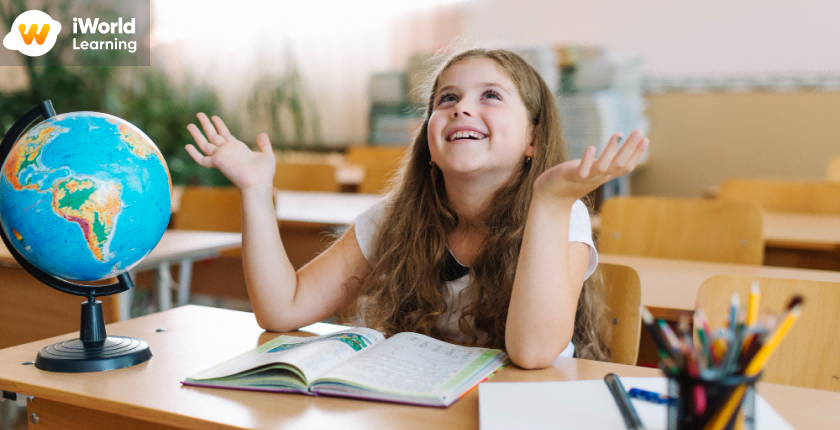
The beauty of this approach lies in its simplicity. You don't need expensive materials or a classroom setting—just a picture and a willingness to speak. Whether you are preparing for the IELTS examination, improving workplace communication, or simply building confidence, picture-based conversation offers a proven pathway to progress. Let's explore how you can make this method work for your English learning journey.
Why Picture-Based Speaking Works for Fluency
Picture discussion oral practice works because it bypasses the mental translation hurdle that often slows down learners. When you describe what you see, your brain connects directly to visual cues rather than translating from your native language. This process encourages natural language production, helping you speak more quickly and with greater accuracy.
Additionally, pictures provide context, which supports comprehension and vocabulary recall. For instance, an image of a bustling hawker centre gives you immediate talking points—the types of food, the crowd, the atmosphere—without requiring you to generate ideas from scratch. This scaffolding effect allows learners to focus on pronunciation, sentence structure, and fluency instead of struggling with what to say next.
In Singapore, where English is widely spoken but diverse accents and dialects exist, picture discussion can also sharpen listening skills in group settings. Listening to how others interpret the same image exposes you to different vocabulary choices and expressions, enriching your own language bank. It's collaborative learning at its most engaging.
How to Structure a Picture Discussion Session
To maximise the benefit of picture discussion oral practice, having a structured approach makes a significant difference. Start by choosing a picture that is not too simple but also not overwhelming—a scene with five to eight visible elements works well. You might select images from local contexts, such as a public housing estate or a business meeting, to keep the content relevant to your daily life.
Begin your session by taking 30 seconds to observe the picture silently. This observation phase allows your brain to process visual information before you start speaking. When you do begin, aim for one minute of continuous speech, noting the main elements in the image. From there, progress to describing actions, relationships between people, and the mood of the scene.
For intermediate and advanced learners, move beyond description into interpretation and prediction. Discuss what happened before the scene or what might happen next. Add personal opinions about the situation and connect it to similar experiences you have had. This mirrors the cognitive demands of real conversations, where you need to evaluate, compare, and analyse alongside describing.
Where to Practise Picture Discussion in Singapore
Singapore offers numerous opportunities for picture discussion oral practice, whether you prefer self-study or guided learning with peers. Community centres frequently organise English conversation groups where participants discuss photographs and illustrations in a relaxed environment. These sessions are often free or low-cost, making them accessible to learners at all levels.
For those seeking more structured guidance, language schools across the island incorporate visual materials into their oral practice modules. Some language schools in Singapore, such as iWorld Learning, offer small-group English courses designed to improve communication skills through interactive techniques including picture-based discussions. These classes provide the advantage of professional feedback while allowing you to learn alongside others at a similar proficiency level.
Online platforms have also expanded access to visual conversation practice. Websites like OER Commons offer free image libraries with discussion prompts tailored to different topics. If you prefer a self-directed approach, pair up with a language partner and take turns selecting images to discuss, mimicking the structure of a classroom activity without leaving your home.
Common Challenges and How to Overcome Them
Many learners find picture discussion oral practice frustrating at first because they worry about describing images "incorrectly." The truth is that there is no single right answer—every interpretation is valid as long as you communicate clearly. This freedom actually works to your advantage, reducing the anxiety often associated with speaking tests.
Another common hurdle is running out of vocabulary mid-description. This is where preparation comes in. Before your session, think about categories of words you might need, such as adjectives for colours, sizes, and moods, or action verbs describing movement. Keep a notebook of useful vocabulary based on images you have practised, and review it periodically.
Struggling with pronunciation is also frequent, especially for learners whose first language has different sound patterns. Recording yourself during picture discussion sessions can be eye-opening; you will quickly identify recurring errors and track your improvement over time. Singapore's multicultural environment offers plenty of informal opportunities to practise with colleagues, neighbours, or friends, so take advantage of these natural interactions.
Practical Exercises to Strengthen Your Skills
The most effective picture discussion oral practice incorporates varied exercises that target different aspects of spoken English. One powerful method is the "describe and defend" exercise, where you not only describe the image but also justify a particular interpretation. For example, if you see a picture of people waiting in line, argue whether they look patient or frustrated, and why you think so.
Another useful activity is timed descriptions, where you progressively reduce your preparation time. Start with 30 seconds of planning, then move to 15 seconds, and finally try responding immediately after seeing the picture. This builds the quick-thinking skills necessary for job interviews or presentations, where you often need to respond without extensive planning.
For deeper language development, try the "story chain" exercise in a group setting. Each participant adds one sentence to build a narrative based on the image, passing the turn to the next person. This practice encourages listening, turn-taking, and spontaneous language use, all of which are essential for natural conversation flow.
Making the Most of Oral Practice Beyond the Classroom
While formal classes provide excellent structure, extending picture discussion oral practice into your daily routine accelerates improvement. You can easily incorporate this technique during breaks at work or while commuting by using digital images from news websites or social media. Even five minutes a day of speaking about a picture can compound into significant progress over time.
Consider joining or forming an English-speaking club with fellow learners who share your goals. Platforms like Meetup sometimes feature language exchange groups in Singapore where members bring images to discuss, creating a supportive community around oral practice. These informal settings often reduce performance pressure, allowing you to experiment with new vocabulary without fear of making mistakes.
Reading and listening also reinforce what you practise. After describing a picture, read a news article about a similar topic and notice how professional writers describe scenes and events. Compare their approach with yours, identifying phrases or expressions that could enhance your own descriptions. This integrated learning strategy ensures that your oral practice connects with broader language development goals.
FAQ
What is picture discussion oral practice?
Picture discussion oral practice involves using images as prompts for conversation or spoken descriptions. It is a method that helps learners develop fluency, vocabulary, and confidence by discussing visual content in a structured or casual manner.
Is picture discussion only for beginner learners?
No, picture discussion suits all proficiency levels. Beginners benefit from basic description, while intermediate and advanced learners can incorporate analysis, inference, and storytelling to stretch their language skills further.
Where can I find images for oral practice?
You can find images online through platforms like Unsplash, Pixabay, or educational websites like OER Commons. Newspapers, magazines, and even your own photographs can also serve as practice materials.
Can I practise picture discussion alone?
Yes, self-practice is effective when you record yourself describing an image and then review the recording. You can also write down your description first, then speak it aloud to identify areas where spoken language differs from written language.
Related Articles
Recommended Reading
Popular Articles
-
English Teacher Salary in Singapore: A Complete 2026 Guide
-
The Ultimate english learning apps Bank: Categorized & Explained
-
British Council IELTS in 2026: What Changed, What It Costs, and How to Prepare
-
IELTS Price in 2026: What Test-Takers Actually Pay (And How to Spend Less)
-
The Complete 2026 Blueprint for O Level English Oral Topics 2026 Format & Strategy
-
IELTS Test Format, Scoring, and Key Changes for 2026 Explained
-
IELTS Exam Fee 2026: Complete Guide to Costs, Payment & Savings
-
PSLE 2026: Complete Guide to Exam Dates, Scoring System, and Preparation Strategies
-
IELTS Test Dates 2026: Monthly Schedule, Booking Strategy, and Prep Timeline
-
The Top 10 Tuition Centres in Singapore (2025) – A Curated Review for Parents & Students
latest articles
-
Story Mountains for Primary Writing: A Practical Guide
-
How to Use 'Indicted' Accurately in English
-
Plan TOEFL iBT Practice Around the Full Test Cost
-
Review Small-Group PSLE Oral Practice with Useful Evidence
-
PSLE English Format Review: Fix Repeated Preparation Mistakes
-
How to Ask a Client for a Testimonial: Email
-
Review TOEFL Practice Results Without Chasing Scores
-
How to Read Spanish Dictionary Definitions and Examples
-
When an Intensive English Course Is the Right Choice
-
A Reliable Planning Method for IELTS General Training Letters