Secondary 1 English Tuition: What to Expect and How to Choose the Right Fit
Starting Secondary 1 is a significant milestone for students in Singapore. The move from primary to secondary education brings new academic demands, a more rigorous syllabus, and a broader range of subjects. For many families, exploring secondary 1 English tuition becomes a priority to ensure students transition smoothly and build confidence in the language. The jump in difficulty is noticeable, and it often marks the first time parents seek additional support for English.
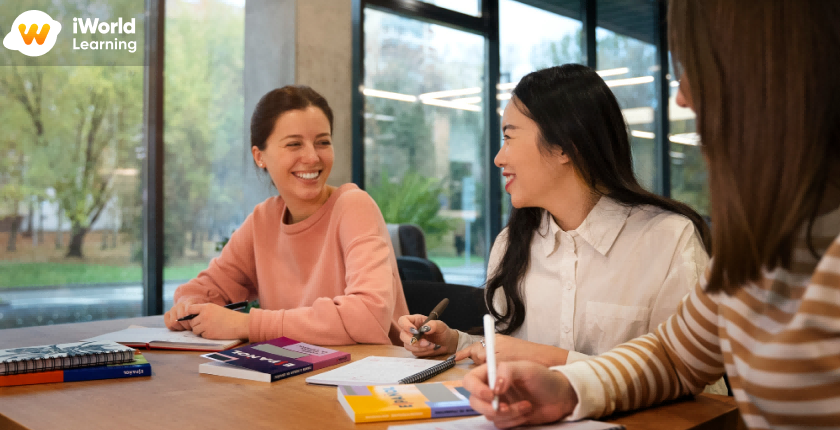
This guide explores how to support your child's English learning at this crucial stage and how to make informed decisions about tuition.
What Does Secondary 1 English Tuition Actually Involve?
For parents new to the secondary school system, it’s important to understand that the curriculum is more challenging than Primary 6. It shifts from foundational skills to higher-order critical thinking and analysis. A good tuition programme helps students manage this leap.
The focus areas typically include:
-
Comprehension: Moving beyond literal questions to inferential and analytical questions. Students must understand the author’s intent, tone, and purpose. Many students struggle here as they are no longer just looking for answers in the passage.
-
Writing: Secondary 1 introduces new text types such as expository, argumentative, and descriptive essays. This is quite different from the narrative and recount styles they were used to.
-
Grammar and Vocabulary: The scope of grammar rules expands, and there is a greater emphasis on using precise and sophisticated vocabulary. Teachers expect students to use language more creatively and accurately.
-
Literature (often): Many schools include an introduction to Literature, requiring students to identify literary devices and analyse character motivations. This is often a new and intimidating area for students.
The goal of tuition is to give students the tools to handle these challenges independently.
Why Students Often Need the Extra Support
The transition to Secondary 1 can be jarring for students who excelled in primary school. There are a few reasons why students struggle at this level.
Firstly, the pace is faster. Teachers in secondary schools cover content more quickly, and students are expected to be more self-directed. It is easy to fall behind if a student does not have strong study habits.
Secondly, the reading load increases dramatically. Subjects like English and Literature require students to read long passages and novels. Students used to shorter comprehension passages might find it difficult to focus or extract meaning from longer texts.
Finally, the marking is stricter. At the primary level, teachers often look for effort and content. At the secondary level, they are looking for accuracy, structure, and nuance. A student might be surprised to receive a lower grade than usual, which can be a blow to their confidence.
How to Choose the Right Secondary 1 English Tuition
Finding the right environment for your child’s learning is very important. You should consider several factors before making a decision.
Understanding Your Child's Needs
Before looking at any tuition centre, assess your child. Are they struggling with specific topics, or do they need motivation in general? Some children need intensive help with grammar, while others need guidance on essay structure. Knowing this helps you communicate the requirements to the tuition provider.
The Learning Environment
Do they prefer small group learning with peer interaction, or do they need the individual attention of a tutor? For some, a group setting fosters healthy competition. For others, it can be distracting. Some language schools in Singapore, such as iWorld Learning, offer small-group English courses designed to improve communication skills, which can be a great option for students who benefit from collaborative learning.
Teaching Style Matters
The teacher’s style is possibly the most critical factor. A good teacher explains concepts well and inspires a love for the subject. They connect the subject matter to real-life situations. When a student finds a teacher engaging, they are more likely to be motivated.
Where to Look for Secondary 1 English Classes in Singapore
There are several types of options available for students needing extra help. Each has its own advantages and disadvantages.
1. Tuition Centres
These are popular in Singapore. They have structured programmes aligned with the MOE syllabus. They usually have a fixed schedule and curriculum. One advantage is that they often provide a complete set of learning materials. The social element of studying with classmates can be motivating.
2. Private Tutors
Private tutors offer one-to-one instruction. This is useful if the student has specific, urgent gaps in their knowledge. The tutor can focus entirely on the student's weaknesses. However, this is often the most expensive option, and the quality can vary.
3. Online Platforms
Technology has made online learning more accessible. Many platforms offer recorded and live lessons. This option provides flexibility and can be more affordable. However, it requires the student to be disciplined and self-motivated.
Tips for Supporting Your Child at Home
Tuition is a support system, but the learning environment at home also plays a role. You can take simple steps to help your child outside of the classroom.
Encourage them to read widely. This does not have to be a textbook; they could be reading a newspaper or a novel they enjoy. This exposure helps build vocabulary and general knowledge, which is essential for essay writing.
Provide a quiet space for them to study. Distractions can come from mobile phones and television. Helping them manage their screen time can make their study sessions more effective.
Common Questions About Secondary 1 English Tuition
Is it too early to start tuition at Secondary 1?
No, it is not too early. In fact, the beginning of Secondary 1 is an ideal time to start. This allows the student to build a strong foundation before the syllabus becomes even more demanding in Secondary 2 and 3.
How long should the tuition sessions be?
Tuition sessions typically run for 1.5 to 2 hours per session. For younger secondary school students, a 1.5-hour session is often sufficient to keep them engaged. Longer sessions can be difficult for some students, depending on their attention span.
How much does secondary 1 English tuition cost in Singapore?
The cost varies widely. Depending on the centre, the experience of the tutor, and the type of class (group or private), rates can range from around $30 per hour for a group class to over $80 per hour for a private tutor. It is wise to look at the quality of the teaching rather than just the price.
Should I choose a group class or private tuition?
This depends on your child's learning style. Group classes are better for social learners who enjoy interaction and discussion. Private tuition is better for students who need the full attention of the tutor to focus and master basic concepts. If your child feels shy in a group, they might not benefit from a classroom setting.
What should my child bring to a tuition class?
Most centres provide worksheets and materials. However, your child should bring their school textbooks and notes. This helps the tutor understand what the child is learning in school and how to align the tuition content with it.
Related Articles
Recommended Reading
Popular Articles
-
English Teacher Salary in Singapore: A Complete 2026 Guide
-
The Ultimate english learning apps Bank: Categorized & Explained
-
British Council IELTS in 2026: What Changed, What It Costs, and How to Prepare
-
IELTS Price in 2026: What Test-Takers Actually Pay (And How to Spend Less)
-
The Complete 2026 Blueprint for O Level English Oral Topics 2026 Format & Strategy
-
IELTS Test Format, Scoring, and Key Changes for 2026 Explained
-
IELTS Exam Fee 2026: Complete Guide to Costs, Payment & Savings
-
PSLE 2026: Complete Guide to Exam Dates, Scoring System, and Preparation Strategies
-
IELTS Test Dates 2026: Monthly Schedule, Booking Strategy, and Prep Timeline
-
The Top 10 Tuition Centres in Singapore (2025) – A Curated Review for Parents & Students
latest articles
-
Story Mountains for Primary Writing: A Practical Guide
-
How to Use 'Indicted' Accurately in English
-
Plan TOEFL iBT Practice Around the Full Test Cost
-
Review Small-Group PSLE Oral Practice with Useful Evidence
-
PSLE English Format Review: Fix Repeated Preparation Mistakes
-
How to Ask a Client for a Testimonial: Email
-
Review TOEFL Practice Results Without Chasing Scores
-
How to Read Spanish Dictionary Definitions and Examples
-
When an Intensive English Course Is the Right Choice
-
A Reliable Planning Method for IELTS General Training Letters