How to Start English for Toddlers and Kids SG at Home and Beyond
Introduction
You want your child to grow up confident in English. But you are not sure where to start. Should you enrol them in a formal class? Can you teach them yourself? What actually works for young children in Singapore?
This article answers those questions. You will learn a simple step-by-step approach. No pressure. No unrealistic expectations. Just practical actions that fit into your family’s daily life.
Step 1 Understand Your Goal
Before looking for any programme, ask yourself one question. What exactly do you want your child to achieve?
For toddlers aged 18 months to 3 years, the goal is usually exposure. You want them to hear English sounds. You want them to learn simple words like “apple”, “cat”, or “happy”. You do not need them to read or write yet.
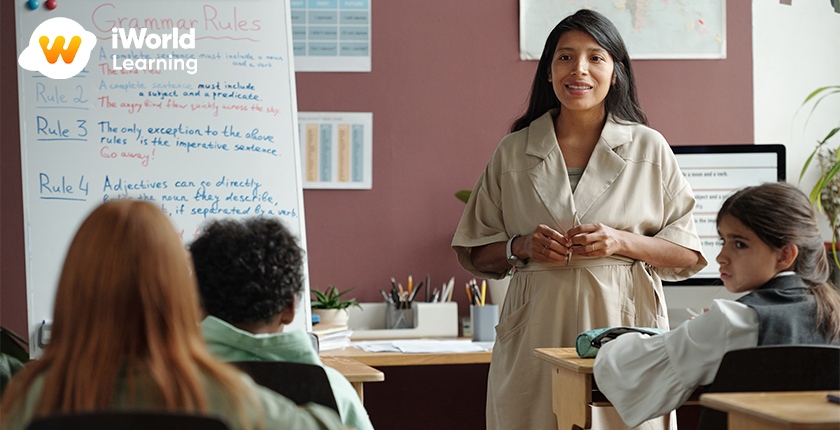
For kids aged 4 to 6, the goal often shifts. You might want them to recognise letters. Maybe you want them to start blending sounds. Or perhaps you simply want them to feel comfortable speaking English in social settings.
Write down your main goal. Keep it simple. A realistic goal sounds like “My child will learn five new English words each week” or “My child will sit through a 20-minute English story without losing focus”.
Many parents skip this step. Then they feel lost when comparing classes. Knowing your goal saves time and money.
Step 2 Explore Available Courses and Activities
Once you know your goal, look at what is available in Singapore. There are more options than you might expect.
Home-based learningThis is the most affordable option. You do not need special materials. Read English picture books. Sing nursery rhymes. Name objects around the house. “This is a spoon. Can you say spoon?”
The advantage is flexibility. You learn at your child’s pace. The challenge is consistency. Life gets busy. It is easy to skip a day, then a week.
Playgroups with English exposureMany neighbourhood playgroups use English as the main language. These are usually 1.5 to 2 hours long. Children play, do crafts, and listen to stories. No pressure to produce perfect sentences. Just natural exposure.
Enrichment centresThese are more structured. Programmes like phonics classes or reading readiness courses fall into this category. Most run once a week for one hour. They suit parents who want a regular schedule and professional guidance.
Some language schools offer dedicated English courses for young learners. For example, iWorld Learning provides small-group English classes designed for toddlers and kids. Their approach balances structured learning with play-based activities.
One-to-one tutoringA private tutor comes to your home or meets you online. This works well for older kids who need individual attention. For toddlers, group settings often work better because social interaction is part of learning.
Community centres and librariesDo not overlook these. The National Library Board runs free storytelling sessions for young children. Some community centres offer holiday English workshops. These are low-cost ways to test if your child enjoys group learning.
Step 3 Compare Options Based on Your Child’s Needs
Now you have a list of possible options. How do you choose? Use these four questions.
Does the programme match my child’s age?A programme designed for 4-year-olds will not work for a 2-year-old. Check the recommended age range carefully. If in doubt, ask the centre for a trial session.
Is there a trial class?Always try before you commit. A trial class costs little or nothing. Watch your child’s face. Do they look interested? Are they participating? Or do they hide behind your leg the whole time?
What is the teacher like?Young children learn from people they like. A teacher who smiles, uses a warm voice, and gets down to the child’s eye level is a good sign. A teacher who seems rushed or strict may not be right for a toddler.
How far is the location?This matters more than you think. A 45-minute class that takes 90 minutes to travel to will exhaust your child. Exhausted children do not learn well. Choose somewhere within 15 to 20 minutes from your home or your child’s preschool.
Making the Final Decision
You do not need to pick only one option. Many families combine approaches.
For example, you might read English stories at home every night. Then you take your child to a weekly playgroup for social exposure. When your child turns 5, you add a phonics class twice a week.
Start small. Try one new activity at a time. Give it at least one month before deciding if it works.
One more thing. Do not compare your child too much to other children. Some kids speak in full sentences at 2 years old. Others take longer. That is normal. Focus on your child’s own progress, not someone else’s.
What to Avoid
Overloading your child’s scheduleA toddler does not need five different enrichment classes. That leads to burnout for both of you. One or two English-focused activities per week is plenty.
Choosing pressure over playIf a class makes your child cry or resist going, something is wrong. Young children learn best when they feel safe and happy. Learning should not feel like punishment.
Expecting instant resultsLanguage development happens slowly. Your child might not show obvious improvement for weeks or months. Look for small wins. A new word. A song they try to sing. A book they ask for again.
FAQ
Can I teach English to my toddler without any classes?
Yes, absolutely. Reading aloud, singing songs, and talking to your child in English are very effective. Classes can help with social exposure and structure, but they are not strictly necessary for toddlers.
How many hours per week should my child spend on English learning?
For toddlers, 15 to 30 minutes of focused interaction daily is enough. For kids aged 4 to 6, one to two hours per week in a class plus daily home exposure works well. Quality matters more than quantity.
What is the difference between a playgroup and an enrichment centre?
Playgroups focus on general social development with English as the medium of instruction. Enrichment centres focus specifically on teaching English skills like phonics, vocabulary, or reading. Playgroups suit younger children better.
Is it confusing for a child to learn English and another language at the same time?
Not usually. Young children are naturally good at learning multiple languages. The key is consistent exposure to each language in different contexts. Many Singaporean children grow up bilingual or trilingual without confusion.
相关文章
Recommended Reading
Popular Articles
-
English Teacher Salary in Singapore: A Complete 2026 Guide
-
The Ultimate english learning apps Bank: Categorized & Explained
-
British Council IELTS in 2026: What Changed, What It Costs, and How to Prepare
-
IELTS Price in 2026: What Test-Takers Actually Pay (And How to Spend Less)
-
The Complete 2026 Blueprint for O Level English Oral Topics 2026 Format & Strategy
-
IELTS Test Format, Scoring, and Key Changes for 2026 Explained
-
IELTS Exam Fee 2026: Complete Guide to Costs, Payment & Savings
-
PSLE 2026: Complete Guide to Exam Dates, Scoring System, and Preparation Strategies
-
IELTS Test Dates 2026: Monthly Schedule, Booking Strategy, and Prep Timeline
-
The Top 10 Tuition Centres in Singapore (2025) – A Curated Review for Parents & Students
latest articles
-
Internship Request Email: Student's Template
-
Counter-Offer From Your Employer: Responding
-
Award Nomination Email: Nominate a Peer
-
How to Pronounce 'Frites' in English and French Contexts
-
Lucidity: Meaning, Context and Natural Examples
-
Salvation: Meaning in Religious and Everyday Contexts
-
Mitigate Meaning in English: Usage, Grammar and Examples
-
Exit Interview Email: HR Templates
-
Empathic Synonyms: Differences in Meaning and Tone
-
Spelling Practice at Home: What Works