What Does the English Syllabus in Singapore Cover? A Complete Guide for Parents
A comprehensive guide to the English syllabus in Singapore for primary and secondary levels. Learn key skills, exam formats, and how iWorld Learning helps students excel.
Why Understanding the English Syllabus Matters
The English syllabus in Singapore is one of the most rigorous language curricula in the world. Whether your child is just entering Primary 1 or preparing for the O-Level examinations, understanding what the syllabus entails can make a significant difference in their academic journey.
At iWorld Learning, we have guided hundreds of students through every stage of the Singapore English syllabus. Our experienced educators know exactly what examiners look for and how to help learners build the confidence and competence they need to succeed.
This guide breaks down the key components of the English syllabus across primary and secondary levels, highlights recent curriculum changes, and offers practical advice for parents who want to support their children effectively.
Primary School English Syllabus: Building Strong Foundations
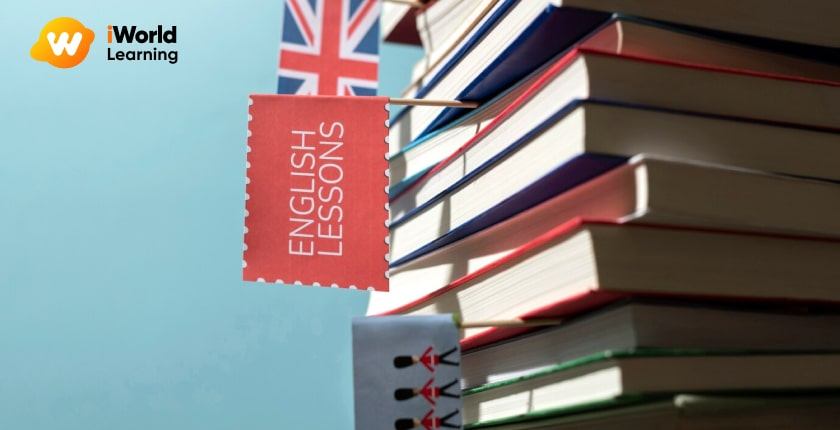
The primary English syllabus, based on the English Language (Primary) Syllabus 2020, focuses on developing four core skills:
- Listening — understanding spoken English in everyday and academic contexts
- Speaking — expressing ideas clearly and confidently through oral communication
- Reading — comprehending a variety of texts, from narratives to informational passages
- Writing — producing coherent, grammatically correct pieces for different purposes and audiences
Key Components at the Primary Level
Students are introduced to essential building blocks including spelling rules, grammar conventions, punctuation, and vocabulary development. These fundamentals form the backbone of everything that follows in their English education.
PSLE English Examination Format
The Primary School Leaving Examination (PSLE) is the first major milestone. The English paper consists of several sections:
| Component | Description | Weightage |
|---|---|---|
| Paper 1 (Writing) | Situational Writing & Continuous Writing | 27.5% |
| Paper 2 (Language Use & Comprehension) | Grammar, vocabulary, comprehension | 47.5% |
| Paper 3 (Listening Comprehension) | Audio-based questions | 10% |
| Paper 4 (Oral Communication) | Reading Aloud & Stimulus-Based Conversation | 15% |
Recent Changes to Note
Parents should be aware of several updates to the PSLE English format:
- Situational Writing now requires students to infuse their own ideas rather than simply reproducing given information
- Stimulus-Based Conversation (SBC) uses real-life photo stimuli and preambles to set context
- Visual Text Comprehension now includes both a visual-text hybrid and a text-only passage
- Primary 1 students are assessed through non-weighted assessments rather than formal examinations
At iWorld Learning, our primary English programmes are specifically designed to address these changes, ensuring that students are well-prepared for every component of the PSLE English syllabus.
Secondary School English Syllabus: Developing Critical Thinkers
The secondary English syllabus builds on the primary foundation and aims to develop students into discerning readers, skilled writers, and confident communicators. The curriculum challenges learners to engage with increasingly complex texts and to think critically about the world around them.
Four Pillars of the Secondary English Syllabus
- Reading — understanding and critically interpreting diverse texts, including fiction and non-fiction
- Writing — producing coherent writing across narrative, descriptive, argumentative, and discursive formats
- Listening — comprehending spoken English in various contexts and registers
- Oral Communication — developing presentation, discussion, and spontaneous response skills
GCE O-Level English Examination Structure
The O-Level English examination is a high-stakes assessment that tests all four language skills comprehensively:
| Paper | Component | Marks | Weightage | Duration |
|---|---|---|---|---|
| Paper 1 | Writing (Editing + Situational + Continuous) | 70 | 35% | 1h 50min |
| Paper 2 | Comprehension (Visual + Narrative + Non-Narrative + Summary) | 50 | 35% | 1h 50min |
| Paper 3 | Listening Comprehension | 30 | 10% | ~45min |
| Paper 4 | Oral Communication (Planned Response + Spoken Interaction) | 30 | 20% | ~20min |
Full Subject-Based Banding (Full SBB)
Starting from the 2024 Secondary 1 cohort, Singapore is phasing out the traditional academic streams (Express, Normal Academic, Normal Technical). Students are now grouped into Posting Groups 1, 2, and 3, with greater flexibility to take subjects at different levels based on their aptitude and progress.
This change means that the English syllabus now needs to cater to a wider range of learners within the same classroom. At iWorld Learning, our secondary English tutors are well-versed in supporting students across all posting groups, tailoring instruction to each learner's needs while maintaining high academic standards.
A-Level General Paper: The Next Challenge
For students progressing to junior college, the A-Level General Paper (GP) represents the culmination of their English language education. Recent changes to the GP syllabus include:
- Paper 2 now requires analysis of three passages (up from two), with greater emphasis on comparative questions
- The second passage specifically tests summarisation skills
- Students are expected to engage with global issues and articulate well-reasoned arguments
iWorld Learning offers dedicated GP preparation programmes that help students develop the critical thinking and essay-writing skills essential for success at this advanced level.
How Parents Can Support Their Children
Understanding the English syllabus is the first step. Here are practical ways parents can help:
- Encourage regular reading across a variety of genres — fiction, news articles, opinion pieces
- Practise oral communication through family discussions about current events
- Review writing together to help your child identify areas for improvement in grammar and expression
- Use past-year papers to familiarise your child with exam formats and question types
- Seek professional support when needed — targeted tuition can address specific gaps in understanding
Why Choose iWorld Learning for English Syllabus Preparation?
At iWorld Learning, we believe that every student can excel in English when given the right guidance and support. Our approach to the English syllabus is comprehensive and student-centred:
- Aligned with the latest MOE syllabus — our materials and teaching methods reflect current curriculum requirements
- Small class sizes — ensuring personalised attention for every learner
- Experienced educators — our teachers have deep expertise in the Singapore English syllabus across all levels
- Proven track record — our students consistently achieve strong results in PSLE, O-Level, and A-Level English examinations
Whether your child needs help with foundational grammar, essay writing techniques, or oral communication skills, iWorld Learning has a programme designed to meet their needs. We walk alongside our students at every stage of their English learning journey, building not just exam readiness but a genuine love for the language.
Conclusion
The English syllabus in Singapore is carefully designed to develop well-rounded communicators who can thrive in both academic and real-world settings. From the foundational skills taught at the primary level to the critical thinking demanded at the O-Level and A-Level stages, each phase builds purposefully on the last.
By understanding what the syllabus covers and how assessments are structured, parents can play an active role in their child's English education. And with the right support from institutions like iWorld Learning, students can approach every examination with confidence and competence.
Ready to give your child the advantage they deserve? Contact iWorld Learning today and discover how our expert English programmes can help your child master the English syllabus and achieve their academic goals.
相关文章
Recommended Reading
Popular Articles
-
English Teacher Salary in Singapore: A Complete 2026 Guide
-
The Ultimate english learning apps Bank: Categorized & Explained
-
British Council IELTS in 2026: What Changed, What It Costs, and How to Prepare
-
IELTS Price in 2026: What Test-Takers Actually Pay (And How to Spend Less)
-
The Complete 2026 Blueprint for O Level English Oral Topics 2026 Format & Strategy
-
IELTS Test Format, Scoring, and Key Changes for 2026 Explained
-
IELTS Exam Fee 2026: Complete Guide to Costs, Payment & Savings
-
PSLE 2026: Complete Guide to Exam Dates, Scoring System, and Preparation Strategies
-
IELTS Test Dates 2026: Monthly Schedule, Booking Strategy, and Prep Timeline
-
The Top 10 Tuition Centres in Singapore (2025) – A Curated Review for Parents & Students
latest articles
-
Internship Request Email: Student's Template
-
Counter-Offer From Your Employer: Responding
-
Award Nomination Email: Nominate a Peer
-
How to Pronounce 'Frites' in English and French Contexts
-
Lucidity: Meaning, Context and Natural Examples
-
Salvation: Meaning in Religious and Everyday Contexts
-
Mitigate Meaning in English: Usage, Grammar and Examples
-
Exit Interview Email: HR Templates
-
Empathic Synonyms: Differences in Meaning and Tone
-
Spelling Practice at Home: What Works