Which IELTS Exam Preparation Resources Actually Work in Singapore
You have decided to take the IELTS exam, and now you are staring at a shelf full of practice books, online courses, and mobile apps. It is hard to tell which ones are worth your time.
The truth is that effective IELTS exam preparation and resources depend on your specific weaknesses and how much time you can commit each week. What works for your friend may not work for you.
A Common Situation Many Learners Face
Imagine this scenario. You are a working professional in Singapore. You have been out of school for several years. You need an IELTS score of 6.5 for permanent residence application or university admission.
You buy a thick practice book and promise yourself you will study every evening. But after a long day at work, you are too tired to focus. You skip a few days, then a few weeks. The exam date is approaching, and you panic.
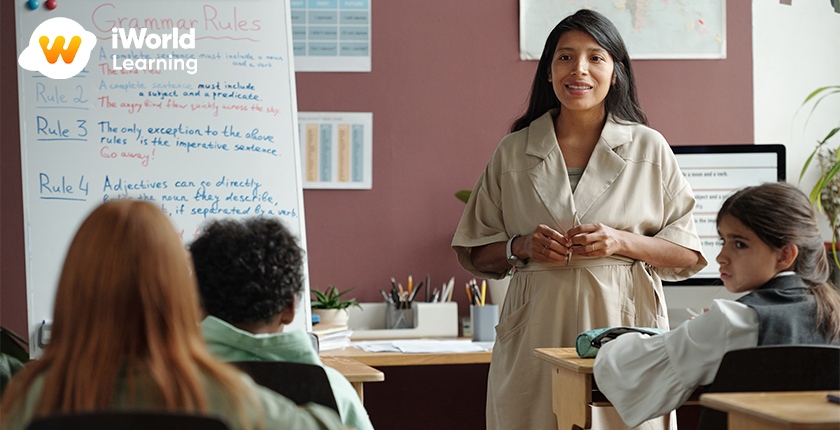
This situation is incredibly common among adult learners in Singapore. The problem is not a lack of motivation. The problem is a lack of a structured plan that fits a busy lifestyle.
Why This Problem Happens
Many candidates approach IELTS preparation the same way they approached school exams. They think that buying materials and reading through them is enough.
But IELTS is a skills-based test. It tests your ability to listen, read, write, and speak in real-world academic or general contexts. Passive reading does not improve these skills.
Another issue is unrealistic timelines. Some learners book their exam too early, before they have built foundational skills. Others delay booking the exam indefinitely, which removes any urgency to study.
Many Singapore candidates also underestimate the speaking and writing sections. These are productive skills that require active practice and feedback. You cannot improve your writing just by reading model answers. You need someone to point out your grammatical errors and structural issues.
Possible Solutions That Actually Work
The first solution is to take a diagnostic test. You can find free practice tests on the British Council or IDP websites. Complete one full test under timed conditions. This will show you your current band score and highlight your weakest areas.
Once you know your weak areas, you can choose targeted resources. For listening, use the BBC Learning English app and the official Cambridge IELTS practice books. For reading, practice skimming and scanning techniques with academic articles from The Economist or National Geographic.
For writing and speaking, you need feedback. This is where many self-study learners struggle. One effective approach is to join a structured course that offers teacher feedback on your writing tasks and speaking mock tests.
Some language schools in Singapore, such as iWorld Learning, offer small-group IELTS courses that include regular writing corrections and speaking practice sessions. This can be more effective than studying alone because you get immediate, personalised feedback.
Another solution is to create a realistic study schedule. Instead of promising to study two hours every night, start with 30 minutes each weekday. Consistency matters more than marathon sessions. Use weekends for full-length practice tests.
You can also form a study group with other IELTS candidates in Singapore. Meet once a week to practice speaking and review each other's writing. This adds accountability and makes practice more engaging.
Finding Quality IELTS Preparation in Singapore
Singapore has many options for IELTS preparation, ranging from self-study materials to intensive courses.
Public libraries in Singapore, such as the National Library Board (NLB), have a good collection of IELTS preparation books. You can borrow them for free. The NLB also offers online resources that include practice tests.
For classroom-based learning, many language schools in Singapore offer IELTS preparation courses. These courses usually run for 8 to 12 weeks and include practice tests, skill-building sessions, and feedback on writing and speaking.
Before you enrol, ask the school about the class size, the qualifications of the teachers, and whether they offer mock tests under exam conditions. A small class size of 6 to 10 students is ideal for speaking practice.
Online preparation options are also popular. Websites like Magoosh, IELTS Liz, and E2 Test Prep offer structured video lessons and practice questions. These are flexible and often more affordable than classroom courses.
However, online-only preparation has a limitation. You may not get enough speaking practice or writing feedback. If you choose an online route, consider pairing it with a speaking partner or a private tutor for the productive skills.
How to Choose Between Self-Study and Courses
Self-study works best for learners who are already at a Band 6.0 or above and only need to improve specific skills. You must be disciplined and capable of evaluating your own progress.
If you are at a Band 5.0 or below, or if you struggle with writing and speaking, a course with a teacher is usually a better investment. The guidance and feedback will save you time and frustration.
Also consider your learning style. Some people thrive in a classroom environment with peers and a teacher. Others prefer to study at their own pace. There is no right or wrong answer, but being honest about your preferences will help you choose.
Budget is another factor. Classroom courses in Singapore can cost anywhere from SGD 500 to over SGD 2,000 depending on the duration and school reputation. Self-study materials and online courses are generally cheaper but require more self-discipline.
Final Practical Tips for Success
Start your IELTS exam preparation and resources gathering at least three months before your exam date. This gives you enough time to build skills and take multiple practice tests.
Take at least four full-length timed practice tests before the real exam. This helps you build stamina and get used to the timing pressure.
On the day before the exam, do not study. Rest, eat well, and prepare your documents. Arrive at the test centre early to avoid unnecessary stress.
Remember that the IELTS exam is not just about English proficiency. It is also about test-taking strategies. Learn how to manage your time in the reading section and how to structure your essays effectively.
Common Questions About IELTS Exam Preparation and Resources
How many months should I prepare for the IELTS exam?
Most experts recommend at least two to three months of consistent preparation. If you are starting at a lower English level, you may need four to six months. The key is to study regularly and take practice tests to track your progress.
Which IELTS preparation books are best for self-study?
The Cambridge IELTS series (books 14 to 18) is the most reliable resource because it uses real past exam papers. The Official Cambridge Guide to IELTS is also excellent for overall skill development. For grammar and vocabulary, consider using Raymond Murphy's English Grammar in Use.
Can I prepare for IELTS in Singapore without attending a course?
Yes, you can prepare on your own using books, online materials, and free practice tests. However, many candidates find that they need feedback on their writing and speaking to achieve their target score. Consider hiring a tutor or joining a speaking practice group.
What is the most difficult part of the IELTS exam for Singaporean candidates?
Many Singaporean candidates find the writing and speaking sections most challenging. While Singaporeans often have strong reading and listening skills due to English-medium education, the writing tasks require a specific academic style and structure that may be unfamiliar. Speaking requires fluency and confidence, which can be nerve-wracking under exam conditions.
相关文章
Recommended Reading
Popular Articles
-
English Teacher Salary in Singapore: A Complete 2026 Guide
-
The Ultimate english learning apps Bank: Categorized & Explained
-
British Council IELTS in 2026: What Changed, What It Costs, and How to Prepare
-
IELTS Price in 2026: What Test-Takers Actually Pay (And How to Spend Less)
-
The Complete 2026 Blueprint for O Level English Oral Topics 2026 Format & Strategy
-
IELTS Test Format, Scoring, and Key Changes for 2026 Explained
-
IELTS Exam Fee 2026: Complete Guide to Costs, Payment & Savings
-
PSLE 2026: Complete Guide to Exam Dates, Scoring System, and Preparation Strategies
-
IELTS Test Dates 2026: Monthly Schedule, Booking Strategy, and Prep Timeline
-
The Top 10 Tuition Centres in Singapore (2025) – A Curated Review for Parents & Students
latest articles
-
Synonyms for 'Diverse': Describe Difference Precisely
-
Choosing an English Camp for Primary School Children in Singapore
-
Alternatives to 'Empathetically': Meaning and Tone Differences
-
Conflate: Meaning, Usage and a Progress Check
-
When to Take the WPLN Assessment in Singapore
-
Synonyms for 'Think': Match the Verb to the Mental Action
-
English Communication Courses for Working Adults in Singapore
-
WPLN Writing Test Length: Check the Current Candidate Guide
-
How to Pronounce 'Philemon' in English
-
Why 'Colonel' Is Pronounced Like 'Kernel'