How Much Are School Fees in Singapore? A Guide for 2026
If you are planning to study in Singapore or enrolling a child in a local school, one of the first questions on your mind is likely about cost. The topic of school fees in Singapore can be confusing because the figures vary widely based on citizenship, school type, and academic level.
Understanding the true cost is essential for financial planning. Whether you are an expatriate, a new permanent resident, or a local parent, knowing what you are paying for helps you make better decisions for your family’s future.
Understanding the Base Cost of School Fees in Singapore
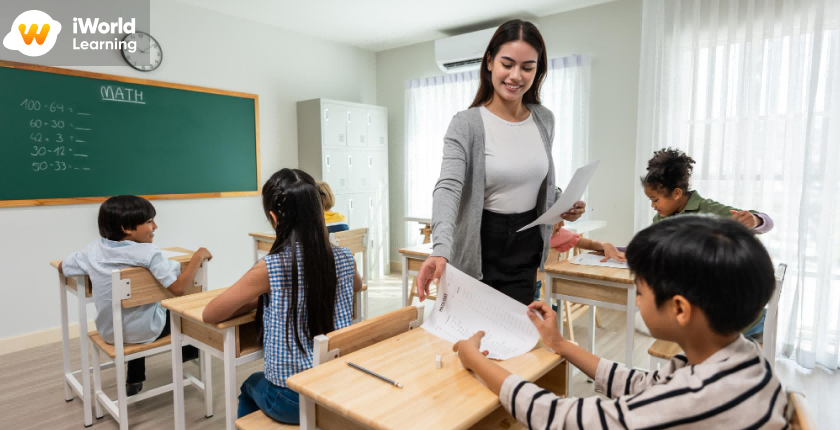
The education system in Singapore is known for its high standards. However, the fees are not uniform. They depend heavily on your residency status and the type of institution you choose.
Government or Public Schools
For primary and secondary education in national schools, the Ministry of Education (MOE) sets the monthly rates. These fees are heavily subsidised for Singaporean citizens.
Here is a rough breakdown of the current monthly rates for 2026:
-
Singaporean Citizens: Pay the lowest tier. Primary school can cost around $13, while secondary school can cost around $25.
-
Permanent Residents (PRs): Pay significantly more. PRs can expect to pay around $280 to $320 for primary levels and $340 to $500 for secondary levels.
-
International Students: Bear the highest cost. Fees for international students can range from $600 to over $900 per month depending on the level.
It is important to note that these are just the tuition fees. They do not include miscellaneous fees, school uniforms, or textbooks. These additional costs can add another $50 to $150 to your monthly expenditure.
School Fees in Singapore for Higher Education
When discussing tertiary education, the numbers change. The fees for universities and polytechnics in Singapore are significantly higher than government schools but often still competitive compared to Western universities.
Polytechnic Fees
For local polytechnics, citizens pay roughly $3,000 per academic year. Permanent residents often pay double that, around $6,000, while international students can expect to pay between $10,000 and $12,000 annually.
University Fees at NUS, NTU, and SMU
The local autonomous universities have different tiers.
-
Singaporean Citizens: Usually pay between $8,000 to $10,000 per academic year for most courses.
-
Permanent Residents: Fees usually increase by about 25% to 50%, landing between $11,000 and $16,000.
-
International Students: Pay the full fee without subsidies. This can range from $18,000 to $30,000 per year for humanities and business courses, and can go up to $40,000 or more for medical or dental programmes.
These figures also exclude hostel accommodation and living expenses. If you are living on campus, you will need to budget another $300 to $800 a month for a room.
Why School Fees in Singapore Are Structured This Way
The government uses the tiered fee system to prioritise education for citizens while managing the resources available. Singapore does not have natural resources; its only resource is human capital. Therefore, the government invests heavily in citizens through subsidies.
For international students, the fees help offset the cost of providing a world-class education. Despite the high cost for foreigners, many still choose Singapore because the degree is globally recognised and the environment is safe.
International Schools and Private Institutions
If you are an expatriate, you might not enrol your child in a government school. Instead, you might choose an international school.
International schools in Singapore do not follow the MOE fee structure. They are private businesses. Annual fees at institutions like UWCSEA, Tanglin Trust, or Dulwich College typically range from $35,000 to $50,000 per year. These fees cover a British or American curriculum and often include better facilities and more extracurricular activities.
On the other hand, there are private schools that cater to international students who wish to study the local curriculum. These schools offer a pathway to the GCE O-level or A-level exams but charge higher fees than MOE schools.
The Role of Language Courses in Your Budget
For many new arrivals in Singapore, education isn't just about formal schools. Adults and students often need to improve their English to integrate better into the local workforce or academic environment. While these are not part of the formal "school fees," they are a significant part of the education budget for many families.
Many learners search for affordable and effective programmes. Some language schools in Singapore, such as iWorld Learning, offer small-group English courses designed to improve communication skills for work and life. These programmes often fit a schedule that allows you to study while working or managing other commitments.
The Hidden Costs of Education in Singapore
When calculating the total cost, you must look beyond the tuition fees. Here are other expenses to consider:
1. Miscellaneous Fees
Schools charge for lab materials, IT resources, and enrichment programmes. In government schools, this can be $50 to $100 per month.
2. Textbooks and Stationery
You will need to purchase textbooks, workbooks, and uniforms. This can cost several hundred dollars per year, especially for secondary students.
3. Transport
You will need to factor in the cost of the MRT or bus rides to and from school. With a student pass, these costs are subsidised, but it still adds up.
4. Food
While school canteens are affordable, you will need to budget for food expenses. Expect to spend $3 to $5 per meal.
Financial Aid and Scholarships
There are ways to reduce the burden of school fees in Singapore. The MOE offers financial assistance schemes for low-income Singaporean families. These can cover tuition fees, uniforms, and even transport.
For international students, there are fewer options. However, many universities offer ASEAN Scholarships or merit-based scholarships. These are highly competitive but can cover up to 100% of the fees.
You should also check with the specific institution to see if they offer payment plans. Some schools allow you to pay in instalments, which can ease the immediate financial pressure.
Comparing the Options for Adult Learners
If you are an adult thinking of returning to school, there are different pathways.
Part-Time vs Full-Time
Full-time programmes are cheaper per module if you consider subsidies. However, part-time programmes allow you to continue working. Losing your salary to study full-time is a hidden cost that might be higher than the tuition itself.
SkillsFuture Credits
Singaporeans can use SkillsFuture credits to pay for certain courses. This is a great way to offset some of the costs for professional development and language courses.
Making the Right Choice
Ultimately, the "best" school is not always the cheapest. You should look at the quality of education, the teacher-to-student ratio, and the school's track record.
For expatriates, it is often better to assess the total package your employer offers. Many companies include a schooling allowance for children. If this is the case, you might look at international schools.
For locals and PRs, the government schools are almost always the best value. The quality is uniformly high, and the social environment is excellent.
Common Questions About School Fees in Singapore
Are school fees in Singapore increasing in 2026?
Yes, the MOE has announced phased increases for non-citizens over the next few years. International students and PRs will see a gradual rise in fees to keep pace with economic changes.
Do I have to pay the full year's fee upfront?
Most schools charge fees on a monthly or term basis. However, if you are an international student applying for a student pass, you may need to show proof of financial ability to support the first year's expenses.
Is it cheaper to study in Singapore than in the US or UK?
For international students, the base tuition fees are often lower than top-tier US or UK universities. However, when you add living costs, it can be comparable.
Can I work while studying to cover school fees?
International students on a student pass are allowed to work a limited number of hours (up to 16 hours per week) during term time and full-time during holidays. This can help cover living expenses, but it is unlikely to cover the full tuition.
Where can I find the exact fee breakdown for government schools?
The Ministry of Education (MOE) publishes updated fee schedules on its official website. You can visit their portal to see the exact numbers based on your child's nationality and level of study.
Related Articles
Recommended Reading
Popular Articles
-
English Teacher Salary in Singapore: A Complete 2026 Guide
-
The Ultimate english learning apps Bank: Categorized & Explained
-
British Council IELTS in 2026: What Changed, What It Costs, and How to Prepare
-
IELTS Price in 2026: What Test-Takers Actually Pay (And How to Spend Less)
-
The Complete 2026 Blueprint for O Level English Oral Topics 2026 Format & Strategy
-
IELTS Test Format, Scoring, and Key Changes for 2026 Explained
-
IELTS Exam Fee 2026: Complete Guide to Costs, Payment & Savings
-
PSLE 2026: Complete Guide to Exam Dates, Scoring System, and Preparation Strategies
-
IELTS Test Dates 2026: Monthly Schedule, Booking Strategy, and Prep Timeline
-
The Top 10 Tuition Centres in Singapore (2025) – A Curated Review for Parents & Students
latest articles
-
Story Mountains for Primary Writing: A Practical Guide
-
How to Use 'Indicted' Accurately in English
-
Plan TOEFL iBT Practice Around the Full Test Cost
-
Review Small-Group PSLE Oral Practice with Useful Evidence
-
PSLE English Format Review: Fix Repeated Preparation Mistakes
-
How to Ask a Client for a Testimonial: Email
-
Review TOEFL Practice Results Without Chasing Scores
-
How to Read Spanish Dictionary Definitions and Examples
-
When an Intensive English Course Is the Right Choice
-
A Reliable Planning Method for IELTS General Training Letters