Self-Study English Courses: What Works Best for Busy Adults
Introduction
Many adults in Singapore want to improve their English but struggle to find time for regular classes. Between work, family commitments, and social life, attending a fixed schedule of lessons can feel impossible. That is why more people are turning to self-study English courses as a flexible alternative.
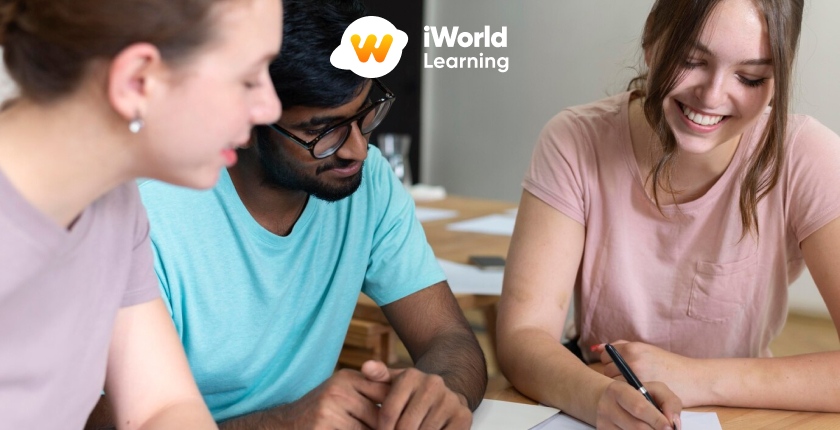
Self-study allows you to learn at your own pace, on your own time, and focus on the skills that matter most to you. But with so many options available, it can be hard to know where to start or whether self-study alone is enough to make real progress.
This article explores the different ways adults can approach self-study English courses, what to look for in a good programme, and how to combine independent learning with other resources for better results.
Self-Study English Courses: Are They Effective?
The short answer is yes. Self-study English courses can be highly effective for motivated learners who have clear goals and the discipline to stick with a routine.
Research shows that adults learn best when they have control over their learning pace and can immediately apply new skills to real-life situations. Self-study fits this model well. You can pause a lesson to practise pronunciation, replay a video to catch a grammar point you missed, or skip ahead when you already understand a topic.
However, self-study works best when it is structured. Simply watching random YouTube videos or using free apps without a plan often leads to slow progress. The most successful self-learners use a combination of quality course materials, regular practice, and some form of feedback or accountability.
Why Many Adults Choose Self-Study in Singapore
Singapore is a fast-paced city. Working professionals often leave the office at 7pm or later, making evening classes difficult to attend consistently. Parents with young children may find weekend classes equally challenging.
Self-study removes the barrier of fixed schedules. You can study for 20 minutes on the MRT during your morning commute, review vocabulary while waiting for dinner to cook, or complete a full lesson on a quiet Sunday afternoon.
Another reason is cost. Private tuition and group classes at language centres can be expensive. Self-study courses, especially digital ones, are often more affordable. Some high-quality resources are even free.
Finally, self-study allows for personalisation. A classroom course follows a fixed syllabus. With self-study, you choose what to learn next. If you struggle with listening comprehension, you can spend two weeks focusing only on that. If you need business email writing for your job, you can prioritise that skill immediately.
Available Options for Self-Study English Courses
There are several types of self-study English courses available to adults in Singapore. Each has different strengths.
Digital platforms and apps – Apps like Duolingo, Babbel, and Memrise offer gamified lessons that are great for building basic vocabulary and grammar. They work well for beginners but may not take you to advanced levels.
Structured online courses – Platforms like Coursera, edX, and Udemy offer complete English courses created by universities and professional educators. These often include video lessons, quizzes, and downloadable materials. Some are free; others cost between $50 and $200.
Textbook-based self-study – Traditional textbooks like the Oxford English File series or Cambridge Grammar in Use remain excellent resources. Many come with answer keys, audio CDs, and online practice portals. You can buy these at bookstores like Kinokuniya or Popular in Singapore.
Hybrid programmes – Some language schools offer self-study materials combined with periodic teacher check-ins. This gives you the flexibility of self-study with the accountability of expert guidance. For example, iWorld Learning provides structured courses that can complement self-study efforts, especially for learners who want to ensure they are on the right track.
Community-based learning – Websites like Meetup or language exchange apps let you practise speaking with other learners or native speakers. While not a formal course, this adds a vital speaking component that pure self-study often lacks.
How to Choose the Right Self-Study Approach
With so many options, how do you decide? Here are four questions to ask yourself.
What is your current level? Beginners benefit from structured courses with clear progression. Intermediate learners may need more targeted materials focusing on specific weaknesses. Advanced learners often do well with authentic content like podcasts, news articles, and academic lectures.
What is your goal? If you need English for daily conversations, a general course with plenty of listening and speaking practice is best. If you need English for work, look for business English courses that cover meetings, presentations, and professional writing. If you are preparing for an exam like IELTS, choose a course specifically designed for that test.
How much time can you commit? Be realistic. If you can only study 15 minutes a day, an app-based course is fine. If you have an hour each evening, you can work through a textbook or video course more systematically.
Do you need feedback? Self-study has one major weakness: no one tells you when you make mistakes. If you need correction on your writing or speaking, consider a hybrid option where a teacher reviews your work occasionally, or supplement your self-study with a tutor once a month.
Combining Self-Study with Other Learning Methods
The most effective learners do not rely on self-study alone. They combine it with other methods to accelerate progress.
Add weekly speaking practice – Self-study is excellent for reading, writing, and listening. But speaking requires another person. Find a language exchange partner, join a conversation group, or book an online tutor for one hour per week.
Use authentic materials – Beyond your course, listen to English podcasts during your commute. Read news from The Straits Times. Watch Netflix shows with English subtitles. This reinforces what you learn and exposes you to natural language use.
Set measurable goals – Instead of “I want to improve my English,” set goals like “I will complete two units of my textbook per week” or “I will learn 20 new vocabulary words each day and use them in three sentences.”
Test yourself regularly – Take online level tests every month to track progress. Many course platforms include quizzes and exams. If you are preparing for IELTS, take practice tests under timed conditions.
Common Questions About Self-Study English Courses
Can self-study English courses help me pass the IELTS exam?
Yes, but with caution. Self-study works well for the reading and listening sections of IELTS, where answers are objective. For writing and speaking, you need feedback from a qualified teacher to understand your band score and improve. Many learners combine self-study for input with a few tutoring sessions for output practice.
How long does it take to see results from self-study?
Most learners notice improvement within four to six weeks of consistent study. Studying 30 minutes daily is more effective than studying three hours once a week. After three months of regular self-study, many adults move up one CEFR level (for example, from A2 to B1).
Are free self-study English courses any good?
Some free resources are excellent. The British Council, BBC Learning English, and many universities offer free high-quality materials. However, free courses often lack structure, personalised feedback, and progress tracking. A paid course is usually worth the investment if you need clear goals and accountability.
What is the biggest mistake self-study learners make?
The biggest mistake is focusing only on passive learning. Watching videos and reading are comfortable, but real improvement happens when you actively produce language. Write paragraphs, record yourself speaking, and practise using new vocabulary in sentences. Without active production, progress stalls.
Related Articles
Recommended Reading
Popular Articles
-
English Teacher Salary in Singapore: A Complete 2026 Guide
-
The Ultimate english learning apps Bank: Categorized & Explained
-
British Council IELTS in 2026: What Changed, What It Costs, and How to Prepare
-
IELTS Price in 2026: What Test-Takers Actually Pay (And How to Spend Less)
-
The Complete 2026 Blueprint for O Level English Oral Topics 2026 Format & Strategy
-
IELTS Test Format, Scoring, and Key Changes for 2026 Explained
-
IELTS Exam Fee 2026: Complete Guide to Costs, Payment & Savings
-
IELTS Test Dates 2026: Monthly Schedule, Booking Strategy, and Prep Timeline
-
PSLE 2026: Complete Guide to Exam Dates, Scoring System, and Preparation Strategies
-
The Top 10 Tuition Centres in Singapore (2025) – A Curated Review for Parents & Students
latest articles
-
WPLN Level 5 to Level 6 When One Skill Is Stuck
-
IELTS Prep or a Career English Course When No Score Is Required
-
PSLE T-Score Calculation Method Explained: AL Band Tips
-
IELTS Diagnostic Test: Accurate Band Score Level Guide
-
PSLE AL Score Ranges for Popular Schools: S1 COP Guide
-
Online or In-Person English Class by the Skill You Miss
-
English Tuition for Secondary School Singapore: 1184 Tips
-
Is My Primary 4 Writing Class Working? Four Signs
-
Speaking Confidence for Professionals: Workplace Talk Tips
-
ESL Class for New Immigrants: Daily Tasks Before Workplace English