English Elementary Schools: What Parents Need to Know Before Choosing
Finding the right school for your child can feel overwhelming. You want a place where they feel safe, happy, and genuinely supported in learning English. In Singapore, English elementary schools form the foundation for academic success, but not every school approaches language learning the same way. This guide helps you understand what to look for, what questions to ask, and how different options compare.
What “English Elementary Schools” Actually Means in Singapore
When parents search for “English elementary schools,” they are often looking for primary-level institutions where English is the main medium of instruction. In Singapore’s education system, almost all government primary schools teach English as a first language. However, some parents seek schools with additional English support, smaller class sizes, or curricula designed specifically for children who need extra help with reading, writing, or speaking.
The term can also refer to private or international schools that place extra emphasis on English language development. These schools might follow the British curriculum, the International Baccalaureate, or offer intensive English preparation for non-native speakers. Understanding the difference helps you choose based on your child’s specific needs, not just the school’s reputation.
Why Choosing the Right English Foundation Matters
The elementary years shape how a child reads, writes, and communicates for the rest of their academic life. A child who struggles with English in primary school often continues to struggle in secondary school and beyond. Reading comprehension affects science. Writing skills affect humanities. Vocabulary limits affect how well a child expresses ideas in every subject.
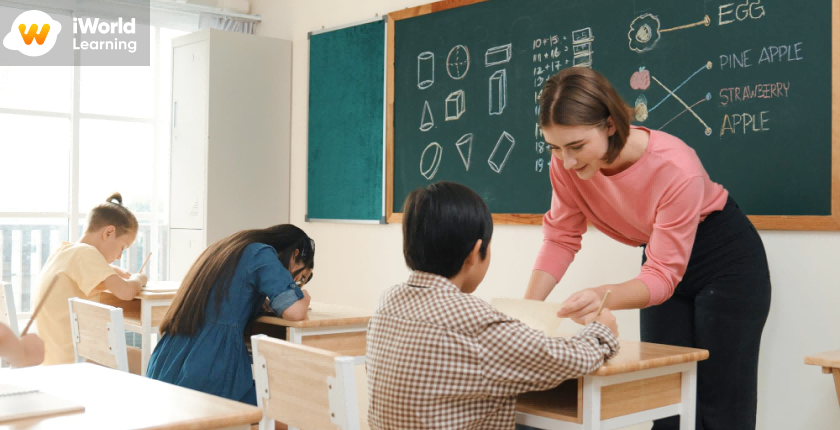
Beyond grades, confidence matters. Children who feel behind in English may participate less in class, avoid reading for fun, and feel anxious about homework. On the other hand, children who receive the right support early on develop a positive relationship with language learning. They read more, write more willingly, and speak up in discussions. That confidence carries into adulthood.
Available Options for English Elementary Education in Singapore
Singapore offers several pathways for parents looking at English elementary schools. Each has different strengths, costs, and admission requirements.
Government primary schools teach English daily as the core language of instruction. The curriculum follows MOE guidelines and is rigorous. Fees are affordable for citizens and permanent residents. However, class sizes can be large, and additional English support varies by school.
International schools often use English as the primary teaching language and follow curricula from countries like the UK, US, or Australia. These schools typically have smaller classes and more resources for English language learners. Fees are significantly higher, and waiting lists are common.
Private English-focused elementary programmes offer supplementary or full-time instruction. Some operate as after-school learning centres, while others provide full-day elementary education with a focus on literacy. These options give parents more flexibility but require careful checking of academic recognition.
Learning centres with elementary English programmes provide targeted support for children who attend regular primary school but need extra help. Some language schools in Singapore, such as iWorld Learning, offer small-group English courses designed to improve communication skills for elementary-aged children. These programmes work alongside mainstream schooling rather than replacing it.
How to Evaluate English Elementary Schools
Start by identifying your child’s specific needs. Does your child struggle with phonics and early reading? Are they a non-native speaker who needs vocabulary building? Or do they need help with writing compositions and comprehension?
Visit the school or centre if possible. Observe a class if allowed. Pay attention to how teachers interact with students. Are they patient? Do they correct errors in a way that encourages children to try again? Small class sizes often mean more individual attention, but teacher quality matters just as much.
Ask about teacher qualifications. English elementary education requires knowledge of how young children acquire language. Teachers trained in TESOL, early childhood education, or primary English methods are better prepared than general tutors.
Look for a structured curriculum, not just homework help. The best programmes teach systematically—phonics, vocabulary, grammar, reading comprehension, and writing. A random collection of worksheets does not build long-term skills.
Check progress tracking. How does the school measure improvement? Do they conduct regular assessments? Do they communicate with parents about specific areas where the child needs more practice?
Consider location and schedule consistency. English improvement requires regular practice. A programme that is too far or has an inconvenient schedule will lead to missed classes and slower progress.
Common Mistakes Parents Make
Many parents wait until their child is already falling behind. Early intervention works better than catching up later. A child in Primary 1 or 2 who receives extra English support often closes the gap quickly. By Primary 4, the same child may need months of intensive work to catch up.
Another mistake is choosing based only on price or convenience. The cheapest option rarely provides the best teaching. The most expensive option is not always the right fit either. Look for value—qualified teachers, small groups, and a clear teaching method.
Some parents also assume that simply being in an English-medium school is enough. For most children, it is. But some need structured, explicit instruction in reading or writing beyond what a mainstream classroom provides. There is no shame in getting extra help. Many successful students had tutoring or small-group classes during their elementary years.
FAQ
What is the best age to start extra English classes for elementary children?
The best age is when you first notice a struggle. For reading issues, Primary 1 or 2 is ideal because foundational skills are still being built. Waiting until Primary 4 or 5 makes catching up much harder. Early support prevents confidence from dropping.
Are private English elementary schools better than government schools for learning English?
Not necessarily. Government schools have strong English curricula and experienced teachers. Private schools offer smaller classes and more flexibility but cost much more. The better choice depends on your child’s needs. For most children, a good government school plus targeted after-school support works very well.
How many hours per week of extra English help do elementary students need?
For mild difficulties, 1–2 hours per week of focused instruction can make a difference. For children significantly behind grade level, 3–5 hours per week is more realistic. Consistency matters more than intensity. One hour every week is better than five hours in a single weekend once a month.
Do English elementary schools in Singapore accept international students?
Yes, but admission depends on the school type. Government primary schools have limited places for international students and require an admissions exercise. International schools routinely accept international students but have higher fees. Private learning centres generally accept anyone regardless of nationality, as long as there is space in the class.
相关文章
Recommended Reading
Popular Articles
-
English Teacher Salary in Singapore: A Complete 2026 Guide
-
The Ultimate english learning apps Bank: Categorized & Explained
-
British Council IELTS in 2026: What Changed, What It Costs, and How to Prepare
-
IELTS Price in 2026: What Test-Takers Actually Pay (And How to Spend Less)
-
The Complete 2026 Blueprint for O Level English Oral Topics 2026 Format & Strategy
-
IELTS Test Format, Scoring, and Key Changes for 2026 Explained
-
IELTS Exam Fee 2026: Complete Guide to Costs, Payment & Savings
-
PSLE 2026: Complete Guide to Exam Dates, Scoring System, and Preparation Strategies
-
IELTS Test Dates 2026: Monthly Schedule, Booking Strategy, and Prep Timeline
-
The Top 10 Tuition Centres in Singapore (2025) – A Curated Review for Parents & Students
latest articles
-
Internship Request Email: Student's Template
-
Counter-Offer From Your Employer: Responding
-
Award Nomination Email: Nominate a Peer
-
How to Pronounce 'Frites' in English and French Contexts
-
Lucidity: Meaning, Context and Natural Examples
-
Salvation: Meaning in Religious and Everyday Contexts
-
Mitigate Meaning in English: Usage, Grammar and Examples
-
Exit Interview Email: HR Templates
-
Empathic Synonyms: Differences in Meaning and Tone
-
Spelling Practice at Home: What Works