How Conversational English Tuition in Singapore Helps You Speak Confidently
Many adults in Singapore struggle to speak English fluently in daily conversations, even after years of formal lessons. You might understand grammar rules and written English well, but when it comes to ordering coffee, joining a work discussion, or chatting with neighbours, the words don’t come out smoothly.
This is where targeted help makes a real difference.
What Conversational English Tuition in Singapore Actually Does
Conversational English tuition in Singapore focuses specifically on speaking and listening skills in real-life situations. Unlike general English courses that cover reading, writing, grammar, and vocabulary all at once, conversation-focused tuition prioritises verbal communication. You practise responding quickly, clarifying misunderstandings, using everyday expressions, and adjusting your tone for different settings — from casual hawker centre chats to formal business meetings.
Sessions typically involve role-playing common scenarios. Learners might simulate ordering food with specific requests, handling a phone call with a client, or explaining a problem to a technician. The goal is automaticity — speaking without mentally translating from your native language first.
Why Many Learners Struggle With Speaking Despite Years of English Education
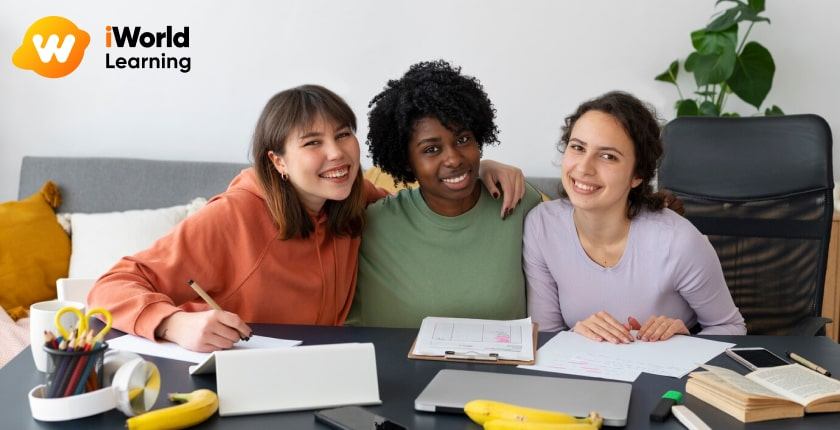
Singapore is a multilingual society. While English is the first language in schools, many adults grow up speaking Mandarin, Malay, Tamil, or Chinese dialects at home. You might score well on written exams but feel anxious when someone asks you an unexpected question in English.
Two main issues surface repeatedly. First, classroom English is often formal and textbook-based. Students learn “How do you do?” but rarely hear “How’s it going?” Second, there’s limited opportunity for low-pressure speaking practice. In work settings, making mistakes can feel embarrassing. Among friends, everyone switches to a common mother tongue. Conversational English tuition creates a safe third space — neither work nor home — where you can stumble, correct, and try again without judgement.
Where to Find Conversational English Tuition in Singapore
Several options exist across the island, from community centres to private tutors and dedicated language schools.
Community centres (CCs) managed by PA offer affordable conversational English courses for adults. These usually run once a week for eight to ten sessions. Prices range from 80to150 for the entire course. Classes are mixed-level, so progress can feel slow.
Private tutors provide one-to-one flexibility. You set the schedule and focus on topics relevant to your life — preparing for a job interview, helping with your child’s school meetings, or improving service conversations if you work in retail. Rates typically fall between 50and100 per hour.
Specialised language schools offer structured programmes with clear levels and regular feedback. Some language schools in Singapore, such as iWorld Learning, offer small-group English courses designed to improve communication skills through guided conversation practice with native and near-native facilitators. Classes usually cap at six to eight students, ensuring everyone speaks each session.
Online platforms like italki or Preply connect you with tutors worldwide. This works well for busy professionals, but you lose the in-person body language and environmental cues that matter in real conversations.
How to Choose the Right Conversational English Tuition
Before signing up anywhere, ask yourself three questions.
First, what is your specific speaking goal? “Improve my English” is too vague. Instead, try: “I want to explain technical issues to my colleagues without pausing constantly” or “I want to join small talk during lunch breaks without feeling left out.” Clear goals help you evaluate whether a course is working.
Second, how much real speaking time does each session provide? Avoid lecture-style classes where the teacher talks for 80 per cent of the time. Good conversational English tuition should have you speaking for at least half the session.
Third, what is the class size for group options? Anything above ten students means limited individual speaking time. Look for groups of eight or fewer. For private tuition, check whether the tutor follows a fixed curriculum or adapts to your needs — the latter is usually better for conversation practice.
Fourth, ask about feedback methods. Do you receive corrections immediately? At the end of each session? Or never? Immediate correction interrupts flow but reinforces accuracy. Delayed correction at natural breaks often works better for building confidence first, then refining grammar.
A Common Situation Many Learners Face
Imagine this: You have been working in Singapore for three years. Your written reports are fine. Your boss understands your emails. But during team lunches, you stay quiet. When a colleague asks, “Any plans for the weekend?” you freeze. You know how to answer in your head, but by the time you organise the sentence, the conversation has moved on.
This is not a lack of English knowledge. It is a lack of conversational reflexes. Knowledge lives in your long-term memory, but conversation requires quick retrieval from working memory. Without regular, realistic practice, those retrieval pathways stay slow.
Why This Problem Happens
The gap between knowing and doing is called passive versus active vocabulary. You can recognise thousands of English words when reading. But when speaking, you actively use only a fraction of them. Conversational English tuition bridges this gap by forcing active recall under timed, low-stakes conditions.
Another factor is anxiety. The fear of making mistakes triggers a stress response. Your brain prioritises survival over fluent speech. Literally, the blood flows away from your language centres. Repeated practice in a supportive environment reduces this anxiety over time — not through theory, but through desensitisation.
Possible Solutions Beyond Formal Tuition
Tuition alone is not enough. The best results come from combining structured lessons with daily micro-practice.
Try recording yourself speaking for two minutes every day on a simple topic: “What I ate for lunch” or “How the MRT ride was today.” Listen back. You will notice patterns — repeated fillers like “erm,” wrong prepositions, or sentences that trail off. Just noticing helps your brain self-correct next time.
Another method is shadowing: listening to a short podcast clip (two to three minutes) and repeating immediately after the speaker, copying their rhythm and intonation. Do this five minutes daily. It trains your mouth muscles and your ear simultaneously.
Join hobby-based groups where English is the common language. Running clubs, board game meetups, or cooking classes at places like Food Playground often attract mixed-nationality participants who default to English. This gives you authentic conversation without the pressure of “practising English.”
Common Questions About Conversational English Tuition Singapore
How long does it take to see improvement with conversational English tuition?
Most learners notice a difference in four to six weeks of weekly sessions combined with daily practice. Fluency for basic daily situations typically takes three to six months. For professional-level conversations, expect six to twelve months of consistent effort.
Is group or one-to-one conversational English tuition better for adults in Singapore?
Group tuition works well if you need practice following multiple speakers and handling interruptions — real-life conversation skills. One-to-one suits professionals who need specific workplace vocabulary or have very limited available time. Many learners start with group classes then add private sessions for targeted help.
What is the average cost of conversational English tuition in Singapore?
Group classes at community centres range from 80to200 for ten sessions. Private tutors charge 50to120 per hour. Language school programmes typically cost 300to600 for a month of weekly classes. Some employers in Singapore co-fund English training for foreign workers, so check with your HR department.
Can I improve conversational English without attending formal tuition?
Yes, but progress is usually slower. Self-study methods like language exchange apps (Tandem, HelloTalk), watching YouTube videos with active repetition, and joining English-speaking social groups all help. However, without structured feedback on your specific errors, you risk reinforcing bad habits. Tuition provides guided correction that accelerates improvement.
相关文章
Recommended Reading
Popular Articles
-
English Teacher Salary in Singapore: A Complete 2026 Guide
-
The Ultimate english learning apps Bank: Categorized & Explained
-
British Council IELTS in 2026: What Changed, What It Costs, and How to Prepare
-
The Complete 2026 Blueprint for O Level English Oral Topics 2026 Format & Strategy
-
IELTS Price in 2026: What Test-Takers Actually Pay (And How to Spend Less)
-
IELTS Test Format, Scoring, and Key Changes for 2026 Explained
-
IELTS Exam Fee 2026: Complete Guide to Costs, Payment & Savings
-
PSLE 2026: Complete Guide to Exam Dates, Scoring System, and Preparation Strategies
-
IELTS Test Dates 2026: Monthly Schedule, Booking Strategy, and Prep Timeline
-
The Top 10 Tuition Centres in Singapore (2025) – A Curated Review for Parents & Students
latest articles
-
How to Read a Marked English Script
-
Write a P3 Why-Answer with a Clue and Because
-
Should You Continue Primary 6 English Tuition After One Term?
-
Comparing PSLE English Tuition - 12 Questions for Parents
-
IELTS General Training for Singapore PR Plans - Check the Requirement First
-
IELTS Speaking Part 3 - Build Answers Beyond One Opinion
-
O-Level English Exam Strategy - Match Revision to the Weakest Process
-
Build a Primary-School Reading Habit That Improves Understanding
-
PSLE Grammar and Vocabulary Tuition - Diagnose the Error Before Choosing
-
Build the Reasoning Skills PSLE English Questions Actually Need