Is Your Child Ready for Primary 1? A Guide to Primary 1 Readiness English Course
The move from kindergarten to Primary 1 is one of the biggest transitions a young child makes in Singapore. Suddenly, English is no longer just about storytelling and play. It becomes the main language for learning across subjects like Maths, Science, and even Social Studies. Many parents worry whether their child can keep up. This is exactly why a Primary 1 Readiness English Course has become a popular first step for families who want to ease that transition. In this guide, we will walk through what these courses cover, why they matter, and how to find the right fit for your child.
What Is a Primary 1 Readiness English Course?
A Primary 1 Readiness English Course is a structured programme designed for children aged 5 to 6 who are about to enter Primary 1. Unlike general phonics or reading classes, this course focuses specifically on the skills that P1 teachers expect children to have on day one. These include basic reading comprehension, simple sentence writing, listening to instructions, and speaking clearly in class.
Most courses run for 8 to 12 weeks before the new school year starts. Some centres offer holiday programmes in November or December. The goal is not to turn your child into a mini scholar. It is to build confidence and familiarity with school routines. When a child already understands how to follow a worksheet or raise a hand to answer a question, the first week of P1 feels less like a shock and more like a smooth continuation.
Why Parents Search for This Type of Course
The main reason parents look for a Primary 1 readiness English course is fear of falling behind. In Singapore’s competitive education environment, many parents have heard stories of children struggling with P1 English because they could not read simple instructions. Another reason is the change in curriculum. Kindergarten English is often playful, while P1 English introduces grammar rules, spelling tests, and comprehension exercises. That jump can feel huge.
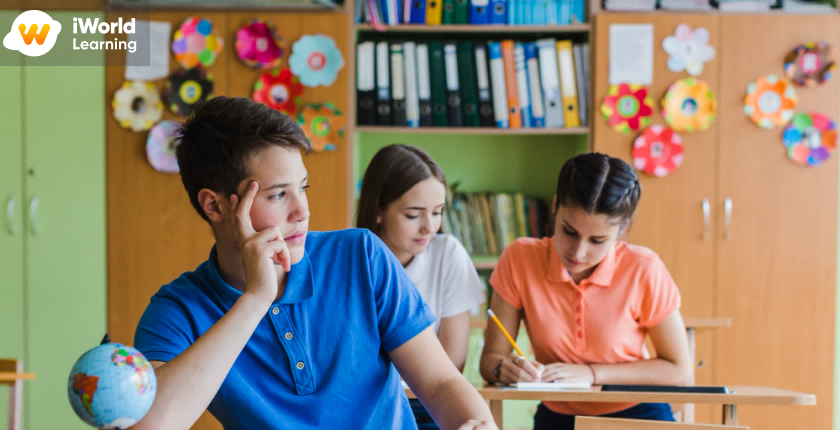
Parents also search because they want reassurance. They want to know that their child will not cry on the first day because they cannot understand the teacher. A readiness course offers that emotional safety net. It gives both parent and child a trial run of what school English actually feels like.
What These Courses Typically Cover
Most Primary 1 readiness English courses in Singapore cover four main areas. First, reading readiness — this means recognising common sight words, reading short sentences, and understanding simple story sequences. Second, writing basics — forming letters neatly, copying sentences, and writing short answers like “My name is Sarah.” Third, listening and following instructions — this is often overlooked but very important. Teachers may say, “Take out your red pencil and circle the cat.” Your child needs to follow that without help.
Fourth, speaking and classroom language — learning how to ask for help, answer questions in full sentences, and talk about pictures. Some courses also introduce basic grammar like capital letters, full stops, and simple present tense. The best courses keep these lessons short and fun because young children have short attention spans.
Different Types of Primary 1 Readiness English Courses in Singapore
Parents in Singapore have several options. One common type is the kindergarten-based bridging programme. Some kindergartens offer extra classes specifically for their K2 students. The advantage is that your child already knows the environment. Another type is the tuition centre preparatory course. Many English tuition centres run dedicated P1 readiness classes during the year-end holidays. These are usually more structured and taught by specialist English teachers.
A third option is small-group learning centres that focus entirely on early childhood English. For example, iWorld Learning offers small-group English courses designed for young learners. Their P1 readiness classes focus on building both academic skills and classroom confidence. The small class size means your child gets more individual attention, which can make a big difference when they are still learning to sit still and focus.
Finally, there are online readiness courses. These became more common after the pandemic. They work well for self-disciplined children but may not prepare a child for the physical classroom environment as effectively.
How to Choose the Right Course for Your Child
Choosing the right Primary 1 readiness English course depends on your child’s current level and personality. Start by asking yourself a few questions. Does your child already read simple books like “Pat the Cat”? If yes, they may need a course that focuses more on writing and grammar. If no, look for a course that emphasises phonics and sight words.
Next, consider the class size. Young children learn better in small groups of 4 to 8 students. A 1-to-15 ratio is too high for readiness classes. Ask the centre how much individual feedback you will receive. Some centres send home a short report after each lesson. Others only give feedback at the end of the course.
Also check the teacher’s experience. A good P1 readiness teacher should understand both early childhood education and the Primary 1 syllabus. They should use songs, games, and movement — not just worksheets. If possible, request a trial lesson. Watch how your child responds. Do they feel comfortable? Are they engaged? Trust your instinct.
Practical Tips for Parents Before P1 Starts
Beyond enrolling in a Primary 1 readiness English course, there are simple things you can do at home. Read one English storybook together every night. Let your child see you reading too. Talk about the pictures. Ask them “What do you think happens next?” This builds comprehension without pressure.
Practice following two-step instructions. Say, “Please take out your pencil and draw a circle.” This mimics classroom instructions. Also create a simple homework routine. Give your child a 5-minute worksheet to complete at the same time each day. This builds the habit of sitting down to work. Finally, do not stress about perfect spelling or handwriting at this stage. Focus on effort and willingness to try.
Common Questions About Primary 1 Readiness English Course
At what age should my child start a Primary 1 readiness English course?Most children start between 5 and 6 years old, typically in K2 or the year before P1. Starting earlier than 5 is usually not necessary unless your child shows very advanced interest. The course is designed to be a short-term bridge, not a long-term programme.
How long does a typical Primary 1 readiness course run for?Most courses run for 8 to 12 weeks, often in the second half of K2 or during the school holidays. Some centres offer intensive 2-week holiday programmes. The total class time is usually between 16 and 24 hours.
Will this course guarantee my child does well in P1 English?No course can guarantee academic success, but a good readiness course significantly reduces first-day anxiety and builds foundational skills. Your child will enter P1 knowing how to listen, follow instructions, and attempt basic reading and writing tasks. That puts them ahead of many classmates.
Is one-on-one tuition better than a group readiness course?It depends on your child. One-on-one tuition is great for children who need intensive catch-up or have specific learning needs. However, group readiness courses also teach classroom behaviour — taking turns, sharing attention with the teacher, and working alongside peers. For most children, a small group course offers the best balance.
Related Articles
Recommended Reading
Popular Articles
-
English Teacher Salary in Singapore: A Complete 2026 Guide
-
The Ultimate english learning apps Bank: Categorized & Explained
-
British Council IELTS in 2026: What Changed, What It Costs, and How to Prepare
-
IELTS Price in 2026: What Test-Takers Actually Pay (And How to Spend Less)
-
The Complete 2026 Blueprint for O Level English Oral Topics 2026 Format & Strategy
-
IELTS Test Format, Scoring, and Key Changes for 2026 Explained
-
IELTS Exam Fee 2026: Complete Guide to Costs, Payment & Savings
-
PSLE 2026: Complete Guide to Exam Dates, Scoring System, and Preparation Strategies
-
IELTS Test Dates 2026: Monthly Schedule, Booking Strategy, and Prep Timeline
-
The Top 10 Tuition Centres in Singapore (2025) – A Curated Review for Parents & Students
latest articles
-
Story Mountains for Primary Writing: A Practical Guide
-
How to Use 'Indicted' Accurately in English
-
Plan TOEFL iBT Practice Around the Full Test Cost
-
Review Small-Group PSLE Oral Practice with Useful Evidence
-
PSLE English Format Review: Fix Repeated Preparation Mistakes
-
How to Ask a Client for a Testimonial: Email
-
Review TOEFL Practice Results Without Chasing Scores
-
How to Read Spanish Dictionary Definitions and Examples
-
When an Intensive English Course Is the Right Choice
-
A Reliable Planning Method for IELTS General Training Letters