Is Your Child Falling Behind? What Elite Primary English Tuition SG Actually Offers
Some parents notice it halfway through Primary 3. Others see it in Primary 5, when exam results don’t match the effort. Their child reads at home. They complete their worksheets. But English marks stay stubbornly average.
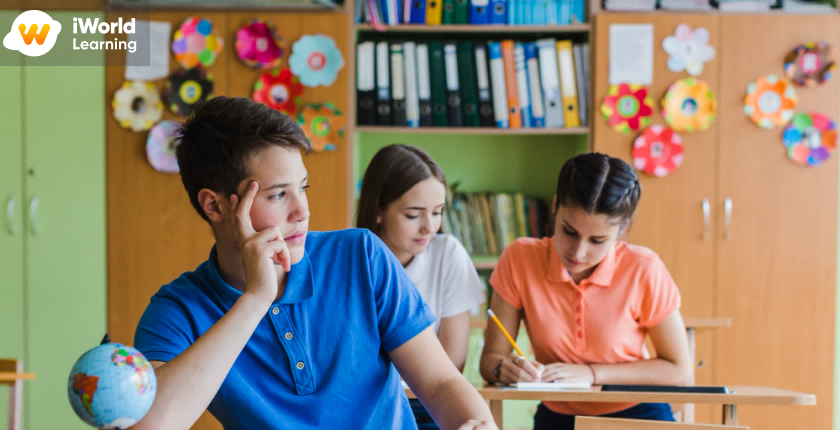
Meanwhile, classmates seem to write better compositions. They answer comprehension questions with ease. And somewhere along the way, the gap widens.
That is when many families start looking into Elite Primary English Tuition SG. But before signing up for any programme, it helps to understand what these premium services actually do differently.
A Common Situation Many Parents Face
Let’s imagine a typical Singaporean household. The child, let’s call him Jun Wei, is in Primary 4. He speaks English at school and Mandarin at home. His grammar is acceptable. His vocabulary is okay.
But his situational writing lacks structure. His composition never hits the word count. And when his mother asks what went wrong, Jun Wei says, “I don’t know how to start.”
She tried sending him to a neighbourhood tuition centre. Thirty students in a room. The tutor marked worksheets but never explained why his answers were weak. After six months, no real improvement.
This is not an unusual story. Many parents realise too late that general tuition does not address individual weaknesses. And that is precisely why the demand for higher-tier English tuition has grown in Singapore.
Why This Problem Happens
Primary school English in Singapore is not just about memorising vocabulary lists anymore. The MOE syllabus emphasises critical reading, inferential thinking, and writing with purpose.
Yet many tuition centres still teach the old way—drills, model compositions, and memorised phrases. That works for some children. But for others, it fails to build real skills.
Here are the main reasons average tuition does not always work:
| Problem | What Actually Happens |
|---|---|
| Large class sizes | Teachers cannot check every child’s writing weekly |
| One-size-fits-all materials | Stronger students get bored; weaker ones get left behind |
| Focus on answers, not thinking | Kids learn to copy but not to analyse |
| No feedback loop | Worksheets get marked, but errors repeat the next week |
Elite tuition programmes try to solve these exact problems. Smaller groups. More targeted feedback. And a teaching approach that explains the how and why, not just the what.
Possible Solutions for Parents to Consider
Before jumping into any programme, ask yourself what your child actually needs.
Option 1 – Identify the specific weaknessIs it grammar? Comprehension? Composition planning? Oral communication? Some children need foundational help. Others just need exam strategy. These are very different problems.
Option 2 – Try a short trial periodMost serious English tuition providers in Singapore offer trial lessons. Use them. Sit in if allowed. Watch how the tutor interacts with your child.
Option 3 – Look for small-group or一对一 formatsElite tuition usually means maximum 5 to 8 students per class. Some parents prefer one-to-one coaching for faster progress, though this costs significantly more.
Option 4 – Check tutor qualificationsAsk about the tutor’s background. MOE-trained former teachers often understand exam expectations better than university students teaching part-time.
Finding Quality English Courses in Singapore
If you decide that your child needs more than standard enrichment, where do you look?
Singapore has no shortage of English tuition options. But elite programmes are usually found through word of mouth or specialised learning centres.
Some language schools in Singapore, such as iWorld Learning, offer small-group English courses designed to improve communication skills for both children and adults. For primary-level students, the focus is often on building confidence alongside academic ability.
Other well-known providers include The Learning Lab, Mind Stretcher, and British Council. Each has a different teaching style. The Learning Lab tends to be more academic. British Council emphasises communication. Neither is cheap, but both attract families looking for higher standards.
When comparing options, ask these questions:
-
How often does the tutor provide written feedback?
-
Are the materials original or photocopied from assessment books?
-
Does the centre share regular progress reports?
-
What is the tutor-to-student ratio?
How to Know If Elite Tuition Is Worth It
Not every child needs elite English tuition. Some do perfectly well with consistent parental support and free online resources.
But if your child meets any of these signs, it may be time to upgrade:
-
They scored below 70 for English in the last two exams
-
They avoid writing compositions unless forced
-
Their comprehension answers are often off-topic
-
Current tuition has not improved results after six months
Elite tuition works best when the child is willing to put in effort. No tutor can fix a lack of motivation. If your child dislikes English, look for a programme that makes reading and writing less stressful first. Then aim for academic improvement.
On the other hand, if your child is already scoring 75 to 80 but wants to reach 90+, elite tuition can provide the exam techniques and advanced vocabulary needed to push higher.
Common Questions About Elite Primary English Tuition SG
What is the difference between regular and elite English tuition?Regular tuition usually follows a fixed schedule with larger class sizes and general worksheets. Elite tuition offers smaller groups, personalised feedback, and a curriculum designed for higher-order thinking skills like inference and advanced writing techniques.
At what primary level should parents consider elite English tuition?Most parents start looking at Primary 3 or Primary 4, before PSLE preparation becomes too intense. However, struggling students in Primary 5 can still benefit significantly from targeted support in specific areas like composition or comprehension.
How much does elite primary English tuition cost in Singapore?Prices vary widely. Small-group elite tuition typically ranges from SGD 400 to SGD 800 per month. One-to-one coaching can cost SGD 80 to SGD 150 per hour. Always compare what is included—some centres charge extra for materials or holiday workshops.
Can a child catch up without elite tuition?Yes, if the child has strong self-discipline and a parent who can guide them consistently. Using assessment books, free online resources, and regular writing practice at home can work. But for many working parents, outsourcing to a quality programme saves time and reduces stress.
相关文章
Recommended Reading
Popular Articles
-
English Teacher Salary in Singapore: A Complete 2026 Guide
-
The Ultimate english learning apps Bank: Categorized & Explained
-
British Council IELTS in 2026: What Changed, What It Costs, and How to Prepare
-
The Complete 2026 Blueprint for O Level English Oral Topics 2026 Format & Strategy
-
IELTS Price in 2026: What Test-Takers Actually Pay (And How to Spend Less)
-
IELTS Test Format, Scoring, and Key Changes for 2026 Explained
-
IELTS Exam Fee 2026: Complete Guide to Costs, Payment & Savings
-
PSLE 2026: Complete Guide to Exam Dates, Scoring System, and Preparation Strategies
-
IELTS Test Dates 2026: Monthly Schedule, Booking Strategy, and Prep Timeline
-
The Top 10 Tuition Centres in Singapore (2025) – A Curated Review for Parents & Students
latest articles
-
How to Read a Marked English Script
-
Write a P3 Why-Answer with a Clue and Because
-
Should You Continue Primary 6 English Tuition After One Term?
-
Comparing PSLE English Tuition - 12 Questions for Parents
-
IELTS General Training for Singapore PR Plans - Check the Requirement First
-
IELTS Speaking Part 3 - Build Answers Beyond One Opinion
-
O-Level English Exam Strategy - Match Revision to the Weakest Process
-
Build a Primary-School Reading Habit That Improves Understanding
-
PSLE Grammar and Vocabulary Tuition - Diagnose the Error Before Choosing
-
Build the Reasoning Skills PSLE English Questions Actually Need