Where to Start with English Lessons for Beginners in Singapore
Starting English lessons as a beginner can feel like a big step. You might worry about not knowing enough words. You might feel nervous about speaking in front of others. These feelings are completely normal.
The good news is that Singapore has one of the most accessible English learning environments in Asia. English is a working language here. You see it on signs, hear it on public transport, and read it in official documents. This means you get constant real-world practice outside the classroom.
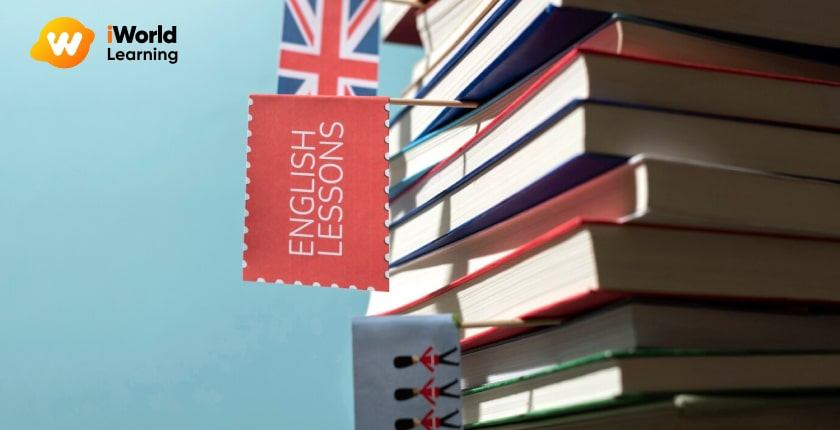
But where do you actually begin? This guide walks you through the practical steps of finding and succeeding in English lessons for beginners in Singapore.
What Beginner English Lessons Actually Cover
Many people think beginner lessons only teach basic words like “apple” or “cat.” That is partially true, but modern beginner courses go much further.
A well-designed beginner course typically covers:
Foundational grammar – simple sentence structures, basic verb tenses like present simple and past simple, and common prepositions. You learn how to say “I work in an office” before trying “I have been working in this office for three years.”
Everyday vocabulary – words and phrases you actually use. Shopping, ordering food, asking for directions, talking about your job or family. Not random words from a dictionary.
Basic listening and speaking – understanding slow, clear speech and producing simple responses. Pronunciation work focuses on sounds that matter for being understood.
Reading and writing fundamentals – understanding signs, filling out forms, writing short emails or messages.
At schools like iWorld Learning, beginner courses also include practical conversation simulations. You practice ordering coffee at a Hawker centre or asking a colleague about their weekend. These real-life scenarios build confidence faster than textbook drills alone.
Why Structured Lessons Work Better Than Self-Study for Beginners
Some people try learning English on their own using apps or YouTube videos. That approach can work for building vocabulary. But for true communication skills, structured lessons have clear advantages.
Feedback is critical. An app cannot tell you why your pronunciation is confusing. A teacher can. In a classroom, you make mistakes safely and get immediate correction. That feedback loop speeds up learning dramatically.
Accountability matters. When you pay for a course and have a fixed schedule, you show up. Self-study often gets pushed aside when work gets busy or you feel tired. Consistent practice is the number one factor in language success.
Progressive structure saves time. A good curriculum introduces concepts in the right order. You do not jump from “hello” to complex conditionals. Each lesson builds on the previous one. Self-study often leads to random learning with frustrating gaps.
Speaking practice is irreplaceable. You cannot learn to speak without speaking. Apps let you repeat phrases. Lessons force real conversations with real people. That discomfort is where growth happens.
Types of English Lessons for Beginners Available in Singapore
Singapore offers several formats for beginner English learners. Each suits different lifestyles and learning preferences.
Group classes at language centres – These are the most common option. Classes typically have 6 to 12 students. You learn with other beginners, which reduces pressure. Group activities let you practice speaking in a supportive environment. Prices are moderate, and schedules usually include evening or weekend options for working adults.
Private one-to-one lessons – A teacher works with you alone. Everything is personalised to your pace and goals. This option costs more but progresses fastest. Good for professionals who need English for specific work situations or people who feel too anxious in group settings.
Community centre courses – Many community centres in Singapore offer affordable English classes. Prices are lower than private language schools. Quality varies, so research is important. Class sizes can be large.
Corporate training – Some companies provide English lessons for employees. If your workplace uses English but your skills are still developing, ask your HR department about sponsored training.
Online beginner courses with local teachers – Some Singapore-based schools offer live online classes. You get the same curriculum and teacher interaction but from home. This works well for people with unpredictable schedules or those living far from central locations.
How to Choose the Right Beginner Course
Not every beginner English course will suit your needs. Ask these questions before enrolling.
What is the class size? Smaller is generally better for speaking practice. Ask for the maximum number of students. Anything above 15 makes individual speaking time very limited.
Who are the teachers? Look for qualified teachers with experience teaching beginners. Teaching advanced students requires different skills. Beginner teachers need patience and clarity. Ask about teacher qualifications and how long they have taught beginner levels.
Is there a placement test? A good school will assess your current level before placing you. “Beginner” means different things to different schools. Some assume you know the alphabet. Others start from absolute zero. A placement test ensures you join the right class.
What is the cancellation policy? Life happens. You might fall sick or have a work emergency. Understand the policy on missed classes. Can you make them up? Is there a refund if you need to stop?
Are materials included? Some schools charge extra for textbooks. Factor this into your budget. Ask whether digital materials are available if you prefer learning on a tablet or laptop.
What Beginners Should Expect in the First Month
The first few weeks of English lessons can feel overwhelming. This is normal and temporary.
In week one, you will likely feel lost. The teacher speaks English the whole time. You might only understand half of what they say. Other students seem to know more than you. This phase passes quickly. Your brain is adjusting to hearing English continuously.
By week two, patterns emerge. You recognise common classroom phrases. You understand the teacher’s instructions without translating every word. You say your first full sentence without stopping to think about each word.
By week three, small victories happen. You order coffee without the barista switching to your native language. You understand a simple email at work. You laugh at something the teacher says without needing it explained.
By week four, the process becomes normal. You look forward to class instead of dreading it. You notice improvement when you compare yourself to week one.
Common Questions About English Lessons for Beginners
How long does it take to go from beginner to intermediate?
Most learners need 200 to 300 hours of guided study to move from beginner to intermediate level. This usually means six to twelve months of consistent classes plus homework and self-study. Everyone learns at different speeds. Your progress depends on how much you practice outside class.
Can I learn English for free in Singapore?
Some free resources exist. The National Library Board offers free access to English learning apps and books. Some community centres have very low-cost courses. However, free options rarely provide the structured curriculum and teacher feedback that beginners need most. Paid courses generally deliver faster results.
Do I need to take a test before starting beginner lessons?
Reputable schools use placement tests to put you in the correct level. These tests are not pass or fail. They simply check what you already know. A beginner placement test might ask you to introduce yourself, name common objects, or follow simple instructions. There is no need to study beforehand.
What if I am too shy to speak in class?
Shyness is extremely common among beginner learners. Good teachers know how to create a safe environment. They start with pair work rather than speaking in front of the whole class. They never force anyone to speak before they are ready. Many shy students find that group support actually reduces their anxiety over time. You are not alone in feeling nervous.
How much do beginner English lessons cost in Singapore?
Group classes range from SGD 200 to SGD 600 per month depending on the school and frequency of lessons. Private lessons range from SGD 50 to SGD 150 per hour. Community centre courses may cost SGD 100 to SGD 200 for a full term. Always ask about registration fees and material costs before committing.
Starting your English journey takes courage. Every fluent speaker was once a beginner who decided to start. The classrooms of Singapore welcome learners from every background and every age. Your first lesson is simply the first step.
相关文章
Recommended Reading
Popular Articles
-
English Teacher Salary in Singapore: A Complete 2026 Guide
-
The Ultimate english learning apps Bank: Categorized & Explained
-
British Council IELTS in 2026: What Changed, What It Costs, and How to Prepare
-
The Complete 2026 Blueprint for O Level English Oral Topics 2026 Format & Strategy
-
IELTS Price in 2026: What Test-Takers Actually Pay (And How to Spend Less)
-
IELTS Test Format, Scoring, and Key Changes for 2026 Explained
-
IELTS Exam Fee 2026: Complete Guide to Costs, Payment & Savings
-
PSLE 2026: Complete Guide to Exam Dates, Scoring System, and Preparation Strategies
-
IELTS Test Dates 2026: Monthly Schedule, Booking Strategy, and Prep Timeline
-
The Top 10 Tuition Centres in Singapore (2025) – A Curated Review for Parents & Students
latest articles
-
Limited Synonyms: Restricted, Finite, or Scarce?
-
From Many to One: Formal Alternatives for a Latin Motto
-
Domestic Partner Meaning: Relationship and Legal Context
-
English Tuition Near an MRT: Look Beyond Location
-
Arachnid Meaning: A Dictionary Guide With Examples
-
Seldom Meaning: Position, Tone, and Examples
-
Hosanna Meaning: Praise, Prayer, and Context
-
Sophocles Meaning: Name, Context, and Pronunciation
-
Primary Composition at Home: A Practical Writing Routine
-
Ares Meaning: The Greek God and Modern Proper Name