Can Games Help You Learn English Faster?
Introduction
Learning English doesn’t always mean sitting with a textbook or memorising grammar rules. For many learners in Singapore, traditional methods feel slow or boring. That’s why more people are asking about games to learn English as a fun, practical alternative.
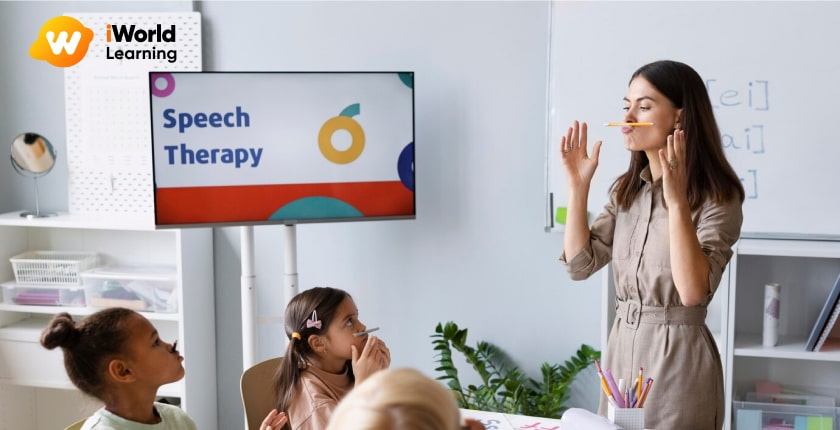
Games create a low-pressure environment. You make mistakes without feeling embarrassed. You repeat phrases naturally because the game requires it. And when learning feels like play, you’re more likely to stick with it.
In this article, we’ll explore how games actually teach you English, what kinds work best, and where to find structured support if you need more than just play.
What Does “Games to Learn English” Actually Mean?
When people search for games to learn English, they usually mean one of three things.
First, digital apps like word games, spelling challenges, or interactive story games. These are designed specifically for language learning. Examples include Scrabble, Wordscapes, or language apps with gamified features.
Second, physical or social games. Board games like Taboo or Pictionary force you to describe, explain, and guess using English. These work well in group settings.
Third, mainstream video games played in English. Multiplayer games like Among Us or role-playing games like The Sims require reading, listening, and communicating in real time.
All three approaches have value. The key is matching the game type to your current English level and learning goals.
Why Games Work for English Learning
Games work because they remove fear. Many adult learners in Singapore worry about sounding wrong or losing face. In a game, the focus shifts from “perfect English” to “winning the game.” That small shift makes a huge difference.
Games also force repetition naturally. In a spelling game, you might see the same word five times in ten minutes. In a classroom, you might see it once a week. Repetition builds memory.
Another reason is motivation. Games give instant feedback. You know right away if you spelled something wrong or used the wrong word. No waiting for a teacher to mark your homework.
Finally, games create context. Words aren’t learned in isolation. You learn “murder” or “alibi” because you’re playing a detective game. That context helps your brain store the word longer.
Types of Games That Build Different English Skills
Not all games to learn English teach the same thing. Here’s a breakdown by skill.
Vocabulary Games
Word search, crossword puzzles, and matching games. These help you recognise and remember words quickly. Apps like WordUp or Quizlet use game mechanics to drill vocabulary.
Grammar Games
Sentence-building games or error-correction challenges. For example, “Finish the sentence” board games or online quizzes that reward correct grammar with points.
Speaking and Pronunciation
Social games like Charades, 20 Questions, or Alias (the “say it without saying it” game). These force you to speak clearly and think in English. Some digital apps also use voice recognition to check pronunciation.
Reading and Comprehension
Story-based games or interactive fiction. Games like “80 Days” or “Lifeline” require reading text and making choices. You learn to understand meaning without stopping to translate.
Listening Skills
Multiplayer online games with voice chat. Among Us, for instance, requires listening to accusations and defending yourself. It’s messy, real-world English—not scripted textbook dialogue.
Digital vs. Physical Games – Which Is Better?
Both have strengths. Digital games offer convenience. You can play on your phone during a Singapore MRT commute. They also provide instant feedback and track your progress.
Physical or social games build real conversation skills. You learn body language, tone, and turn-taking. These are hard to practise alone on a screen.
For balanced progress, try both. Use digital apps daily for 10–15 minutes. Then join a board game meetup or language exchange once a week.
Some language schools in Singapore, such as iWorld Learning, incorporate game-based activities into their English courses. This gives you structured learning plus the fun of games without guessing if you’re doing it right.
How to Choose the Right Game for Your Level
Beginner (A1–A2)
Start with simple word games. Picture-word matching, basic spelling games, or apps like Duolingo. Avoid fast-paced conversation games—they will frustrate you.
Look for games with clear visuals and slow pacing. Mobile games designed for children learning English actually work very well for adult beginners.
Intermediate (B1–B2)
Try story-driven games or social deduction games. Among Us, Werewolf, or Codenames. These require understanding instructions and expressing simple arguments.
You can also play board games like Scrabble with a dictionary allowed. The goal isn’t speed—it’s thinking about word formation.
Advanced (C1–C2)
Play complex role-playing games or strategy games. The Witcher, Disco Elysium, or any game with rich dialogue. Use voice chat in multiplayer games like Valorant or World of Warcraft.
At this level, the game becomes a real communication tool. You learn slang, humour, and cultural references that textbooks never teach.
Can Games Replace Formal English Courses?
No, and they shouldn’t. Games are excellent for practice, confidence, and exposure. But they rarely explain why a sentence is wrong. They also don’t give structured feedback on writing or pronunciation patterns.
Think of games as your gym workout. A course is your personal trainer. The trainer shows you correct form. The gym (games) lets you practise and build strength.
For serious progress—especially if you need English for work, exams, or university—combine games with a structured course. Many learners in Singapore use games for daily practice while attending weekly classes at language centres.
Common Questions About Games to Learn English
Can I really learn English just by playing games?
Yes and no. You can learn vocabulary, listening, and reading skills. But games rarely teach writing or correct grammar mistakes. For complete learning, combine games with a structured course or tutor.
What is the best free game to learn English?
Wordscapes (vocabulary) and Duolingo (gamified lessons) are both free and effective. For social games, join English-speaking rooms in Among Us—the mobile version is free.
How many hours a day should I play to see progress?
Even 15–20 minutes daily helps. Consistency matters more than long sessions. Play short but often. Your brain learns better with daily exposure than one long weekend session.
Are online multiplayer games safe for English practice?
They can be, with precautions. Choose games with text chat only if you’re worried about voice. Avoid sharing personal information. For adults, games like Genshin Impact or Final Fantasy XIV have friendly English-speaking communities.
Final Thoughts
Games to learn English are not just for children or casual learners. They are powerful tools that reduce fear, increase repetition, and make language stick. Whether you prefer mobile word games, board games with friends, or immersive video games, there is an option for every level and personality.
But remember—games are practice, not teaching. For real progress, especially in speaking and writing accuracy, pair your gaming habit with proper guidance. Start with a free game today. Then consider how structured support could take you further.
相关文章
Recommended Reading
Popular Articles
-
English Teacher Salary in Singapore: A Complete 2026 Guide
-
The Ultimate english learning apps Bank: Categorized & Explained
-
British Council IELTS in 2026: What Changed, What It Costs, and How to Prepare
-
IELTS Price in 2026: What Test-Takers Actually Pay (And How to Spend Less)
-
The Complete 2026 Blueprint for O Level English Oral Topics 2026 Format & Strategy
-
IELTS Test Format, Scoring, and Key Changes for 2026 Explained
-
IELTS Exam Fee 2026: Complete Guide to Costs, Payment & Savings
-
PSLE 2026: Complete Guide to Exam Dates, Scoring System, and Preparation Strategies
-
IELTS Test Dates 2026: Monthly Schedule, Booking Strategy, and Prep Timeline
-
The Top 10 Tuition Centres in Singapore (2025) – A Curated Review for Parents & Students
latest articles
-
Internship Request Email: Student's Template
-
Counter-Offer From Your Employer: Responding
-
Award Nomination Email: Nominate a Peer
-
How to Pronounce 'Frites' in English and French Contexts
-
Lucidity: Meaning, Context and Natural Examples
-
Salvation: Meaning in Religious and Everyday Contexts
-
Mitigate Meaning in English: Usage, Grammar and Examples
-
Exit Interview Email: HR Templates
-
Empathic Synonyms: Differences in Meaning and Tone
-
Spelling Practice at Home: What Works