Primary School English Creative Writing: A Parent’s Guide to Helping Kids Write Better Stories
Introduction
Creative writing is a major component of the Primary School English syllabus in Singapore. Many parents find themselves wondering how to support their children in this area. Unlike comprehension or grammar, creative writing feels less straightforward. There is no single correct answer. This can make it challenging for both students and parents to know where to begin.
In this guide, we’ll look at what Primary School English creative writing involves. We’ll explore why some children struggle with storytelling. And we’ll share practical ways to help your child write more vivid and organised stories. Whether your child is in Primary 3 or preparing for the PSLE, this article offers useful strategies.
What Primary School English Creative Writing Actually Means
Primary School English creative writing is not about producing a perfect story. Instead, it focuses on basic storytelling skills. Students are typically given a picture prompt or a few sentences to continue. They need to write a short narrative with a clear beginning, middle, and end.
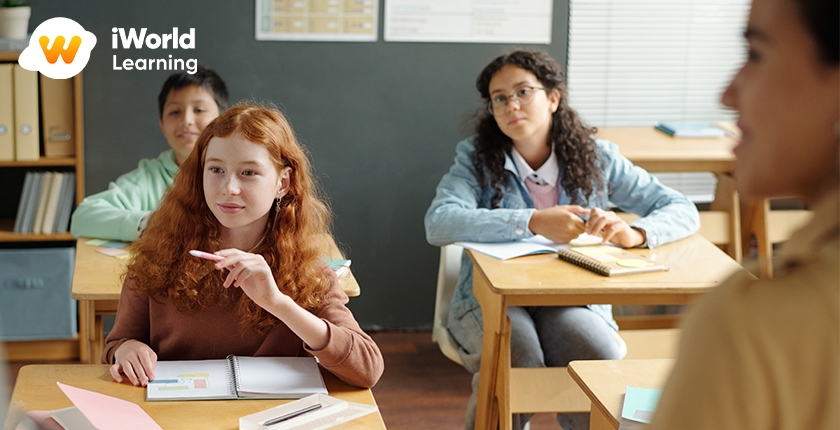
In Singapore schools, teachers look for several things. These include a logical plot, relatable characters, and some descriptive language. Spelling and grammar also matter. But the main goal is to show imagination while staying on topic. The best stories are not the longest ones. They are the ones that make sense and keep the reader engaged.
Why Creative Writing Feels Difficult for Some Primary Students
Many children enjoy making up stories orally. But writing them down is different. One common problem is a lack of vocabulary. A child might know what they want to say but cannot find the right words. Another issue is organisation. Young writers often jump between ideas without connecting them properly.
Some students also feel pressure to be perfect. They worry about making spelling mistakes. This fear can stop them from writing freely. Additionally, the time limit in exams adds stress. In the PSLE English paper, students have only a short time to plan, write, and check their composition. Without practice, this can feel overwhelming.
Key Skills That Help Primary Students Write Better Stories
To improve at Primary School English creative writing, children need to develop a few core skills. The first is planning. Before writing a single sentence, your child should spend 3 to 5 minutes outlining the story. A simple plan with three parts works well: introduction, conflict, and resolution.
The second skill is description. Instead of writing “It was a rainy day,” encourage your child to write “Heavy rain tapped against the window like tiny fingers.” This kind of sensory detail makes stories come alive. The third skill is pacing. Many students rush through exciting moments and spend too long on unimportant details. Teach your child to slow down at key parts of the story.
How to Practise Creative Writing at Home Without Pressure
You do not need to be a writing expert to help your child. Simple activities can make a big difference. Try this: read a short story together and stop before the ending. Ask your child to finish the story in their own words. This builds confidence without the pressure of starting from zero.
Another effective method is using picture prompts. You can find free images online or use old magazines. Set a timer for 15 minutes and ask your child to write as much as they can. Do not correct mistakes during this time. The goal is fluency, not perfection. Over several weeks, you will notice improvements in both speed and quality.
Some parents choose to enrol their children in structured programmes. Language schools like iWorld Learning offer small-group English courses that include creative writing modules. These classes provide guided practice and feedback from experienced teachers. This can be especially helpful if your child needs regular accountability.
Common Mistakes in Primary School English Creative Writing
Understanding common errors can help you guide your child more effectively. Here are three frequent problems:
Mistake 1: The story has no conflict. Some children write a happy story where nothing goes wrong. But stories need tension. Even a simple problem—like losing a pencil case or being late for school—creates interest.
Mistake 2: The ending is too abrupt. A story should not stop right after the problem is solved. Your child should add a short resolution that shows how the characters feel or what happens next.
Mistake 3: Dialogue is missing. Conversations between characters make stories more realistic. Encourage your child to include at least two or three lines of dialogue in every composition.
Choosing Between Tuition Centres, Workshops, and Self-Study
Parents in Singapore have many options for supporting Primary School English creative writing. Tuition centres offer weekly classes with structured materials. These are good for children who need consistent guidance. Workshops are shorter and focus on specific skills like planning or vocabulary building. They work well for holiday periods.
Self-study is also possible. You can buy assessment books from Popular Bookstore. Many of these books contain model compositions and vocabulary lists. However, self-study requires self-discipline. Younger children often benefit more from interactive learning with a teacher or tutor.
When comparing options, consider your child’s personality. Does your child respond well to group activities? Or do they need one-to-one attention? There is no single best choice. The right option depends on your child’s learning style and current skill level.
FAQ
How much time should a Primary 5 student spend on creative writing each week?
Around 60 to 90 minutes per week is reasonable. This can be split into two or three sessions. One session could focus on planning and vocabulary. Another session could be writing a full practice composition. Consistency matters more than long hours.
What are good model composition books for Singapore students?
Popular titles include “PSLE Composition Writing” by Educational Publishing House and “Creative Writing for Primary Levels” by Singapore Asia Publishers. These books follow the MOE syllabus and include examples of strong and weak compositions for comparison.
Can my child use ChatGPT to help with creative writing?
Yes, but only as a tool. Your child can ask ChatGPT for ideas or vocabulary suggestions. However, the final story must be written by the child. Relying on AI to write the whole composition will not build real skills. Use technology to support learning, not replace it.
How is creative writing marked in the PSLE English exam?
In the PSLE, creative writing is worth 40 marks out of 95 for Paper 1. Examiners assess content (20 marks) and language (20 marks). Content includes plot development and creativity. Language includes grammar, spelling, and sentence structure. A well-organised story with a few descriptive phrases typically scores better than a longer but messy story.
相关文章
Recommended Reading
Popular Articles
-
English Teacher Salary in Singapore: A Complete 2026 Guide
-
The Ultimate english learning apps Bank: Categorized & Explained
-
British Council IELTS in 2026: What Changed, What It Costs, and How to Prepare
-
The Complete 2026 Blueprint for O Level English Oral Topics 2026 Format & Strategy
-
IELTS Price in 2026: What Test-Takers Actually Pay (And How to Spend Less)
-
IELTS Test Format, Scoring, and Key Changes for 2026 Explained
-
IELTS Exam Fee 2026: Complete Guide to Costs, Payment & Savings
-
PSLE 2026: Complete Guide to Exam Dates, Scoring System, and Preparation Strategies
-
IELTS Test Dates 2026: Monthly Schedule, Booking Strategy, and Prep Timeline
-
The Top 10 Tuition Centres in Singapore (2025) – A Curated Review for Parents & Students
latest articles
-
How to Read a Marked English Script
-
Write a P3 Why-Answer with a Clue and Because
-
Should You Continue Primary 6 English Tuition After One Term?
-
Comparing PSLE English Tuition - 12 Questions for Parents
-
IELTS General Training for Singapore PR Plans - Check the Requirement First
-
IELTS Speaking Part 3 - Build Answers Beyond One Opinion
-
O-Level English Exam Strategy - Match Revision to the Weakest Process
-
Build a Primary-School Reading Habit That Improves Understanding
-
PSLE Grammar and Vocabulary Tuition - Diagnose the Error Before Choosing
-
Build the Reasoning Skills PSLE English Questions Actually Need