IGCSE English Tuition Centre: What You Need to Know Before Signing Up
If you’re a parent or a secondary school student in Singapore, you’ve probably heard the name repeated quite often: IGCSE English tuition centre. With the Cambridge IGCSE English exams demanding strong analytical writing, comprehension skills, and oral communication, many families look for extra support outside school. But what exactly should you look for? And is tuition always necessary?
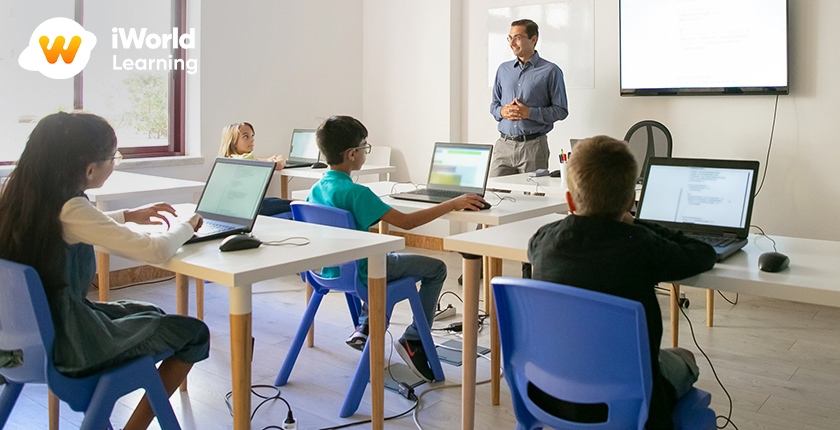
This article walks you through the realistic options, common challenges students face, and how to pick a centre that actually helps you improve—not just one that gives you more worksheets.
Why So Many Students Look for Extra English Support
The IGCSE English curriculum is not like the typical PSLE English paper. It requires students to analyse unseen texts, write argumentative and descriptive essays under timed conditions, and respond to complex speaking tasks. For students who have been used to memorising model compositions, this shift can feel overwhelming.
Additionally, schools often have large class sizes. A teacher with 35 students may not have the time to go through each student’s essay in detail. That’s why many parents start searching for an IGCSE English tuition centre as early as Secondary 3.
But here’s the truth: not every student needs tuition. Some improve simply by reading more widely and practising past papers with a study group. However, for students who struggle with structuring arguments, analysing writer’s techniques, or managing exam time, targeted tuition can make a real difference.
What an IGCSE English Tuition Centre Typically Offers
Most IGCSE English tuition centres in Singapore structure their lessons around three main areas: Paper 1 (Reading and Writing), Paper 2 (Directed Writing and Composition), and the Speaking component. Here’s what you can expect:
Paper 1 support – Close reading of fiction and non-fiction passages. Students learn how to identify implicit meaning, analyse word choices, and compare multiple texts.
Paper 2 preparation – Writing responses to a specific brief, such as a letter, article, or speech. Also includes narrative and descriptive writing practice.
Speaking practice – Individual and group discussions on a given topic, often recorded so students can review their fluency and clarity.
Some centres also run holiday crash courses focusing on exam technique. Others offer weekly small-group classes where the tutor marks one essay per student every week.
For example, some language schools in Singapore, such as iWorld Learning, offer small-group English courses designed to improve communication skills. While they may focus more on general English proficiency, their approach to structured feedback and speaking practice aligns well with IGCSE requirements.
How to Choose the Right IGCSE English Tuition Centre
Not all centres are the same. Here are five practical factors to consider before signing a contract.
1. Tutor’s experience with the IGCSE syllabus
Ask directly: has the tutor taught Cambridge IGCSE English before? Do they know the difference between Core and Extended papers? Some tutors only have experience with the MOE O-Level syllabus, which is similar but not identical. You want someone who can explain the specific assessment objectives of IGCSE.
2. Class size
If a centre places 12 students in one class, your child may receive very little individual feedback. Ideally, look for groups of 6 to 8 students. Some premium centres offer 1-to-1 sessions, but these are significantly more expensive.
3. Marking and feedback quality
Ask to see a sample of marked work. Does the tutor simply write “good” or “needs improvement”, or do they give specific line-by-line comments? The best tutors show you how to rewrite a weak paragraph.
4. Location and schedule
Singapore is small, but travel time matters. A centre in Tampines may not be realistic for a student living in Jurong East, especially during exam season. Many students benefit more from a centre near their school or home.
5. Trial lesson
Reputable centres offer a paid trial lesson, usually at half price. Use this opportunity to observe how the tutor interacts with students. Does the tutor actually teach writing techniques, or do students just sit and complete worksheets silently?
Common Problems Even Good Centres Can’t Fix
Let’s be honest. An IGCSE English tuition centre can teach you essay structures and vocabulary, but it cannot force your child to read. Students who never read English novels, news articles, or opinion pieces will always struggle with unseen texts and creative writing.
Similarly, tuition cannot replace consistent practice. One hour per week at a centre is useful, but if the student does no independent reading or timed essay practice at home, progress will be very slow.
So before enrolling, ask yourself: is your child willing to put in the extra work? If yes, tuition can be a powerful tool. If not, start by building a reading habit first.
Tuition Centre vs Private Tutor vs Self-Study
Many families ask: should I go to an IGCSE English tuition centre or hire a private tutor? Here’s a quick comparison.
| Option | Pros | Cons |
|---|---|---|
| Tuition centre | Structured curriculum, peer learning, lower hourly cost per student | Less individual attention, fixed schedule |
| Private tutor | Fully customised, flexible timing, intensive marking | Higher cost (often 80–150 per hour), quality varies greatly |
| Self-study | Free, flexible, builds independence | No feedback on writing, easy to lose motivation |
For most students, a good tuition centre works well for Paper 1 skills (comprehension and analysis), while a private tutor may be better for Paper 2 writing if the student has very specific weaknesses.
Some families combine both: weekly centre classes for consistent structure, plus occasional private sessions before major exams.
How Much Does an IGCSE English Tuition Centre Cost in Singapore?
Prices vary widely depending on location, tutor qualifications, and class size. Here is a realistic range in 2025:
-
Group tuition (6–10 students): 250–450 for four weekly sessions
-
Small group (3–5 students): 500–700 per month
-
1-to-1 tuition (at a centre): 100–160 per hour
-
Holiday crash course (5 days): 350–600
Always check whether materials are included. Some centres charge extra for worksheets or past paper booklets.
Common Questions About IGCSE English Tuition Centre
When should my child start IGCSE English tuition?
Most students start in Secondary 3, halfway through the IGCSE programme. However, if your child is already scoring below 55% in school exams, starting earlier in Secondary 2 may help build foundational analysis skills before the real pressure begins.
Is IGCSE English harder than MOE O-Level English?
Not exactly—they are just different. IGCSE English focuses more on textual analysis and creative writing, while O-Level emphasises situational writing and summary skills. Students who enjoy reading literature often find IGCSE easier. Students who prefer structured tasks may find O-Level more straightforward.
Can my child improve without tuition?
Yes. Many students improve by reading one news article daily (from The Straits Times or The Guardian), analysing one unseen text per week with a friend, and submitting practice essays to their school teacher for feedback. Tuition is a shortcut, not the only path.
How do I know if a centre is good or just popular?
Ask for data. A good centre will show you sample student improvements, not just testimonials. For example, “three students moved from Grade C to Grade A over six months” is more convincing than “five-star reviews on Google.” Also, talk to current students outside the centre, not just the sales staff.
Final Thoughts
Choosing an IGCSE English tuition centre in Singapore is not about finding the most expensive or most advertised option. It’s about finding a place where your child actually learns to think critically, write clearly, and speak with confidence. Visit two or three centres. Ask to watch part of a lesson. Talk to the tutor directly. And remember: the best tuition in the world cannot replace daily reading and honest effort. If your child is ready to work, the right centre can make a genuine difference.
相关文章
Recommended Reading
Popular Articles
-
English Teacher Salary in Singapore: A Complete 2026 Guide
-
The Ultimate english learning apps Bank: Categorized & Explained
-
British Council IELTS in 2026: What Changed, What It Costs, and How to Prepare
-
IELTS Price in 2026: What Test-Takers Actually Pay (And How to Spend Less)
-
The Complete 2026 Blueprint for O Level English Oral Topics 2026 Format & Strategy
-
IELTS Test Format, Scoring, and Key Changes for 2026 Explained
-
IELTS Exam Fee 2026: Complete Guide to Costs, Payment & Savings
-
PSLE 2026: Complete Guide to Exam Dates, Scoring System, and Preparation Strategies
-
IELTS Test Dates 2026: Monthly Schedule, Booking Strategy, and Prep Timeline
-
The Top 10 Tuition Centres in Singapore (2025) – A Curated Review for Parents & Students
latest articles
-
Internship Request Email: Student's Template
-
Counter-Offer From Your Employer: Responding
-
Award Nomination Email: Nominate a Peer
-
How to Pronounce 'Frites' in English and French Contexts
-
Lucidity: Meaning, Context and Natural Examples
-
Salvation: Meaning in Religious and Everyday Contexts
-
Mitigate Meaning in English: Usage, Grammar and Examples
-
Exit Interview Email: HR Templates
-
Empathic Synonyms: Differences in Meaning and Tone
-
Spelling Practice at Home: What Works