English Oral Exam Tuition in Singapore: Helping Students Speak with Confidence and Structure
Quick Answer: English oral examination tuition helps students improve their performance in the structured speaking component of PSLE and O-Level English by providing regular, guided practice in a format that mirrors examination conditions — responding to a stimulus, structuring a spoken response, and engaging in follow-up conversation — with immediate, specific feedback from a qualified teacher. Small-group tuition is particularly effective for oral preparation because it provides both teacher feedback and peer interaction that replicates the examiner-student dynamic.
Of the four English papers, oral communication is the one that students practise least — and the one where structured practice produces the fastest improvement. A student can write compositions and complete comprehension passages at home. But practising an oral examination at home, with a parent playing the role of examiner, rarely replicates the pressure and unpredictability of the real thing. The parent knows the child too well, the setting is too comfortable, and the feedback — however well-intentioned — may not target the specific criteria that examiners use to assess performance.
This article explains what the PSLE and O-Level English oral examinations actually test, the most common mistakes that cost students marks, and how targeted oral tuition can build the skills and confidence that lead to better performance.
What the English Oral Examination Actually Tests
The English oral examination is a formal assessment of a student's ability to understand and respond to a stimulus — a picture at PSLE level, a video or audio clip at O-Level — and to engage in a structured conversation with an examiner on a related topic. It measures fluency, pronunciation, the quality and organisation of ideas, and the ability to interact naturally rather than deliver a rehearsed monologue.
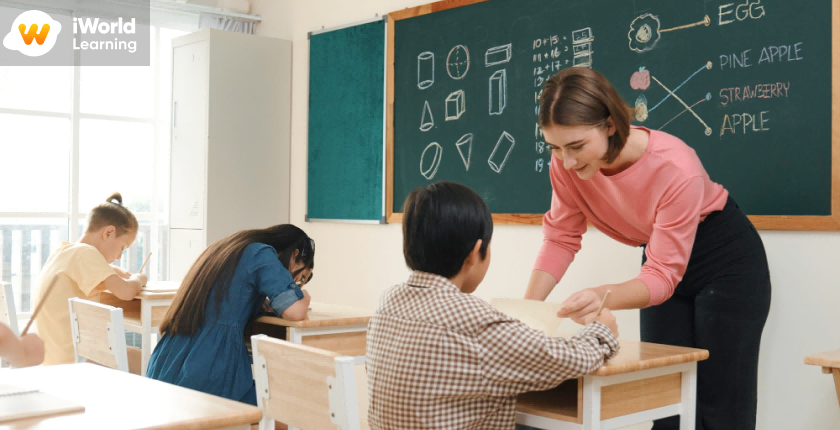
At the PSLE level, the oral component comprises reading aloud and a stimulus-based conversation built around a picture. The student is assessed on pronunciation, articulation, fluency, and the ability to interpret and elaborate on what they see. At the O-Level, students watch a short video or listen to an audio clip and deliver a planned response, followed by a spoken interaction segment where the examiner asks follow-up questions. Assessment covers clarity of expression, depth of personal response, and the ability to engage in a genuine two-way conversation.
In both formats, students are not assessed on whether they hold the "correct" opinion — they are assessed on how well they express and support whatever opinion they offer. This is a liberating insight that many students never receive: there is no wrong answer in oral communication, only insufficiently explained answers.
Common Mistakes That Cost Oral Examination Marks
| Mistake | What It Looks Like | How Tuition Addresses It |
|---|---|---|
| Under-elaboration | Student gives a one-sentence answer and stops, waiting for the next question | Teach the PEEL structure for oral responses: Point, Elaborate, Example, Link back — adapted for spoken delivery |
| Memorised responses | Student delivers a rehearsed speech that does not quite answer the actual question asked | Practise responding to unexpected follow-up questions; focus on flexible thinking over scripted answers |
| Monotone or rushed delivery | Nerves cause flat intonation or accelerated speech that is difficult to follow | Regular low-stakes practice in every session builds comfort; teacher gives feedback on pace and expression |
| Avoidance of personal opinion | Student gives safe, generic answers without personal connection to the topic | Encourage personal response — examiners reward genuine engagement with the stimulus over neutral description |
| Weak listening during interaction | Student answers a different question from the one the examiner asked because they were focused on what to say next | Practise active listening — paraphrase the question before answering to confirm understanding before responding |
Why Small-Group Tuition Is Particularly Effective for Oral Preparation
Oral communication is the English component where the tuition format matters most. One-to-one practice with a tutor has the advantage of individual attention, but it lacks the peer dynamic that the actual examination involves: responding to someone you do not know well, under observation, with the social pressure of being evaluated. Small-group tuition — four to eight students — provides the best approximation of examination conditions because the student practises speaking in front of peers, hears different approaches to the same stimulus, and receives both teacher and peer feedback.
In a well-run small-group oral tuition session, each student speaks multiple times. The teacher presents a stimulus, gives thinking time, and calls on different students to respond. After each response, the teacher gives one or two specific points of feedback — "good use of a personal example, try varying your pace in the middle section" — before moving to the next student. Over the course of a term, each student accumulates dozens of speaking opportunities with immediate feedback, far more than they would receive in a classroom of 30 or in solo practice at home.
iWorld Learning incorporates regular oral practice into all its English programmes, from primary through secondary levels. Small-group classes taught by internationally certified teachers give each student frequent opportunities to speak, respond to questions, and receive individual feedback — building the fluency, confidence, and adaptive thinking that oral examinations reward. The small-group format is central to this approach: every student speaks in every session, and the teacher knows each student's specific oral communication strengths and areas for improvement.
FAQ
How much weight does the oral component carry in PSLE and O-Level English?
At PSLE, the oral component accounts for approximately 15 percent of the total English grade. At O-Level, Paper 4 (Oral Communication) carries a similar weight. While this is less than composition and comprehension, oral is a component where targeted practice produces rapid improvement — students often gain more marks per hour of preparation in oral than in any other paper because the gap between their current and potential performance is larger and more easily closed with structured practice.
How often should my child practise oral communication before the examination?
Short, frequent practice is more effective than long, occasional sessions. Two or three 15-minute practice sessions per week, spread across the term, produce better results than a two-hour intensive session the week before the examination. If your child attends English tuition, check that oral practice is part of every weekly session, not an occasional add-on. Consistent, low-stakes practice normalises the experience of speaking under observation and reduces the anxiety that causes the most common oral examination mistakes.
Can I help my child prepare for the oral examination at home?
Yes, and home practice is a valuable supplement to tuition. Use past-year stimuli — pictures or video clips — and ask your child to respond as they would in the examination. Give them thinking time (the examination allows this), then listen without interrupting. After they finish, give one positive comment and one specific suggestion, not a list of everything that could be better. The goal of home practice is to build comfort and volume, while tuition provides the expert, criteria-aligned feedback that drives improvement.
Summary
English oral examination tuition addresses a component that is consistently under-practised and over-anxietised — but one where structured preparation produces rapid, measurable improvement. The oral examination rewards fluency, elaboration, personal engagement, and the ability to sustain a genuine conversation — all skills that develop through frequent, low-stakes practice with specific feedback, exactly what a well-designed small-group tuition programme provides. For students who freeze, under-elaborate, or deliver memorised scripts that miss the question, targeted oral tuition can transform the oral component from a source of anxiety into a source of marks within a single term.
To understand how oral communication is integrated into iWorld Learning's English programmes, contact the team or book a trial session at the Tanjong Pagar or Somerset campus to experience a small-group class.
相关文章
Recommended Reading
Popular Articles
-
English Teacher Salary in Singapore: A Complete 2026 Guide
-
The Ultimate english learning apps Bank: Categorized & Explained
-
British Council IELTS in 2026: What Changed, What It Costs, and How to Prepare
-
IELTS Price in 2026: What Test-Takers Actually Pay (And How to Spend Less)
-
The Complete 2026 Blueprint for O Level English Oral Topics 2026 Format & Strategy
-
IELTS Test Format, Scoring, and Key Changes for 2026 Explained
-
IELTS Exam Fee 2026: Complete Guide to Costs, Payment & Savings
-
PSLE 2026: Complete Guide to Exam Dates, Scoring System, and Preparation Strategies
-
IELTS Test Dates 2026: Monthly Schedule, Booking Strategy, and Prep Timeline
-
The Top 10 Tuition Centres in Singapore (2025) – A Curated Review for Parents & Students
latest articles
-
My Child Hates Writing: A Parent's Repair Plan
-
Primary English Tuition Fees in Singapore: Cost Drivers
-
Choosing a Primary 1 English Class in Singapore
-
Tuition Deposits and Notice Periods: A Parent Checklist
-
Helping With Composition at Home: Mistakes to Avoid
-
Synonyms for 'Nervous': Match the Word to the Worry
-
'Fleetwood' as a Family Name: Origin and Usage
-
PSLE Composition Ideas: Build a Story Bank That Works
-
PSLE AL Scoring: Plan Practice Around the Bands
-
One-to-One vs Group TOEFL Prep: Costs and Fit