What Parents Ask Before Choosing the Best Phonics Class in Singapore
Introduction
You have probably seen the flyers outside shopping malls. “Learn to read in 8 weeks!” “Guaranteed results!” “Fun phonics for kids!” It all sounds promising. But when you actually start searching for the best phonics class in Singapore, the number of options can feel overwhelming.
Some centres charge over $600 per term. Others offer trial lessons for just $20. How do you tell which one actually teaches your child to read?
This guide takes a practical approach. Instead of listing every phonics provider in Singapore, we will walk through a simple decision-making process. By the end, you will know exactly what to look for, what questions to ask, and where to find reliable programmes that match your child’s learning style.
Step 1: Understand Your Child’s Current Reading Level
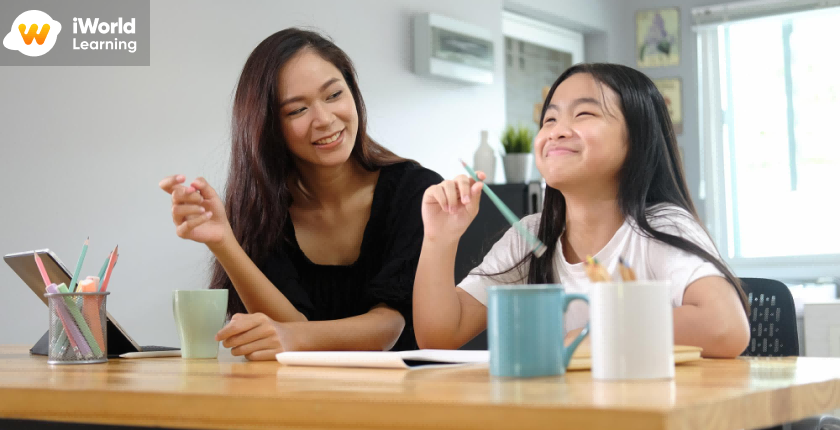
Before comparing any phonics class, take ten minutes to observe your child with a simple picture book.
Can they recognise any letters? Do they know that the letter “m” makes a “mmm” sound? Or are they still pointing at words and guessing based on pictures?
These observations matter because phonics classes are not one-size-fits-all. A four-year-old who knows no letter sounds needs a different programme than a six-year-old who can already read simple words like “cat” and “dog” but gets stuck on “bright” or “cloud.”
Some children also struggle with phonemic awareness—the ability to hear and manipulate individual sounds in words. If your child cannot tell that “bat,” “cat,” and “hat” share the same ending sound, they may need a class that spends extra time on listening exercises before introducing written letters.
Write down three specific things your child can do and three things they find difficult. This simple list will help you ask better questions when you call up potential centres.
Step 2: Explore Different Types of Phonics Programmes in Singapore
Singapore offers three main types of phonics instruction. Each suits different learners.
Type one: Synthetic phonics classesThese teach children to pronounce sounds individually, then blend them together. For example, a child learns /c/, /a/, /t/ separately, then says “cat.” This is the most researched method and works well for most children. The best phonics class in Singapore for struggling readers often uses this approach.
Type two: Analytic phonics classesChildren learn to analyse whole words and spot common patterns. They might learn “bat,” “cat,” “fat” together and figure out the “at” sound. This works better for children who already have some reading ability and enjoy spotting patterns naturally.
Type three: Embedded phonics classesReading instruction happens within authentic stories. The teacher points out letter-sound relationships as they appear in children’s books. This feels less structured but can motivate reluctant readers who dislike drills.
Most reputable centres in Singapore combine synthetic phonics with some analytic elements. But if you visit a trial class and cannot tell which method they use, ask directly. A confident teacher will explain their approach clearly.
Step 3: Compare Key Features of Shortlisted Centres
Once you have identified three or four potential phonics classes, create a simple comparison table. Here are the features that actually predict success.
Class sizeLook for ratios of one teacher to no more than six to eight students. In larger groups, children who struggle often hide at the back. Smaller groups mean the teacher can hear each child pronounce sounds correctly.
Teacher qualificationsAsk whether the instructor has specific training in phonics instruction, not just a general teaching degree. In Singapore, some centres employ teachers with certificates from the UK’s Phonics Training Institute or similar accredited programmes. Others rely on centre-developed materials without formal phonics pedagogy.
Lesson structureA good phonics session follows a predictable rhythm: review previous sounds, introduce one new sound, practise blending, apply in a short book, then a quick game. If the trial lesson feels chaotic or spends twenty minutes on colouring worksheets, keep looking.
Progress trackingHow will you know your child is improving? The centre should offer regular assessments, not just term-end reports. Some schools in Singapore, such as iWorld Learning, provide monthly progress updates and demonstrate exactly which sounds and blending skills your child has mastered.
Makeup policyYoung children get sick. Family trips happen. Ask about makeup lessons before you enrol. Flexible policies save money and reduce stress.
Step 4: Attend Trial Lessons With a Checklist
Most phonics centres in Singapore offer paid or free trial sessions. Do not skip this step. But do not just sit and smile politely either. Bring this checklist instead.
During the trial, observe:
-
Does the teacher correct pronunciation gently? Children need specific feedback like “try putting your tongue behind your teeth for /th/” not just “good job.”
-
Do all children participate, or do the same two students answer every question?
-
Is there a visual phonics component? Many effective programmes use hand signs or letter cards to reinforce sounds.
-
Does the teacher check for understanding before moving on? Or do they rush through six sounds in thirty minutes?
Also notice your child’s reaction. Some children love games and songs. Others prefer quiet, focused work. A class that engages your neighbour’s energetic son might overwhelm your thoughtful daughter. The best phonics class in Singapore for your family is the one where your child feels safe enough to try, fail, and try again.
After the trial, ask yourself honestly: Could I teach this at home with a $30 book? If the answer is yes, save your money. Pay for expertise you cannot easily replicate yourself.
Step 5: Consider Location and Schedule Realistically
This step sounds boring. But it matters more than most parents admit.
A phonics class in Tampines will not help you if you live in Jurong East. And a Saturday morning class sounds great until you realise your child is exhausted from Chinese enrichment the day before.
Map out your typical week. Identify three time slots when your child is alert—not right after full-day school or just before dinner when hunger hits. Then search for centres within a fifteen-minute drive or MRT ride from your home or workplace.
Some parents choose online phonics classes to skip travel time entirely. Live online sessions with small groups can work well for children aged five and above who can sit still for twenty minutes. But for very young learners or children with attention difficulties, in-person classes usually produce better results because the teacher can physically adjust hand positions for letter formation and use tactile materials like sand trays or magnetic letters.
FAQ
At what age should my child start phonics classes in Singapore?
Most children are ready between four and five years old. Some three-year-olds benefit from listening games and sound play, but formal blending instruction works better once children can sit for ten to fifteen minutes of focused work. Starting too early rarely helps and may create frustration.
How long does it take to see results from a phonics class?
With consistent twice-weekly lessons and ten minutes of daily home practice, most children show noticeable improvement in eight to twelve weeks. They should recognise ten to twenty letter sounds and attempt to blend simple CVC words like “dog” or “sun.” If you see no progress after four months, consider switching programmes.
Are expensive phonics classes better than affordable ones?
Price does not reliably predict quality. Some premium centres charge for fancy waiting areas and branded workbooks but employ inexperienced teachers. Conversely, community centres and some smaller schools offer effective instruction at lower prices. Focus on teacher training and class size rather than monthly fees.
Can I teach phonics at home instead of enrolling in a class?
Yes, using resources like the Jolly Phonics handbook or Read Write Inc. materials. However, many parents struggle with consistency and correcting pronunciation errors. If you have the time and patience, home teaching works well. If your child resists learning from you, a neutral teacher in a classroom setting often proves more effective.
相关文章
Recommended Reading
Popular Articles
-
English Teacher Salary in Singapore: A Complete 2026 Guide
-
The Ultimate english learning apps Bank: Categorized & Explained
-
British Council IELTS in 2026: What Changed, What It Costs, and How to Prepare
-
IELTS Price in 2026: What Test-Takers Actually Pay (And How to Spend Less)
-
The Complete 2026 Blueprint for O Level English Oral Topics 2026 Format & Strategy
-
IELTS Test Format, Scoring, and Key Changes for 2026 Explained
-
IELTS Exam Fee 2026: Complete Guide to Costs, Payment & Savings
-
PSLE 2026: Complete Guide to Exam Dates, Scoring System, and Preparation Strategies
-
IELTS Test Dates 2026: Monthly Schedule, Booking Strategy, and Prep Timeline
-
The Top 10 Tuition Centres in Singapore (2025) – A Curated Review for Parents & Students
latest articles
-
Internship Request Email: Student's Template
-
Counter-Offer From Your Employer: Responding
-
Award Nomination Email: Nominate a Peer
-
How to Pronounce 'Frites' in English and French Contexts
-
Lucidity: Meaning, Context and Natural Examples
-
Salvation: Meaning in Religious and Everyday Contexts
-
Mitigate Meaning in English: Usage, Grammar and Examples
-
Exit Interview Email: HR Templates
-
Empathic Synonyms: Differences in Meaning and Tone
-
Spelling Practice at Home: What Works