Creative Writing Classes for Primary Students in Singapore: How to Choose the Right Program
Why Creative Writing Matters for Primary School Students in Singapore
Creative writing is more than just an academic exercise—it shapes how children think, communicate, and express themselves. In Singapore's education system, writing proficiency directly impacts PSLE English scores, where the Continuous Writing component alone accounts for 36 marks. Beyond exams, children who develop strong writing skills gain confidence in articulating ideas, a benefit that extends well into secondary school and future careers.
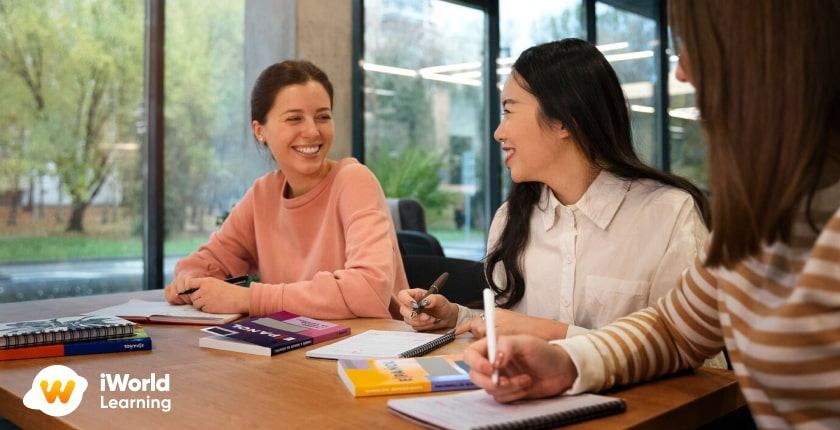
For parents searching for creative writing classes for primary students in Singapore, the challenge isn't finding a center—it's finding one that genuinely builds writing ability rather than drilling templates. The right program teaches children to generate ideas independently, structure their thoughts logically, and use language with precision.
What Holds Most Children Back in Writing
Before choosing a class, it helps to understand where children typically struggle. Based on what established writing centers in Singapore observe, the most common obstacles include:
- Blank page syndrome: Children don't know how to start or develop a story idea
- Vocabulary gaps: They understand concepts but can't find the right words to express them
- Structural confusion: Stories lack a clear beginning, middle, and end
- Exam anxiety: Under timed conditions, even capable students produce disorganized work
- Reading reluctance: Limited exposure to quality writing limits their own output
Addressing these gaps requires more than memorizing "good phrases." It demands systematic training in idea generation, story architecture, and language control—all areas where a well-designed creative writing class adds real value.
Parents often notice these struggles during home practice sessions, when a child stares at a blank page for twenty minutes or produces a composition that reads more like a list of events than a narrative. These are not signs of low ability—they indicate specific, teachable skills that the right writing program can systematically develop.
Key Skills a Quality Writing Program Should Cover
The best creative writing programs in Singapore share several training priorities that go beyond surface-level composition tips:
Show, Don't Tell
Instead of writing "John was scared," students learn to write "John's hands trembled as cold sweat trickled down his forehead." This technique—the single most impactful writing skill at the primary level—transforms flat statements into vivid scenes. Centers like Writers Studio and Writers at Work make this a cornerstone of their curriculum, and it directly affects PSLE composition scores.
Story Planning Methods
The "Story Mountain" approach (introduction, rising action, climax, falling action, resolution) and the "5W1H" framework (Who, What, When, Where, Why, How) give children concrete tools to plan before they write. Students who spend 5–10 minutes planning consistently produce more coherent and focused compositions.
Sensory Description and Figurative Language
Strong writing engages multiple senses. Rather than "The beach was nice," students learn to write "Golden sand warmed my toes while seagulls squawked overhead." Similes, metaphors, and personification add depth that examiners reward.
Vocabulary Expansion Through Context
Effective programs don't just hand students vocabulary lists. They teach new words within thematic contexts—weather, emotions, settings—so children learn when and how to use them naturally. This is far more effective than rote memorization of "impressive phrases." For instance, a lesson on describing anger might introduce "fuming," "clenched fists," and "voice trembled with rage," giving students a palette of expressions rather than a single synonym.
Paragraphing and Pacing
Proper paragraphing is a scoring criterion in PSLE compositions, yet many students submit single-block texts or break paragraphs randomly. Quality programs teach children to paragraph for purpose: a new paragraph for each shift in time, location, speaker, or idea. This seemingly simple skill dramatically improves readability and examiner perception of organisation.
How Singapore's Top Creative Writing Programs Compare
Singapore has over a dozen established centers offering creative writing for primary students. Here's how the landscape breaks down:
| Provider | Program Focus | Key Feature | Levels |
|---|---|---|---|
| Writers Studio | Starbright Programme | Designed by school teachers, progressive curriculum | Pri 1–PSLE |
| Writers at Work | English Composition | Structured storytelling since 2012 | Pri–Sec |
| AGrader | Creative Writing + EverLoop | MOE-aligned with free after-class resources | Pri 2–6 |
| Julia Gabriel | Think N' Ink | Language arts approach | Nursery–Pri 6 |
| The Write Connection | Writing & Thinking | Critical thinking integration | Pri 1–6 |
| Write Edge | Composition Writing | Small group instruction | Pri 3–6 |
Most of these centers align their curriculum with the latest MOE syllabus and specifically prepare students for the PSLE English Paper 1 format, where students receive three pictures and a theme to craft a narrative of at least 150 words. Top-scoring compositions typically range from 200 to 350 words. Understanding this assessment format helps parents evaluate whether a program's teaching approach will translate into exam results.
Prices across these centers typically range from $60 to $180 per month depending on level, class size, and whether materials are included. Some centers like AGrader bundle after-class revision resources at no extra cost, which can be a practical consideration for families budgeting enrichment activities.
What to Look for When Choosing a Creative Writing Class
Not all writing programs are created equal. Parents evaluating options should consider these practical factors:
- Curriculum structure: Does the program follow a clear progression from lower to upper primary? Children need foundational skills reinforced before advancing to complex techniques.
- Teacher quality: Are instructors experienced in ESL teaching with relevant certifications? Look for programs designed or led by former MOE teachers.
- Feedback frequency: Weekly, detailed feedback on compositions is non-negotiable. Students improve fastest when they understand exactly what to fix.
- Class size: Smaller classes (6–10 students) allow teachers to give meaningful individual attention. Large lectures rarely produce strong writers.
- Format flexibility: Many centers now offer both online and in-person options, which matters for busy family schedules.
- Assessment alignment: The program should explicitly prepare for both Continuous Writing and Situational Writing components of the PSLE.
How iWorld Learning Supports Young Writers
For families seeking an English education provider that understands both exam demands and genuine language development, iWorld Learning offers creative writing instruction as part of its Kids & Teens programme. The centre's approach integrates several elements that matter for primary writing development:
- Small class sizes ensure every student receives individualized attention and regular writing feedback, avoiding the "passive learning" problem common in larger centres
- CEFR-based assessments place each child at the right starting level, so beginners aren't overwhelmed and advanced students aren't held back
- Immersive methodology uses real-world scenarios and engaging prompts rather than rote drills, helping children develop genuine creative instincts
- Experienced ESL instructors with international certifications who understand the specific challenges Asian learners face with English writing
iWorld Learning's philosophy emphasizes "instant application"—students practice skills they can use immediately in school compositions and exams, not abstract exercises disconnected from real writing tasks.
Practical Tips Parents Can Use at Home
While a good creative writing class provides structured guidance, parents play a crucial supporting role. Here are evidence-based strategies that complement classroom learning:
- Encourage wide reading: Children who read regularly write better. Expose them to different genres—stories, newspapers, comics—anything that builds language exposure.
- Practice timed writing at home: Set a 50-minute timer and have your child write a full composition. This builds the stamina and time management needed for exams.
- Discuss stories together: After watching a movie or reading a book, ask your child to retell the story in their own words. This builds narrative sequencing skills.
- Celebrate effort over perfection: Praise specific improvements—"Your description of the storm was really vivid"—rather than focusing only on grades.
- Build a word bank: Help your child maintain a personal notebook of interesting words and phrases they encounter, organized by theme or emotion.
Making the Right Choice for Your Child
Finding the right creative writing classes for primary students in Singapore comes down to matching the program to your child's specific needs. A child who struggles with idea generation needs a program that emphasizes brainstorming and story planning. A child with adequate ideas but weak language needs vocabulary development and technique training.
Start by assessing where your child stands today, then look for a program that addresses those gaps directly. Whether you choose a specialist writing centre, a general English enrichment provider like iWorld Learning, or a combination of both, the key is consistency—regular practice with quality feedback, sustained over months, produces the most reliable improvement.
The investment in writing skills pays dividends far beyond the PSLE. Children who learn to write well develop clearer thinking, stronger communication, and greater confidence—skills that serve them for life.
相关文章
Recommended Reading
Popular Articles
-
English Teacher Salary in Singapore: A Complete 2026 Guide
-
The Ultimate english learning apps Bank: Categorized & Explained
-
British Council IELTS in 2026: What Changed, What It Costs, and How to Prepare
-
IELTS Price in 2026: What Test-Takers Actually Pay (And How to Spend Less)
-
The Complete 2026 Blueprint for O Level English Oral Topics 2026 Format & Strategy
-
IELTS Test Format, Scoring, and Key Changes for 2026 Explained
-
IELTS Exam Fee 2026: Complete Guide to Costs, Payment & Savings
-
PSLE 2026: Complete Guide to Exam Dates, Scoring System, and Preparation Strategies
-
IELTS Test Dates 2026: Monthly Schedule, Booking Strategy, and Prep Timeline
-
The Top 10 Tuition Centres in Singapore (2025) – A Curated Review for Parents & Students
latest articles
-
Internship Request Email: Student's Template
-
Counter-Offer From Your Employer: Responding
-
Award Nomination Email: Nominate a Peer
-
How to Pronounce 'Frites' in English and French Contexts
-
Lucidity: Meaning, Context and Natural Examples
-
Salvation: Meaning in Religious and Everyday Contexts
-
Mitigate Meaning in English: Usage, Grammar and Examples
-
Exit Interview Email: HR Templates
-
Empathic Synonyms: Differences in Meaning and Tone
-
Spelling Practice at Home: What Works