What Makes Secondary English Tuition in Singapore Different from Primary English
Introduction
As students move from primary to secondary school in Singapore, the English language syllabus undergoes a significant shift. The transition is not just about harder words or longer comprehension passages—it represents a fundamental change in how students are expected to think, write, and analyse. Many parents notice their children struggling with English for the first time during Secondary 1, even if they did well in PSLE.
This is where secondary English tuition in Singapore becomes a relevant consideration for many families. It addresses a different set of challenges from primary-level English support.
The Real Difference Between Primary and Secondary English
The most noticeable difference is the emphasis on critical thinking. In primary school, English focuses on foundational skills—grammar rules, vocabulary building, and basic comprehension. Students learn to identify information directly from passages.
Secondary English, however, expects students to infer, evaluate, and synthesise. A comprehension question at the secondary level rarely asks "What colour was the dress?" Instead, it asks "Why did the author choose to describe the dress in this way?" This shift catches many students off guard.
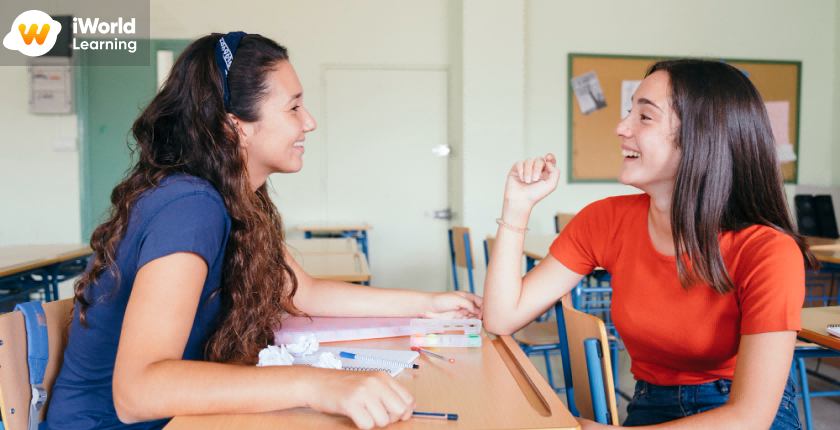
Another key difference is writing expectations. Primary students write personal recounts and simple narratives. Secondary students must craft expository essays, argumentative pieces, and situational writing that requires them to adopt specific tones and perspectives. The assessment criteria become more demanding, with greater weight placed on organisation, language use, and depth of content.
Why Many Students Struggle with the Transition
The transition year—Secondary 1—is often the most challenging. Students are adjusting to a new school environment, more subjects, and higher expectations across the board. For English specifically, the reading level increases significantly. Texts become more sophisticated, drawing from a wider range of genres including literary fiction, news articles, and historical accounts.
Some students who relied heavily on rote learning in primary school find that this approach no longer works. Secondary English rewards students who can think independently and express their ideas clearly. It is not enough to memorise model essays—although exposure to good writing helps.
Additionally, the oral communication component evolves. Students are now evaluated on their ability to engage in discussions, express opinions on current affairs, and respond to visual stimuli with nuance. This requires confidence and practice that not all students get in a large classroom setting.
Available Options for Secondary English Tuition in Singapore
There are several tuition formats available for parents and students to consider, each with its own strengths.
Group tuition centres are a popular choice. These centres often follow a structured curriculum aligned with the MOE syllabus. Class sizes vary, but smaller groups of 6 to 10 students generally allow for more interaction. Students benefit from peer learning and exposure to different viewpoints, which can be helpful for developing argumentative skills.
One-to-one private tuition offers a more customised approach. The tutor can target specific weaknesses—whether it is comprehension skills, essay structure, or oral fluency. This format works well for students who need intensive support or have very specific learning gaps.
Online tuition has gained traction in recent years. Platforms offering secondary English tuition in Singapore now provide live sessions, recorded lessons, and digital resources. This option suits students who prefer flexible scheduling or learn better with interactive digital tools. However, it requires self-discipline and a conducive learning environment at home.
Language schools like iWorld Learning offer English courses that may supplement school-based learning, particularly for students who need additional practice in writing and speaking. These programmes often take a communicative approach, which can be beneficial for students who lack confidence in using English actively.
How to Choose the Right Tuition for Your Child
Selecting the right support depends on your child's unique needs. Start by identifying their specific areas of difficulty. Is it grammar and vocabulary? Comprehension and inference? Essay writing? Oral communication? Knowing this helps narrow down the type of tuition that will be most effective.
Consider your child's learning style. Some thrive in group settings where they can bounce ideas off classmates. Others need quiet, focused attention and benefit from individual coaching. A student who is easily distracted might not do well in a large tuition centre, while a student who needs more practice with spoken English might benefit from a small group that encourages discussion.
Also evaluate practical factors such as location, schedule, and budget. Many tuition centres in Singapore are conveniently located near MRT stations, but commuting time still adds up. Some parents prefer centres within walking distance of their child's school to minimise travel fatigue.
Before committing, request a trial lesson or consultation. This allows you to observe the teaching style and assess whether it matches your child's needs. A good tutor should be able to explain concepts clearly and engage the student actively. Chemistry between tutor and student matters—if your child feels comfortable asking questions and making mistakes, learning becomes more effective.
Timing and Consistency
Consistency is often more important than intensity. One focused session per week, combined with regular practice, can yield better results than multiple crash sessions right before exams. Many tuition centres run weekly programmes that align with the school term, allowing students to progress steadily throughout the year.
It is worth noting that holiday programmes can be valuable for addressing gaps or preparing for the next academic year. Some parents choose to use the June or December holidays to build foundational skills that will support their child through the coming semesters.
Common Questions About Secondary English Tuition in Singapore
When should I start considering secondary English tuition for my child?
The best time to start is when you first notice signs of struggle—perhaps after the first few months of Secondary 1, or even earlier during the PSLE preparation period if you anticipate the transition will be challenging. Early intervention helps students adapt to the new syllabus before gaps widen into more significant problems.
What is the average cost of secondary English tuition in Singapore?
Costs vary widely depending on the tutor's qualifications and the tuition format. Group tuition at centres typically ranges from SGD 300 to SGD 600 per month. Private tutors charge between SGD 50 and SGD 120 per hour. Online platforms may offer more flexible pricing, including packages or subscription models.
How can I tell if my child needs help with English or is just adjusting to secondary school?
Give your child time to settle in—usually the first term. If they continue to score significantly lower than expected despite consistent effort, or if they express anxiety about English lessons, it may be time to seek additional support. Comparing their performance with peers and checking in with their school teacher can provide valuable context.
Is secondary English tuition better in group classes or one-to-one sessions?
This depends on your child's personality and learning gaps. Group classes are cost-effective and encourage peer learning, which can be beneficial for discussion-based components. One-to-one sessions offer customised attention and are ideal for students who need targeted intervention on specific areas like essay writing or comprehension techniques.
Related Articles
Recommended Reading
Popular Articles
-
English Teacher Salary in Singapore: A Complete 2026 Guide
-
The Ultimate english learning apps Bank: Categorized & Explained
-
British Council IELTS in 2026: What Changed, What It Costs, and How to Prepare
-
IELTS Price in 2026: What Test-Takers Actually Pay (And How to Spend Less)
-
The Complete 2026 Blueprint for O Level English Oral Topics 2026 Format & Strategy
-
IELTS Test Format, Scoring, and Key Changes for 2026 Explained
-
IELTS Exam Fee 2026: Complete Guide to Costs, Payment & Savings
-
PSLE 2026: Complete Guide to Exam Dates, Scoring System, and Preparation Strategies
-
IELTS Test Dates 2026: Monthly Schedule, Booking Strategy, and Prep Timeline
-
The Top 10 Tuition Centres in Singapore (2025) – A Curated Review for Parents & Students
latest articles
-
Story Mountains for Primary Writing: A Practical Guide
-
How to Use 'Indicted' Accurately in English
-
Plan TOEFL iBT Practice Around the Full Test Cost
-
Review Small-Group PSLE Oral Practice with Useful Evidence
-
PSLE English Format Review: Fix Repeated Preparation Mistakes
-
How to Ask a Client for a Testimonial: Email
-
Review TOEFL Practice Results Without Chasing Scores
-
How to Read Spanish Dictionary Definitions and Examples
-
When an Intensive English Course Is the Right Choice
-
A Reliable Planning Method for IELTS General Training Letters