Trying to Pick an Alphabet and Phonics Class SG Parents Need to Know
You have probably noticed your child starting to show interest in letters. Maybe they point at words on a cereal box or try to copy what you write. That curiosity is a natural signal that they might be ready for more structured learning.
Many parents in Singapore find themselves standing at this crossroads. They know early literacy matters, but they are not sure what kind of class actually helps. An Alphabet and Phonics Class SG can be the bridge between casual home exposure and real reading ability. However, not every programme delivers the same results.
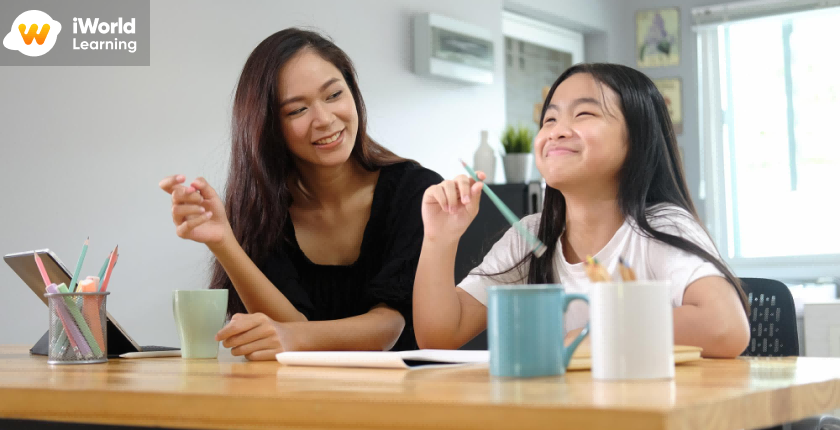
This article walks you through what parents typically look for, what to expect from different providers, and how to choose something that fits your child’s pace.
What an Alphabet and Phonics Class Actually Covers
Some parents assume these classes only teach the ABC song. That is only a small part.
A well-designed programme focuses on three things. First, letter recognition — knowing what each letter looks like in both uppercase and lowercase forms. Second, phonemic awareness — understanding that letters make specific sounds. Third, blending — putting those sounds together to form simple words like “cat” or “dog.”
In Singapore’s context, many classes also introduce common sight words that appear in local preschool readers. This helps children transition more smoothly into K1 or K2 curriculum without feeling overwhelmed.
Why Parents in Singapore Search for This Type of Class
The local education environment places early emphasis on English proficiency. By the time children enter Primary 1, they are expected to read simple passages and follow instructions in English. Waiting until the last minute can create unnecessary stress for both parent and child.
Some parents realise their child struggles to differentiate similar letters, like “b” and “d,” or cannot hear the difference between short vowel sounds. Others notice their child has excellent memory for stories but cannot decode new words independently. An Alphabet and Phonics Class SG addresses these specific gaps before they become bigger learning obstacles.
Additionally, many families speak Mandarin, Tamil, or Malay at home. Without consistent English exposure, children may lack the phonemic awareness that native English speakers develop naturally through daily conversation.
Different Types of Alphabet and Phonics Programmes in Singapore
Not all classes follow the same teaching method. Understanding the differences helps you avoid mismatched expectations.
Systematic phonics programmes teach letter sounds in a specific order, usually starting with commonly used letters like s, a, t, p, i, n. These classes move step by step and rarely introduce new sounds until the previous ones are mastered. This approach works well for children who need clear structure.
Synthetic phonics programmes focus heavily on blending sounds to read words and segmenting words to spell them. Children learn to say each sound in a word and then merge them together. This method is common in many British-style learning centres in Singapore.
Analogy-based phonics teaches children to recognise word families, such as “cat,” “bat,” “hat.” This works better for children who already have some reading exposure but need help spotting patterns.
Some language schools in Singapore, such as iWorld Learning, offer small-group alphabet and phonics classes designed to keep young children engaged through multi-sensory activities. These include tracing letters in sand, singing sound songs, and playing matching games.
How to Know If Your Child Is Ready
Age is not the only factor. Some four-year-olds are ready to sit for twenty minutes of focused learning, while some five-year-olds still need movement-based play. Look for these signs instead.
Your child may be ready if they enjoy looking at books on their own. They might pretend to read by running their finger under words. They may ask what a letter says when they see signs at MRT stations or hawker centres. They might even try to write letters on paper, even if backwards.
If your child resists sitting still or loses interest within two minutes, that does not mean they are not smart. It may simply mean a formal class is not the right fit yet. Home play-based exposure could work better for a few more months.
Red Flags to Avoid When Choosing a Class
Not every centre that offers an alphabet and phonics class in Singapore follows good teaching practices. Watch out for these warning signs.
Classes that promise reading fluency in four weeks are usually exaggerating. Phonics takes time. Consistent practice over six to twelve months produces real results, not quick fixes.
Centres that make children sit in rows and complete worksheets for the entire session may not suit young learners. At the preschool age, movement, songs, and hands-on activities keep children engaged. Too much seat work can kill motivation.
Teachers who do not correct pronunciation gently but consistently is another concern. If a child says “wabbit” instead of “rabbit,” and the teacher lets it slide every time, bad habits become harder to break later.
What a Typical Lesson Looks Like
A good one-hour class balances different activities to hold attention.
The first ten minutes might involve a welcome song and a quick review of previously learned sounds. The next fifteen minutes introduce one new letter sound through a story, a picture card, and a hand gesture. Then the class spends fifteen minutes on a game — maybe sorting objects by initial sound or playing bingo with letter cards.
The teacher then leads ten minutes of blending practice, helping children push sounds together to say “m-a-t” as “mat.” The final ten minutes involve a fine motor activity, such as tracing the new letter in sand or forming it with playdough.
Between each segment, good teachers allow brief movement breaks to reset attention spans.
How to Support Learning at Home Without Pressure
Attending a class once or twice per week is not enough on its own. Parents play a big role in reinforcing what children learn.
You do not need to buy expensive flashcards or programs. Point to letters on bus numbers, supermarket signs, or lift buttons. Ask your child, “What sound does that letter make?” Keep it light and fun. If they do not remember, just tell them and move on.
Read aloud together every day. Run your finger under the words as you read. Occasionally stop and ask, “Can you find a letter that says ‘mmm’ on this page?” Small moments like these build confidence without feeling like extra homework.
Avoid correcting every mistake harshly. If your child says “puh” instead of the pure sound /p/, gently model the correct sound and ask them to try again. Praise effort, not just correct answers.
Common Questions About Alphabet and Phonics Class SG
At what age should a child start alphabet and phonics classes in Singapore?
Most children are ready between four and five years old. Some three-year-olds may enjoy it if the class uses play-based methods, but formal phonics instruction is usually more effective from K1 onwards. Look for readiness signs rather than focusing only on age.
How long does it take to see results from a phonics class?
With consistent attendance and home support, most children show noticeable improvement in letter recognition and basic blending within three to six months. Reading simple words independently may take longer, especially for children who have less English exposure at home.
What is the difference between alphabet class and phonics class?
An alphabet class typically focuses on naming letters and recognising their shapes. A phonics class teaches the sounds each letter makes and how to blend those sounds into words. Many programmes in Singapore combine both because learning letter names and sounds together reinforces memory.
Can I teach phonics at home instead of enrolling in a class?
Yes, many parents successfully teach basic phonics at home using structured guides or online resources. However, a class provides peer interaction, consistent pacing, and professional correction of pronunciation errors. Some parents choose a hybrid approach — home practice plus a weekly class.
Related Articles
Recommended Reading
Popular Articles
-
English Teacher Salary in Singapore: A Complete 2026 Guide
-
The Ultimate english learning apps Bank: Categorized & Explained
-
British Council IELTS in 2026: What Changed, What It Costs, and How to Prepare
-
IELTS Price in 2026: What Test-Takers Actually Pay (And How to Spend Less)
-
The Complete 2026 Blueprint for O Level English Oral Topics 2026 Format & Strategy
-
IELTS Test Format, Scoring, and Key Changes for 2026 Explained
-
IELTS Exam Fee 2026: Complete Guide to Costs, Payment & Savings
-
PSLE 2026: Complete Guide to Exam Dates, Scoring System, and Preparation Strategies
-
IELTS Test Dates 2026: Monthly Schedule, Booking Strategy, and Prep Timeline
-
The Top 10 Tuition Centres in Singapore (2025) – A Curated Review for Parents & Students
latest articles
-
Story Mountains for Primary Writing: A Practical Guide
-
How to Use 'Indicted' Accurately in English
-
Plan TOEFL iBT Practice Around the Full Test Cost
-
Review Small-Group PSLE Oral Practice with Useful Evidence
-
PSLE English Format Review: Fix Repeated Preparation Mistakes
-
How to Ask a Client for a Testimonial: Email
-
Review TOEFL Practice Results Without Chasing Scores
-
How to Read Spanish Dictionary Definitions and Examples
-
When an Intensive English Course Is the Right Choice
-
A Reliable Planning Method for IELTS General Training Letters