Primary English Terms: A Glossary for Parents
Report cards and homework slips speak a dialect: cloze, synthesis, SBC, language use, continuous writing. Children translate it badly, and parents are left nodding at terms they cannot picture. This glossary decodes the primary English vocabulary into plain language, shows what each term actually tests, and ends each definition with what helps at home, so the next report card reads like information instead of weather.
The Big Map: Papers and Skills
Primary English assessment is organised into writing, language use and comprehension, listening comprehension and oral, and every term you meet belongs to one of these four families. The mapping habit matters more than memorising paper numbers: when a new term appears on a worksheet, first ask which family it lives in. A cloze item belongs to language use; a stimulus-based conversation belongs to oral; a situational email belongs to writing. Exact paper weights and formats are published by SEAB, the examination board, and they change with syllabus revisions, so treat this map as stable and the numbers as current-year facts to verify in the official documents.
Paper 2 Language: Cloze, Synthesis, Comprehension
Cloze means filling blanks from context, synthesis and transformation means rewriting or combining sentences while keeping the meaning, and comprehension means answering questions about a passage including literal, inferential and vocabulary items.
| Term | What the task is | What it really tests |
|---|---|---|
| Grammar cloze | Choose the correct grammar form for each blank, usually multiple choice | Applying grammar rules inside a passage |
| Vocabulary cloze | Choose the word that fits each blank | Word knowledge in context |
| Comprehension cloze | Produce the missing word yourself, no options given | Combining passage logic with grammar fit |
| Synthesis and transformation | Rewrite or combine two sentences, meaning unchanged | Sentence structures such as passive voice, reported speech |
| Open comprehension | Answer questions on a passage, from literal to inferential | Finding, inferring and expressing answers precisely |
Schools label components slightly differently; the task definitions here are the stable part.
Writing and Oral Terms
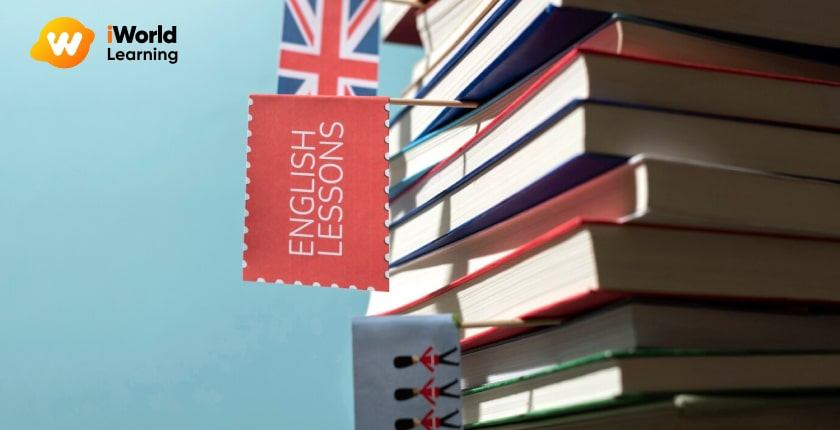
Continuous writing is the full composition, situational writing is a short purpose-built piece such as an email, and stimulus-based conversation is the oral discussion built around a given visual prompt.
- Continuous writing: the composition proper, marked on content, language and organisation; the picture-and-theme prompt lives here.
- Situational writing: a short functional piece, such as an email or note to a named reader, marked on task fulfilment and tone.
- Reading aloud: the oral component where the child reads a passage to the examiner, marked on fluency and expression.
- Stimulus-based conversation (SBC): the oral discussion around a visual prompt, where opinions and elaboration matter as much as accuracy.
Oral task names have evolved across syllabus versions; confirm the current format with SEAB documents rather than older guides.
Report-Card and Feedback Shorthand
Phrases like needs exposure to varied texts or weak in language use point at specific components, so translating them back into the terms in this glossary tells you exactly which practice area the comment targets. Needs more exposure to varied texts is a reading-diet comment: vocabulary breadth, so the home fix is wider reading, not more worksheets. Weak in language use is a grammar-family comment pointing at cloze and synthesis practice. Strong ideas but expression needs work means content outruns accuracy, which calls for sentence-level revision rather than more brainstorming. Schools use their own comment banks, so translation is approximate, but the component families above catch almost every phrase a report card uses.
What Each Term Means for Help at Home
Each component maps to a different home practice: cloze to context-reading habits, synthesis to sentence-rewriting drills with checking, comprehension to question-type practice, and oral to regular unscripted talking.
- Grammar and vocabulary cloze: read the whole passage before touching the blanks; the missing word usually borrows from a sentence two lines away.
- Synthesis and transformation: rewrite the same sentence three ways and check meaning survived; accuracy of meaning is where marks die.
- Open comprehension: practise answering in the question's words and pace, not one-word replies.
- Continuous writing: short regular drafts beat rare long essays, provided something comes back marked.
- Oral and SBC: ordinary dinner conversations with follow-up questions train elaboration better than scripts.
Home practice supports components; it cannot replace feedback from a marking eye.
When a Term Keeps Appearing
When the same component term appears on every report and homework correction, that pattern justifies structured support aimed at that component rather than more general exposure. One comprehension-cloze comment is a worksheet; three terms of comprehension-cloze comments is a skill gap with a name on it. Patterns justify a conversation, not an instant enrolment: verify with a placement that tests the component, then choose support that targets it directly. Component-level gaps respond well to small-group teaching where marked practice pins the exact weakness, which is how iWorld Learning structures its primary English small-group classes, starting from a diagnostic placement. The glossary's last job is this one: naming the target so precisely that help can actually aim.
Frequently Asked Questions
What is the difference between grammar cloze and comprehension cloze?
Grammar cloze tests choosing correct grammar forms in context, usually as multiple choice; comprehension cloze requires producing the missing word from passage logic and grammar fit, with no options given, which is why it is usually the harder task.
What does synthesis and transformation test?
It tests rewriting or combining sentences while preserving meaning, covering structures such as passive voice, reported speech and connectors; marks go to both accuracy and keeping the meaning identical.
Where can parents check the official PSLE English format?
On the SEAB website, which publishes current examination formats and requirements. Treat any third-party summary, including this glossary, as a translation to verify against the official documents for your child's year.
相关文章
Recommended Reading
Popular Articles
-
English Teacher Salary in Singapore: A Complete 2026 Guide
-
The Ultimate english learning apps Bank: Categorized & Explained
-
British Council IELTS in 2026: What Changed, What It Costs, and How to Prepare
-
IELTS Price in 2026: What Test-Takers Actually Pay (And How to Spend Less)
-
The Complete 2026 Blueprint for O Level English Oral Topics 2026 Format & Strategy
-
IELTS Test Format, Scoring, and Key Changes for 2026 Explained
-
IELTS Exam Fee 2026: Complete Guide to Costs, Payment & Savings
-
PSLE 2026: Complete Guide to Exam Dates, Scoring System, and Preparation Strategies
-
IELTS Test Dates 2026: Monthly Schedule, Booking Strategy, and Prep Timeline
-
The Top 10 Tuition Centres in Singapore (2025) – A Curated Review for Parents & Students
latest articles
-
Internship Request Email: Student's Template
-
Counter-Offer From Your Employer: Responding
-
Award Nomination Email: Nominate a Peer
-
How to Pronounce 'Frites' in English and French Contexts
-
Lucidity: Meaning, Context and Natural Examples
-
Salvation: Meaning in Religious and Everyday Contexts
-
Mitigate Meaning in English: Usage, Grammar and Examples
-
Exit Interview Email: HR Templates
-
Empathic Synonyms: Differences in Meaning and Tone
-
Spelling Practice at Home: What Works