Looking for English Holiday Programmes in Singapore What Parents Should Know
Introduction
School holidays in Singapore come around every few months. Parents often scramble to find meaningful activities for their children. Some turn to holiday camps. Others consider tuition. But a growing number are looking at structured language courses.
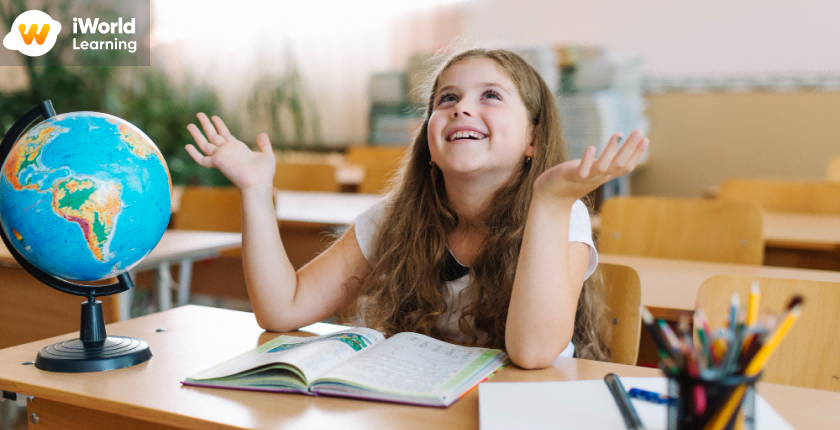
English holiday programmes in Singapore offer a practical solution for families who want to maintain learning momentum during breaks. These short-term courses are designed specifically for the holiday period. They typically run for one to two weeks. And they focus on skill-building in a relaxed environment.
What Makes Holiday English Programmes Different
Regular English tuition follows a school-term schedule. Students attend weekly classes alongside their schoolwork. Holiday programmes work differently. They are intensive but shorter. Classes may run daily for a set period.
This format allows students to immerse themselves in the language. Without school assignments competing for attention, learners can focus entirely on improving their English. Many programmes also incorporate fun activities like storytelling, drama, or group projects.
Some language schools in Singapore, such as iWorld Learning, offer themed holiday courses that combine grammar practice with creative writing or public speaking. These programmes keep children engaged while building real skills.
Why Parents Search for These Programmes
The main reason parents seek English holiday programmes in Singapore is simple. They want to prevent learning loss. When children take long breaks from academic work, they can forget what they have learned. This is often called the "holiday slide."
A one-week break might not cause major issues. But the June holidays last four weeks. The year-end break stretches even longer. Without some form of academic engagement, students may return to school rusty and unprepared.
Another reason is exam preparation. Some parents use holiday programmes to prepare for upcoming PSLE, O-Level, or other important tests. The holidays provide uninterrupted time to work on weak areas.
Finally, some families simply want their children to use time productively. Too much screen time or boredom can lead to unproductive habits. A structured programme gives children purpose and routine.
Available Options for Different Age Groups
English holiday programmes in Singapore come in various formats. Here is what you can expect for different age groups.
Primary school students (ages 7–12)Programmes for younger children often focus on foundational skills. Grammar, vocabulary, reading comprehension, and writing are common topics. Many courses use games, videos, and group activities to keep learning fun.
Secondary school students (ages 13–16)Older students may benefit from exam-focused programmes. These courses target specific skills needed for national exams. Essay writing, comprehension strategies, and oral communication are typical areas of focus.
Preschool children (ages 5–6)Some providers offer early literacy programmes for young learners. These courses introduce phonics, basic reading, and simple writing through play-based activities.
Junior College and older teensFor older students, English holiday programmes may focus on argumentative writing, critical analysis, or university application essay preparation.
How to Choose the Right Programme
Choosing among English holiday programmes in Singapore requires some thought. Here are practical tips for parents.
Consider your child's needs firstIs your child struggling with grammar? Or do they need help with creative writing? Different programmes have different strengths. Match the course content to your child's specific weaknesses.
Check the class sizeSmaller classes mean more individual attention. Look for programmes with a low teacher-to-student ratio. This is especially important for younger learners or those who need extra support.
Look at the scheduleSome programmes run half-days. Others run full days. Consider your family's holiday plans. Do you need flexibility? Some schools offer drop-in options or weekly enrolment.
Ask about materials and take-homesGood programmes provide learning materials. Some also give progress reports or feedback at the end of the course. This helps you understand what your child has learned.
Read reviews from other parentsWord of mouth is valuable in Singapore. Ask other parents about their experiences. Online reviews can also be helpful, though take them with some caution.
What to Expect in Terms of Cost
Prices for English holiday programmes in Singapore vary widely. Basic community-based programmes may cost around $150 to $300 for a week. Premium courses at private learning centres can range from $400 to $800 or more for the same duration.
Factors affecting price include class size, teacher qualifications, materials provided, and the reputation of the school. Some programmes include meals or snacks. Others require you to pack your child's food.
Do not automatically choose the cheapest option. But also remember that expensive does not always mean better. Look for value—good teaching, clear learning outcomes, and a positive environment.
Timing Your Search
Popular English holiday programmes in Singapore fill up quickly. Parents often register their children weeks or even months in advance. For the June holidays, registration may open as early as March or April. For the year-end break, some schools start taking bookings in September.
Waiting until the last minute limits your choices. You may end up with programmes that do not fit your schedule or your child's needs. Start researching at least six weeks before the holiday begins.
Common Questions About English Holiday Programmes in Singapore
Are holiday English programmes worth the money?For many families, yes. A well-run programme prevents learning loss, builds confidence, and keeps children productively occupied. However, results depend on the quality of the programme and your child's willingness to participate.
How long do most holiday programmes run?Most programmes run between one and four weeks. Daily sessions typically last two to four hours. Some full-day options include lunch breaks and supervised activities.
Can my child join if English is not their first language?Absolutely. Many English holiday programmes in Singapore welcome students of all proficiency levels. Some schools even offer courses specifically designed for learners who need extra support with basic English.
What is the difference between a holiday programme and regular tuition?Holiday programmes are shorter, more intensive, and often more interactive. Regular tuition follows a weekly schedule throughout the school term. Holiday programmes allow for deeper focus on specific skills without the distraction of schoolwork.
相关文章
Recommended Reading
Popular Articles
-
English Teacher Salary in Singapore: A Complete 2026 Guide
-
The Ultimate english learning apps Bank: Categorized & Explained
-
British Council IELTS in 2026: What Changed, What It Costs, and How to Prepare
-
IELTS Price in 2026: What Test-Takers Actually Pay (And How to Spend Less)
-
The Complete 2026 Blueprint for O Level English Oral Topics 2026 Format & Strategy
-
IELTS Test Format, Scoring, and Key Changes for 2026 Explained
-
IELTS Exam Fee 2026: Complete Guide to Costs, Payment & Savings
-
PSLE 2026: Complete Guide to Exam Dates, Scoring System, and Preparation Strategies
-
IELTS Test Dates 2026: Monthly Schedule, Booking Strategy, and Prep Timeline
-
The Top 10 Tuition Centres in Singapore (2025) – A Curated Review for Parents & Students
latest articles
-
Internship Request Email: Student's Template
-
Counter-Offer From Your Employer: Responding
-
Award Nomination Email: Nominate a Peer
-
How to Pronounce 'Frites' in English and French Contexts
-
Lucidity: Meaning, Context and Natural Examples
-
Salvation: Meaning in Religious and Everyday Contexts
-
Mitigate Meaning in English: Usage, Grammar and Examples
-
Exit Interview Email: HR Templates
-
Empathic Synonyms: Differences in Meaning and Tone
-
Spelling Practice at Home: What Works