Which Secondary English Tuition in Singapore Fits Your Child Best
Introduction
You have just received your child’s English results from the latest school exam. The score is not terrible, but it is also not where you hoped it would be. Your child says they understand the lessons in class, but when it comes to tests, something goes wrong. Sound familiar? Many parents in Singapore face this exact situation. The good news is that the right secondary English tuition in Singapore can make a real difference. The challenge is knowing which type of tuition actually fits your child’s specific needs.
A Common Situation Many Parents Face
Let us imagine a typical scenario. Your child is in Secondary 2 or Secondary 3. They do their homework on time. They attend school regularly. Yet their English marks have stayed at the same average level for over a year. When you ask them what they find difficult, they say “everything” or “I just don’t get comprehension”.
This is not unusual. The secondary English syllabus in Singapore is demanding. It requires students to move beyond basic grammar and into analytical reading, structured essay writing and spoken interaction that feels natural, not rehearsed. For many teenagers, this jump in difficulty happens exactly when they are also managing five or six other subjects. Something has to give, and often that something is English.
Why This Problem Happens
The gap between lower secondary and upper secondary English is larger than many parents expect. In Secondary 1 and 2, students are still adjusting to secondary school life. By Secondary 3, the expectation is that they can handle complex texts, write persuasive essays and respond thoughtfully to visual stimuli during oral exams.
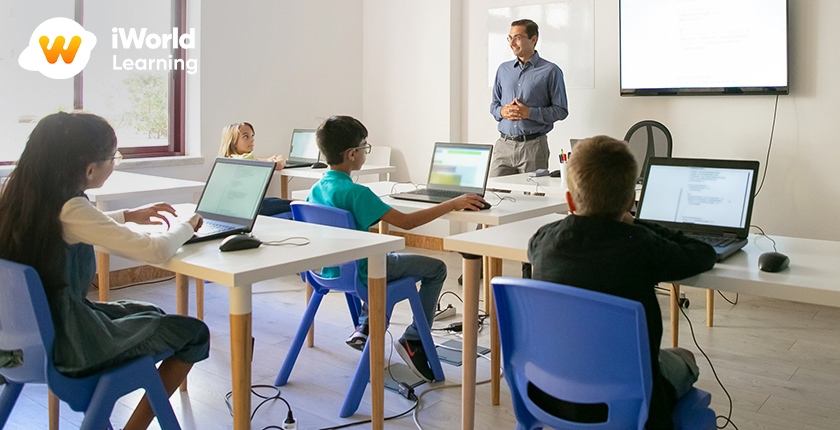
Schools do their best, but class sizes are large. A single teacher may have thirty or more students. It is hard to give every teenager individual feedback on their writing or one-on-one speaking practice. That is where secondary English tuition in Singapore steps in to fill the gap. Tuition provides the repetition, the personalised attention and the focused practice that school schedules simply cannot offer.
Possible Solutions for Different Needs
Not all tuition is the same. Some parents assume that any extra class will help, but matching the right type of tuition to your child’s struggle is what actually works.
For students who struggle with grammar and basic sentence structure, a small group class that focuses on foundation skills may be the best fit. These classes often use structured worksheets and repeated exercises to build confidence slowly.
For students who understand grammar but cannot answer comprehension questions well, look for tuition that explicitly teaches question analysis. What is the question really asking? How do you spot inference questions versus factual recall questions? Many bright students lose marks simply because they misread what the question wants.
For students who freeze during oral exams, tuition that includes regular speaking practice in small groups is essential. Reading aloud at home is not the same as thinking on your feet in front of a teacher and classmates.
Some language schools in Singapore, such as iWorld Learning, offer secondary English programmes designed to balance exam preparation with real communication skills. Their small-group approach allows teenagers to practise speaking without feeling embarrassed, while still covering writing and comprehension in depth.
Finding the Right Secondary English Tuition in Singapore
When you start searching for secondary English tuition in Singapore, you will quickly notice how many options exist. Large tuition centres with hundreds of students. Smaller boutique centres. Private tutors who come to your home. Online classes with teachers based overseas.
Each option has strengths and weaknesses. Large centres often have structured materials and experienced teachers, but your child may feel like just another face in the crowd. Private tutors offer personal attention but can be expensive and harder to vet. Online classes are convenient, but not every teenager has the discipline to stay focused on a screen for two hours.
A balanced approach that many parents find effective is a small group tuition centre where classes have no more than six to eight students. This size allows the teacher to give individual feedback while still creating enough peer interaction for lively discussions and pair work.
What to Look for in a Programme
Before signing up for any secondary English tuition in Singapore, ask these three questions.
First, what does a typical lesson look like? If the answer is “students do worksheets and then we go through the answers”, that is not enough. Good tuition should include active teaching, model answers being broken down together, and live writing practice where the teacher gives immediate corrections.
Second, how does the centre handle speaking and listening? Many programmes focus almost entirely on writing and comprehension because those are easier to mark. But oral exams count for a significant percentage of the final grade. Your child needs real practice speaking in full sentences under time pressure.
Third, can you see progress reports or samples of student work? A centre that tracks your child’s improvement week by week is more likely to adjust their teaching when something is not working.
Tips for Making the Final Decision
Before you commit to any secondary English tuition in Singapore, try a trial lesson if possible. Your child’s reaction to the teacher and the classroom environment matters more than the centre’s marketing brochure. A bored teenager will not learn much, no matter how qualified the teacher is.
Also, involve your child in the decision. Ask them what they want help with. Do they hate comprehension? Do they panic during oral exams? Do they write essays that feel messy and unorganised? When your child feels heard, they are more likely to cooperate and put effort into the tuition.
Finally, give the programme time. English skills do not improve in two weeks. A reasonable expectation is three to six months before you see consistent improvement in school test scores. If you change tutors every month, your child never gets the chance to build a real learning rhythm.
Common Questions About Secondary English Tuition in Singapore
At what age or level should I start my child on secondary English tuition?There is no fixed rule, but many parents begin in Secondary 1 or early Secondary 2. Starting earlier gives your child time to build good habits before the O-Level pressure builds up in Secondary 3. That said, tuition can help at any stage, even if your child is already in Secondary 4.
How many hours of tuition per week is reasonable for a secondary student?Most students benefit from two to three hours of English tuition per week, spread over one or two sessions. Adding another hour of self-practice at home, such as reading news articles or writing short paragraphs, is often more effective than adding more tuition hours.
Can tuition help if my child already gets A grades in school?Yes, but for different reasons. High-achieving students often use tuition to prepare for competitive programmes, improve their essay writing style for distinction grades, or build confidence in public speaking. The goal shifts from passing to excelling.
What is the difference between group tuition and one-to-one tuition?Group tuition is more affordable and allows for peer learning, discussions and debate practice. One-to-one tuition offers complete personalisation and faster feedback but costs significantly more. For most secondary students, a small group of four to six students offers the best balance of cost and individual attention.
相关文章
Recommended Reading
Popular Articles
-
English Teacher Salary in Singapore: A Complete 2026 Guide
-
The Ultimate english learning apps Bank: Categorized & Explained
-
British Council IELTS in 2026: What Changed, What It Costs, and How to Prepare
-
IELTS Price in 2026: What Test-Takers Actually Pay (And How to Spend Less)
-
The Complete 2026 Blueprint for O Level English Oral Topics 2026 Format & Strategy
-
IELTS Test Format, Scoring, and Key Changes for 2026 Explained
-
IELTS Exam Fee 2026: Complete Guide to Costs, Payment & Savings
-
PSLE 2026: Complete Guide to Exam Dates, Scoring System, and Preparation Strategies
-
IELTS Test Dates 2026: Monthly Schedule, Booking Strategy, and Prep Timeline
-
The Top 10 Tuition Centres in Singapore (2025) – A Curated Review for Parents & Students
latest articles
-
Internship Request Email: Student's Template
-
Counter-Offer From Your Employer: Responding
-
Award Nomination Email: Nominate a Peer
-
How to Pronounce 'Frites' in English and French Contexts
-
Lucidity: Meaning, Context and Natural Examples
-
Salvation: Meaning in Religious and Everyday Contexts
-
Mitigate Meaning in English: Usage, Grammar and Examples
-
Exit Interview Email: HR Templates
-
Empathic Synonyms: Differences in Meaning and Tone
-
Spelling Practice at Home: What Works