Can English Games for Kids Really Boost Learning?
Introduction
As a parent in Singapore, you’ve probably watched your child stare at a vocabulary list with glazed eyes. Maybe you’ve tried flashcards, spelling drills, or even weekend tuition. But something feels off. The effort is there, but the enthusiasm isn’t.
Here’s what many parents discover: when learning feels like play, children absorb language differently. That’s where English games for kids come into the picture. These aren’t just time-fillers or digital distractions. When chosen well, games become powerful tools for building vocabulary, grammar awareness, and speaking confidence.
This article walks you through practical ways to use English games for kids, what actually works in Singapore’s bilingual environment, and how to tell the difference between genuine learning and mere entertainment.
What Makes English Games for Kids Effective
Not all games teach. Some are loud and colourful but deliver little language value. The effective ones share a few key traits.
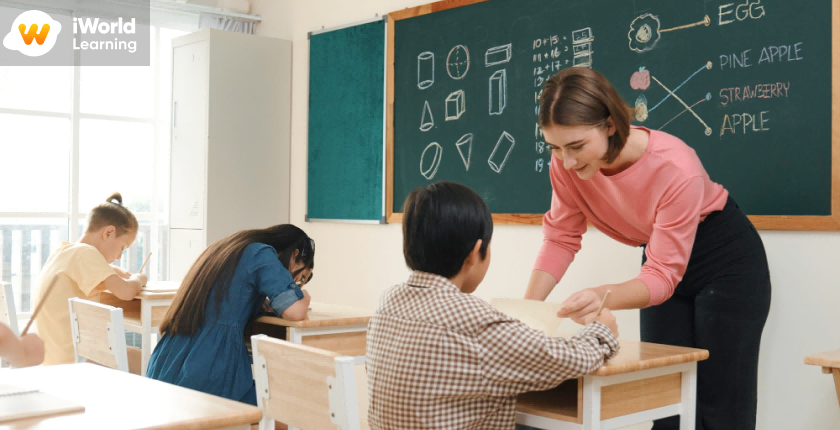
First, they require active language use. A child can’t just tap buttons—they must read, speak, or write to move forward. Second, they offer repetition without boredom. Good games hide repeated vocabulary practice inside changing contexts. Third, they provide immediate feedback. A child knows right away whether they understood the instruction or misheard a word.
In Singapore classrooms and homes, the best English games for kids also respect the child’s existing language mix. Many children here grow up with Mandarin, Malay, or Tamil alongside English. Games that build bridges between these languages—rather than shaming code-switching—tend to work better for long-term confidence.
Why Parents and Teachers Search for This Topic
Walk into any Popular bookstore or browse Lazada, and you’ll see shelves of “educational games.” The problem isn’t a lack of options. It’s an overload of unclear choices.
Parents search for English games for kids because they sense a gap. School worksheets cover the syllabus. Assessment books test comprehension. But neither creates the spark that makes a child voluntarily reach for an English activity on a Sunday afternoon.
Teachers search for similar reasons. A Primary 1 class in Singapore might have students ranging from near-native English speakers to children still building basic sentence structures. Games offer a low-stakes way to reach everyone at once.
So this isn’t about replacing structured learning. It’s about adding a layer of joyful repetition that textbooks simply cannot provide.
Types of English Games That Work for Different Age Groups
Ages 4 to 6 (Preschool to K1)
At this stage, focus on sound recognition and simple vocabulary. Games like “I Spy” with letter sounds (“I spy something that starts with B”) work without screens. Board games like Alphabet Bingo reinforce letter-name connections.
Digital options include apps that ask children to match words to pictures or complete spoken sentences. The key is short sessions—five to ten minutes—because attention spans at this age are naturally brief.
Ages 7 to 9 (Primary 1 to 3)
This is the sweet spot for word-building and simple sentence games. Scrabble Junior, Bananagrams, and word searches teach spelling patterns. Card games like “Go Fish” can be adapted to practice question forms (“Do you have a red card?”).
Online, games that involve sorting words into categories (nouns, verbs, adjectives) or completing cloze passages with drag-and-drop answers work well. Many Singapore schools use platforms like Koobits or SLS that include game-like English modules.
Ages 10 to 12 (Primary 4 to 6)
Older kids need games that feel mature but still engaging. Story-building games—where each player adds one sentence to create a ridiculous tale—practice narrative structure and conjunctions. Guessing games like “Hedbanz” or “20 Questions” sharpen question formation and descriptive vocabulary.
Digital escape rooms designed around English comprehension are becoming popular. These require reading clues, solving word puzzles, and following written instructions under a pretend time limit.
How to Choose the Right English Games for Kids in Singapore
With hundreds of options available locally, here’s a simple three-step filter.
Step 1: Identify the specific skill gap. Is your child struggling with phonics? Vocabulary retention? Sentence structure? A game that targets all three probably exists, but starting with one focus area prevents overwhelm.
Step 2: Consider the setting. Will this be played alone, with siblings, or in a small tuition group? Solo digital games work differently from family board games. In Singapore’s context, many parents look for games that don’t require heavy parental involvement—but some of the best learning happens when you play together for ten minutes after dinner.
Step 3: Test for genuine language use. Watch your child play. Are they speaking, reading, or writing? Or are they clicking randomly and still advancing? If the game rewards guessing without language production, it’s entertainment, not learning.
Several language schools in Singapore incorporate game-based methods into their regular lessons. For example, iWorld Learning integrates structured English games for kids into their small-group classes, balancing fun with measurable progress. This approach works because the game isn’t the main event—it’s a tool within a larger curriculum.
Digital vs. Physical Games: What Works Better
Neither format is automatically superior. Physical games offer tactile engagement and no screen-time concerns. They also naturally encourage conversation because players talk to each other. However, they can feel repetitive after the fifth round.
Digital games provide instant variety and adaptive difficulty. Many apps adjust question levels based on the child’s performance. The downside is passive consumption—some children treat them like videos rather than active learning tools.
A practical approach for Singapore families: use physical games on weeknights (10–15 minutes) and reserve digital games for weekends or travel. This balance reduces screen fatigue while maintaining access to high-quality adaptive content.
Common Mistakes Parents Make with English Games
Buying too many at once. A shelf of untouched games helps no one. Start with one or two and play them consistently for two weeks before adding more.
Choosing games above the child’s level. Frustration kills the joy. If a game requires reading full paragraphs but your child is still blending CVC words (cat, dog, sun), put it aside for six months.
Forcing play when the child is tired. After a full day of school and CCA, some evenings should be restful, not “enriching.” Games work best when introduced during fresh, alert moments—Saturday mornings, Sunday afternoons, or right after a snack.
Expecting games to replace instruction. Games reinforce what has already been taught. They rarely introduce new concepts effectively on their own. Think of them as practice fields, not classrooms.
Common Questions About English Games for Kids
How much time should kids spend on English games each day?
Fifteen to twenty minutes is plenty for most children aged 5 to 10. Longer sessions often lead to diminishing returns. Consistency matters more than duration—short daily practice beats a two-hour marathon once a week.
Are free online English games for kids any good?
Some are excellent; many are not. Websites like Starfall, PBS Kids, and British Council Kids offer high-quality free content. Avoid flashy, ad-heavy sites that prioritize clicks over learning. Test any free game yourself first.
Can English games help with primary school exam preparation?
Indirectly, yes. Games build vocabulary and grammar intuition, which support comprehension and writing. However, for direct PSLE or SA2 preparation, past-year papers and structured worksheets remain necessary. Use games as a supplement, not a substitute.
What if my child only wants to play digital games and refuses board games?
That’s normal. Try transitioning gradually—digital games on weekdays, physical games on weekends. Or find physical games with digital companions (e.g., Osmo words). The goal isn’t to eliminate screens but to ensure language production happens regardless of format.
Final Takeaway
English games for kids are not magic fixes. They won’t turn a reluctant reader into a bookworm overnight. But when chosen thoughtfully and played consistently, they build something that worksheets alone cannot: intrinsic motivation.
In Singapore’s competitive education landscape, that motivation matters more than most parents realise. A child who willingly plays a word game on a Sunday morning is a child who is quietly wiring their brain to see English as accessible, even fun. And that foundation—confidence wrapped in joy—outlasts any vocabulary list.
相关文章
Recommended Reading
Popular Articles
-
English Teacher Salary in Singapore: A Complete 2026 Guide
-
The Ultimate english learning apps Bank: Categorized & Explained
-
British Council IELTS in 2026: What Changed, What It Costs, and How to Prepare
-
IELTS Price in 2026: What Test-Takers Actually Pay (And How to Spend Less)
-
The Complete 2026 Blueprint for O Level English Oral Topics 2026 Format & Strategy
-
IELTS Test Format, Scoring, and Key Changes for 2026 Explained
-
IELTS Exam Fee 2026: Complete Guide to Costs, Payment & Savings
-
PSLE 2026: Complete Guide to Exam Dates, Scoring System, and Preparation Strategies
-
IELTS Test Dates 2026: Monthly Schedule, Booking Strategy, and Prep Timeline
-
The Top 10 Tuition Centres in Singapore (2025) – A Curated Review for Parents & Students
latest articles
-
Internship Request Email: Student's Template
-
Counter-Offer From Your Employer: Responding
-
Award Nomination Email: Nominate a Peer
-
How to Pronounce 'Frites' in English and French Contexts
-
Lucidity: Meaning, Context and Natural Examples
-
Salvation: Meaning in Religious and Everyday Contexts
-
Mitigate Meaning in English: Usage, Grammar and Examples
-
Exit Interview Email: HR Templates
-
Empathic Synonyms: Differences in Meaning and Tone
-
Spelling Practice at Home: What Works