Are Kindergarten English Worksheets Useful for Young Learners in Singapore?
Parents in Singapore often ask whether kindergarten English worksheets actually help young children learn. Worksheets can be a useful tool when used correctly. However, they work best as part of a broader learning approach that includes speaking, listening, and interactive activities.
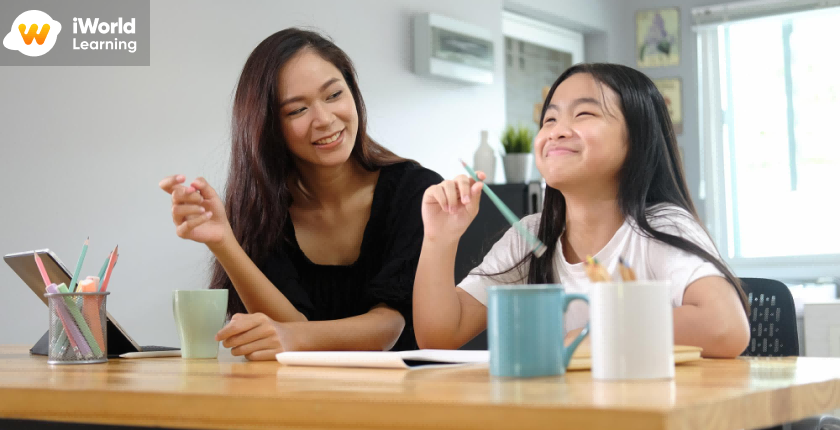
This article explains what kindergarten English worksheets can do, how to choose good ones, and why a balanced learning plan matters for children aged 4 to 6.
What Kindergarten English Worksheets Actually Do
Kindergarten English worksheets are designed to introduce basic literacy skills. These include letter recognition, phonics, tracing, vocabulary building, and simple sentence structure.
For a four- or five-year-old, a well-designed worksheet can reinforce what they learn in class. For example, after a teacher introduces the sound of the letter “B,” a worksheet with pictures of balls, bananas, and bears helps the child remember that sound.
That said, worksheets alone cannot teach a child to speak or understand English. They are practice tools, not complete lessons.
Why Parents Search for Kindergarten English Worksheets in Singapore
Many parents in Singapore look for kindergarten English worksheets because they want to support their child’s learning at home. The pressure to prepare children for primary school is real. Parents worry about whether their child will keep up with English in Primary 1.
Some families also use worksheets as a structured activity after school. Others look for free printable worksheets online to save money on tuition or enrichment classes.
The search is understandable. But it is important to know what worksheets can and cannot achieve.
Available Options for Kindergarten English Practice
There are several ways to help a kindergarten-aged child build English skills. Worksheets are just one option.
Free printable worksheets are available from many websites. These often cover letters, phonics, and basic writing. The quality varies greatly. Some are excellent. Others are poorly designed and may confuse young learners.
Paid worksheet packs from educational publishers like Oxford University Press or National Geographic Learning offer higher quality. These usually follow a clear learning progression and include colourful images that keep children engaged.
Enrichment classes provide structured lessons with a teacher. In Singapore, many language schools offer kindergarten programmes. For example, iWorld Learning runs a bridging course for children aged 4.5 to 6 that combines Oxford phonics materials with National Geographic reading books. This type of programme moves beyond worksheets into real interaction.
Educational apps are another option. Many apps gamify letter recognition and phonics, which some children prefer over paper worksheets.
How to Choose Good Worksheets for Your Child
Not all kindergarten English worksheets are created equal. Here is what to look for.
Clear instructions. A worksheet should be simple enough that a young child understands what to do without constant adult help.
Appealing visuals. Bright, clear pictures help children connect words to meaning. Avoid worksheets with cluttered or confusing images.
Age-appropriate content. A four-year-old should not be expected to write full sentences. Look for tracing, matching, and colouring activities at the earliest levels.
Progressive difficulty. Good worksheet sets start with basic letter recognition and slowly move to letter sounds, then simple words.
No screen fatigue. Some parents prefer paper worksheets to limit screen time. That is a valid choice, but balance is still important.
Ask yourself: Is this worksheet reinforcing something my child has already learned? Or is it trying to teach something new? Worksheets work best for practice, not for first-time instruction.
A Balanced Approach to Kindergarten English Learning
Young children learn language best through interaction. A worksheet cannot replace a teacher’s guidance or a parent’s conversation.
A sensible plan for kindergarten English might include:
-
Daily conversation in English at home
-
Reading picture books together
-
Phonics songs and games
-
Occasional worksheets for handwriting or letter practice
-
Small-group classes with a qualified teacher
In Singapore, many parents combine several of these methods. The key is variety. A child who only does worksheets may learn to write letters but struggle to speak or understand spoken English.
Common Questions About Kindergarten English Worksheets
At what age can a child start using English worksheets?
Most children are ready for very simple worksheets around age four. At this stage, focus on letter tracing, matching pictures to letters, and colouring activities. Before age four, hands-on play and reading aloud are more effective.
How much time should a kindergartener spend on worksheets each day?
Fifteen to twenty minutes is plenty. Young children have short attention spans. If a child becomes frustrated or bored, stop and try again another day. Consistency matters more than long sessions.
Can worksheets alone teach my child to read?
No. Worksheets can help with letter recognition and handwriting, but reading requires phonics instruction, listening to stories, and guided practice with a teacher or parent. Worksheets are a support tool, not a complete reading programme.
Where can I find high-quality kindergarten English worksheets in Singapore?
Many parents download free resources from educational websites. For higher quality materials, consider workbooks from major publishers like Oxford University Press. Enrichment centres also provide their own worksheets as part of a structured programme. Some schools, such as iWorld Learning, integrate worksheets with interactive lessons and phonics-based reading materials.
Using kindergarten English worksheets wisely means seeing them as one small part of a larger learning journey. When combined with conversation, reading, and guided instruction, worksheets can help young children build confidence in their early literacy skills.
相关文章
Recommended Reading
Popular Articles
-
English Teacher Salary in Singapore: A Complete 2026 Guide
-
The Ultimate english learning apps Bank: Categorized & Explained
-
British Council IELTS in 2026: What Changed, What It Costs, and How to Prepare
-
The Complete 2026 Blueprint for O Level English Oral Topics 2026 Format & Strategy
-
IELTS Price in 2026: What Test-Takers Actually Pay (And How to Spend Less)
-
IELTS Test Format, Scoring, and Key Changes for 2026 Explained
-
IELTS Exam Fee 2026: Complete Guide to Costs, Payment & Savings
-
PSLE 2026: Complete Guide to Exam Dates, Scoring System, and Preparation Strategies
-
IELTS Test Dates 2026: Monthly Schedule, Booking Strategy, and Prep Timeline
-
The Top 10 Tuition Centres in Singapore (2025) – A Curated Review for Parents & Students
latest articles
-
Limited Synonyms: Restricted, Finite, or Scarce?
-
From Many to One: Formal Alternatives for a Latin Motto
-
Domestic Partner Meaning: Relationship and Legal Context
-
English Tuition Near an MRT: Look Beyond Location
-
Arachnid Meaning: A Dictionary Guide With Examples
-
Seldom Meaning: Position, Tone, and Examples
-
Hosanna Meaning: Praise, Prayer, and Context
-
Sophocles Meaning: Name, Context, and Pronunciation
-
Primary Composition at Home: A Practical Writing Routine
-
Ares Meaning: The Greek God and Modern Proper Name