Are Tuitions for Primary Classes Worth It? What Parents Should Know Before Enrolling
Discover whether tuitions for primary classes genuinely improve academic performance. Learn the key factors, costs, and alternatives every parent should evaluate.
Every year, thousands of Singaporean parents face the same dilemma: should they enrol their child in tuitions for primary classes? The pressure begins early — from Primary 1 foundation subjects right through the high-stakes PSLE in Primary 6. With so many enrichment centres, private tutors, and online platforms competing for attention, making an informed decision can feel overwhelming.
This article breaks down what tuitions for primary classes actually offer, when they make sense, and how to choose the right fit for your child.
Why Do Parents Turn to Tuitions for Primary Classes?
Singapore's education system is rigorous by global standards. The national curriculum moves quickly, and class sizes in mainstream schools can stretch to 30–40 students per teacher. For many families, tuitions for primary classes serve as a structured supplement rather than a replacement for school learning.
Common reasons parents choose tuition
- Weak foundation in core subjects — English, Mathematics, and Science often require reinforcement beyond what school hours provide.
- PSLE preparation anxiety — The Primary School Leaving Examination determines secondary school placement, creating significant stress for both parents and students.
- Differentiated learning pace — Some children need extra time with concepts, while others benefit from advanced enrichment that keeps them engaged.
- Working parents' schedules — Tuition centres provide supervised study time that dual-income families may struggle to offer at home.
Does Tuition Actually Improve Results?
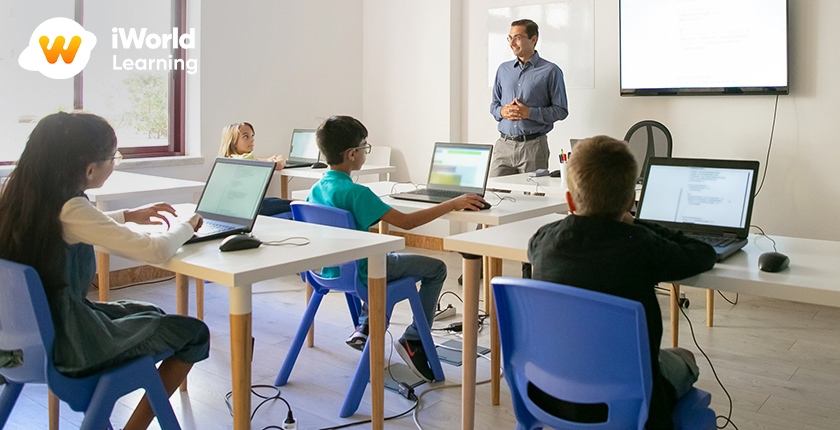
Research on the effectiveness of tuitions for primary classes presents a nuanced picture. Several studies in Singapore and across Asia suggest that tuition can boost examination scores, particularly when it is targeted and well-structured.
However, the gains depend heavily on how the tuition is delivered:
- One-to-one tutoring tends to show stronger results than large group classes.
- Programmes aligned with the MOE syllabus and exam formats produce more consistent improvements.
- Students who attend willingly — rather than being forced — generally benefit more.
A 2023 survey by the Straits Times found that roughly 70% of primary school students in Singapore receive some form of supplementary tuition, reflecting how deeply embedded the practice has become.
Group Classes vs. Private Tutoring: A Comparison
| Factor | Group Tuition | Private (1-to-1) Tutoring |
|---|---|---|
| Cost per month | SGD 150–400 | SGD 300–800+ |
| Class size | 8–15 students | 1 student |
| Personalisation | Limited | High |
| Peer interaction | Yes | No |
| Schedule flexibility | Fixed | Flexible |
| Best suited for | Practice and revision | Weak foundations or gifted learners |
For most families, a hybrid approach works best: group classes for regular practice and exam drills, supplemented by occasional private sessions when specific topics need deeper attention.
What to Look for in a Primary Tuition Programme
Not all tuitions for primary classes are created equal. When evaluating options, parents should consider several practical factors:
- Qualified educators — Tutors should have relevant teaching qualifications and familiarity with the Singapore MOE syllabus.
- Small class sizes — Classes exceeding 12 students dilute the individual attention your child receives.
- Structured curriculum — Look for programmes that follow school-term timelines and cover exam-relevant material systematically.
- Progress tracking — Regular assessments and parent updates help you understand whether the investment is paying off.
- Trial classes — Reputable centres typically offer trial lessons so your child can experience the teaching style before committing.
How iWorldLearning Supports Primary Students
For parents seeking a more personalised approach, iWorldLearning offers English language tuition designed specifically for Singapore's primary-level learners. Their small-group classes focus on building strong communication skills, grammar foundations, and exam techniques aligned with the PSLE format.
What sets iWorldLearning apart is its emphasis on interactive, student-centred learning. Rather than relying on rote memorisation, their experienced educators use discussion-based activities, writing workshops, and comprehension strategies that help children develop genuine language proficiency.
With a focus on individual progress and a supportive classroom environment, iWorldLearning aims to help young learners build confidence alongside academic competence — a combination that serves them well beyond primary school.
Alternatives to Traditional Tuition
Tuition is not the only path to academic improvement. Several alternatives are worth exploring:
- Self-study materials — Assessment books from reputable publishers like Singapore Asian Publications provide structured practice at a fraction of the cost.
- Online learning platforms — Websites such as KooBits and Geniebook offer interactive exercises with adaptive difficulty.
- School-based support — Many primary schools provide after-school remedial programmes and learning support sessions at no additional cost.
- Parent-guided learning — For parents with the time and subject knowledge, guided revision at home can be remarkably effective, especially in the early primary years.
When Is the Right Time to Start?
There is no universally "correct" age to begin tuitions for primary classes, but most educators recommend waiting until Primary 3 or 4. The early primary years (P1–P2) focus on foundational literacy and numeracy, which can often be addressed through school resources and home support.
Starting tuition too early risks:
- Creating unnecessary academic stress for young children.
- Reducing time for play, rest, and social development.
- Building dependence on external instruction rather than self-directed learning habits.
The ideal starting point depends on your child's individual needs, temperament, and progress in school. A conversation with their form teacher can provide valuable insight into whether supplementary support would be beneficial.
Making the Decision: A Practical Checklist
Before committing to tuitions for primary classes, ask yourself these questions:
- Does my child genuinely need extra academic support, or am I responding to peer pressure?
- Have I explored school-based remedial options first?
- Can I afford sustained tuition fees over multiple years?
- Does my child's schedule already include too many commitments?
- Have I spoken with my child about whether they want to attend?
Tuition works best when it complements — not complicates — a child's overall learning journey. The most successful arrangements are those where the student, parents, and tutor are all aligned on clear, realistic goals.
Final Thoughts
Tuitions for primary classes can be a valuable tool when used thoughtfully. The key is to treat them as a targeted intervention rather than a default requirement. Focus on your child's specific needs, choose quality over convenience, and maintain open communication with both the tutor and the school.
Every child learns differently. The right support system is the one that helps your child grow — not just academically, but as a confident, curious learner ready for the challenges ahead.
相关文章
Recommended Reading
Popular Articles
-
English Teacher Salary in Singapore: A Complete 2026 Guide
-
The Ultimate english learning apps Bank: Categorized & Explained
-
British Council IELTS in 2026: What Changed, What It Costs, and How to Prepare
-
IELTS Price in 2026: What Test-Takers Actually Pay (And How to Spend Less)
-
The Complete 2026 Blueprint for O Level English Oral Topics 2026 Format & Strategy
-
IELTS Test Format, Scoring, and Key Changes for 2026 Explained
-
IELTS Exam Fee 2026: Complete Guide to Costs, Payment & Savings
-
PSLE 2026: Complete Guide to Exam Dates, Scoring System, and Preparation Strategies
-
IELTS Test Dates 2026: Monthly Schedule, Booking Strategy, and Prep Timeline
-
The Top 10 Tuition Centres in Singapore (2025) – A Curated Review for Parents & Students
latest articles
-
Internship Request Email: Student's Template
-
Counter-Offer From Your Employer: Responding
-
Award Nomination Email: Nominate a Peer
-
How to Pronounce 'Frites' in English and French Contexts
-
Lucidity: Meaning, Context and Natural Examples
-
Salvation: Meaning in Religious and Everyday Contexts
-
Mitigate Meaning in English: Usage, Grammar and Examples
-
Exit Interview Email: HR Templates
-
Empathic Synonyms: Differences in Meaning and Tone
-
Spelling Practice at Home: What Works