Can You Find a CEFR A1 English Speaking Class in Singapore?
Introduction
Learning English from the very beginning can feel like a big challenge. Many adults in Singapore want to improve their speaking skills but don’t know where to start. If you have never studied formal English before, you might feel nervous about joining a class.
The good news is that beginner-friendly options exist. A CEFR A1 English speaking class in Singapore is designed specifically for absolute beginners. This level focuses on basic greetings, simple questions, and everyday conversations.
In this guide, we will walk through what A1 level means, where to find suitable classes, and how to choose the right course for your needs.
What Does CEFR A1 Mean for Speaking Skills?
The Common European Framework of Reference (CEFR) has six levels. A1 is the first level, often called “Breakthrough” or “Beginner.”
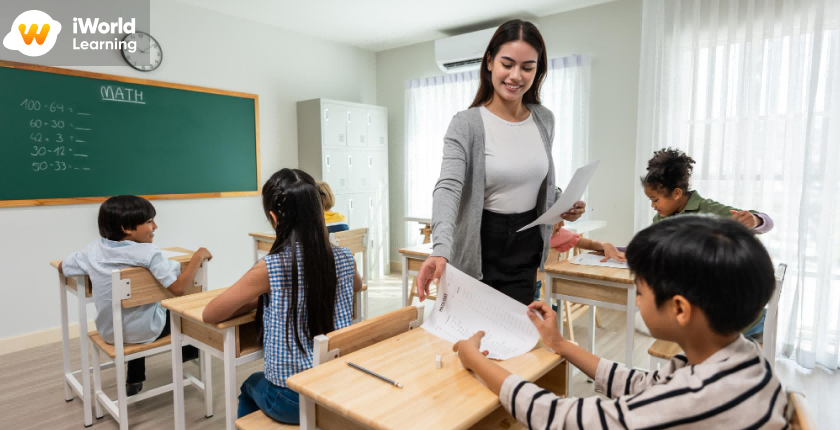
At A1 level, you can:
-
Understand and use familiar everyday expressions
-
Introduce yourself and ask basic personal questions
-
Speak slowly and use simple phrases
-
Interact in a basic way if the other person speaks clearly
For speaking specifically, A1 means you can say short sentences like “My name is John,” “I live in Singapore,” or “How much is this?” You will not understand fast native speech yet, and you will make grammar mistakes. That is completely normal at this stage.
A good CEFR A1 English speaking class in Singapore will help you build confidence from zero. The teacher will speak slowly, use pictures and gestures, and repeat key phrases many times.
Why Do Adults in Singapore Look for A1 Speaking Classes?
Many adults in Singapore did not grow up speaking English at home. Some came from other countries to work or join family members. Others studied English in school but never had a chance to practise speaking.
A common situation is this: You can read a little English or understand some words, but when someone speaks to you, your mind goes blank. You cannot find the right words to reply. This happens because reading and listening skills develop faster than speaking skills.
Another reason is work. Many jobs in Singapore require basic English to serve customers, understand instructions, or talk to colleagues. Without A1 level speaking ability, everyday tasks like ordering food or asking for directions can feel stressful.
This is why structured beginner classes exist. They provide a safe environment to make mistakes and learn at a slow pace.
Where Can You Find a CEFR A1 English Speaking Class in Singapore?
Singapore has several options for absolute beginners. Here are the most common places to look:
Community Centres (PA Courses)
People’s Association (PA) runs beginner English courses at community clubs across the island. These are affordable and relaxed. Class sizes can be large, but the pace is slow. Prices typically range from 100to200 for 8 to 12 sessions.
Private Language Schools
Dedicated language schools offer smaller class sizes and more structured curricula. For example, iWorld Learning provides CEFR-aligned beginner courses with a focus on speaking practice. Classes usually have 6 to 10 students, which means more time to speak individually.
Non-Profit Organisations
Groups like CDAC (Chinese Development Assistance Council), SINDA (for Indian community), and Mendaki (for Malay community) offer subsidised English classes. These are often free or very low cost. Eligibility requirements apply based on ethnicity or income.
One-to-One Tutors
Private tutors can focus completely on your speaking needs. Rates range from 40to80 per hour. This is the most expensive option but offers the fastest progress if you practise regularly.
Online Platforms
Websites like italki or Preply connect you with teachers for video lessons. You can find teachers who specialise in A1 speaking. However, face-to-face practice in Singapore has the advantage of real-life interaction.
How to Choose the Right A1 Speaking Class
Not all beginner classes are the same. Here are key factors to consider before signing up.
Check the Class Size
Speaking practice requires actual speaking time. If a class has 30 students, you might only say two or three sentences per session. Look for classes with 12 students or fewer. Small-group classes (6 to 8 students) are ideal for A1 level.
Ask About the Teaching Method
Some classes focus heavily on grammar exercises and writing. That will not help your speaking. Ask the school: “How much time is spent on speaking practice?” A good A1 speaking class should spend at least 50% of the time on oral activities like pair work, role plays, and repetition drills.
Visit the School or Request a Trial
Many language centres offer free trial lessons or low-cost assessment sessions. Use this chance to observe the teacher’s energy and patience. At A1 level, the teacher should speak slowly, use visual aids, and encourage every student.
Location and Schedule
Choose a class near your home or workplace. Travelling far can make you skip lessons when you feel tired. Evening and weekend classes are widely available for working adults in Singapore.
What to Expect in an A1 Speaking Lesson
A typical 1.5-hour A1 speaking class might follow this structure:
| Time | Activity |
|---|---|
| 0–10 min | Greeting and warm-up (review last lesson) |
| 10–30 min | New vocabulary (e.g., family members, food, places) |
| 30–50 min | Model dialogue and repetition practice |
| 50–70 min | Pair practice with classmates |
| 70–85 min | Short role play or speaking game |
| 85–90 min | Review and homework explanation |
You will not be asked to write long essays or read difficult texts. The focus stays on saying simple sentences out loud.
How Long Does It Take to Complete A1 Level?
The CEFR estimates that A1 requires about 80 to 100 hours of guided learning. If you take a 2-hour class twice per week, you will reach the end of A1 in about 3 to 4 months.
However, speaking confidence grows faster if you practise outside class. Try simple things like:
-
Greeting your neighbour in English
-
Ordering coffee using full sentences (“I would like a latte, please”)
-
Watching children’s cartoons in English (Peppa Pig is great for A1 level)
Common Questions About CEFR A1 English Speaking Class Singapore
Is CEFR A1 suitable for someone who knows zero English?
Yes. A1 is designed for complete beginners. You do not need to know any English before starting. The teacher will begin with “hello,” “goodbye,” “yes,” and “no.”
How is a CEFR A1 class different from general beginner English classes?
CEFR A1 classes follow international standards. Each skill (speaking, listening, reading, writing) has clear goals. General beginner classes may not have structured progression. CEFR alignment also means you can move to A2 level later with a recognised framework.
Can I skip A1 if I can understand basic English but cannot speak well?
No. Speaking is a separate skill. You might understand 500 words but only be able to say 50 of them. A1 speaking classes focus specifically on activating your passive vocabulary into active spoken words. Skipping A1 often leads to frustration because higher levels assume you can already form simple sentences without thinking.
Are there government subsidies for A1 English speaking classes in Singapore?
Yes, but mostly for Singaporeans and PRs. SkillsFuture credits can be used for approved English courses. Some community centre courses also receive subsidies. Non-profit organisations like CDAC provide free or low-cost classes for eligible residents. Foreigners typically pay full fees at private schools.
Final Thoughts
Starting to speak English at A1 level takes courage. You will feel shy. You will make mistakes. That is exactly how learning works.
The good news is that Singapore has many supportive learning environments for beginners. Whether you choose a community centre, a private school like iWorld Learning, or one-to-one tutoring, the key is to start and be consistent.
Find a CEFR A1 English speaking class in Singapore that fits your budget and schedule. Show up every week. Speak as much as you can in class. Within a few months, ordering lunch or asking for directions will no longer feel like a test. It will just be another conversation.
相关文章
Recommended Reading
Popular Articles
-
English Teacher Salary in Singapore: A Complete 2026 Guide
-
The Ultimate english learning apps Bank: Categorized & Explained
-
British Council IELTS in 2026: What Changed, What It Costs, and How to Prepare
-
The Complete 2026 Blueprint for O Level English Oral Topics 2026 Format & Strategy
-
IELTS Price in 2026: What Test-Takers Actually Pay (And How to Spend Less)
-
IELTS Test Format, Scoring, and Key Changes for 2026 Explained
-
IELTS Exam Fee 2026: Complete Guide to Costs, Payment & Savings
-
PSLE 2026: Complete Guide to Exam Dates, Scoring System, and Preparation Strategies
-
IELTS Test Dates 2026: Monthly Schedule, Booking Strategy, and Prep Timeline
-
The Top 10 Tuition Centres in Singapore (2025) – A Curated Review for Parents & Students
latest articles
-
After the Timer: How to Review One O-Level English Paper
-
Which Words May Enter Tonight's O-Level Paper 1
-
Reshape Five PSLE Sentences Before You Add New Words
-
How Adults Should Choose English Class Frequency
-
Collect O-Level Comprehension Words From Tonight's Passage
-
How a Sec 1 Student Should Write Gist Plus Evidence
-
Keep or Cut Singlish in a PSLE or O-Level Script
-
Memorising a Whole PSLE Model Composition: A Parent Check
-
Pick Recount or Narrative for Tonight's PSLE Practice
-
Paper 2 Faults That Remain After You Stop Lifting