How to Improve with Primary English Comprehension Training in Singapore
Introduction
For many primary school students in Singapore, English comprehension can feel like a difficult hurdle. They read a passage, but the questions that follow seem confusing. Words that look familiar suddenly become tricky when placed in a new context.
This is where primary English comprehension training makes a real difference. It teaches children how to read actively, find clues in the text, and answer questions with confidence.
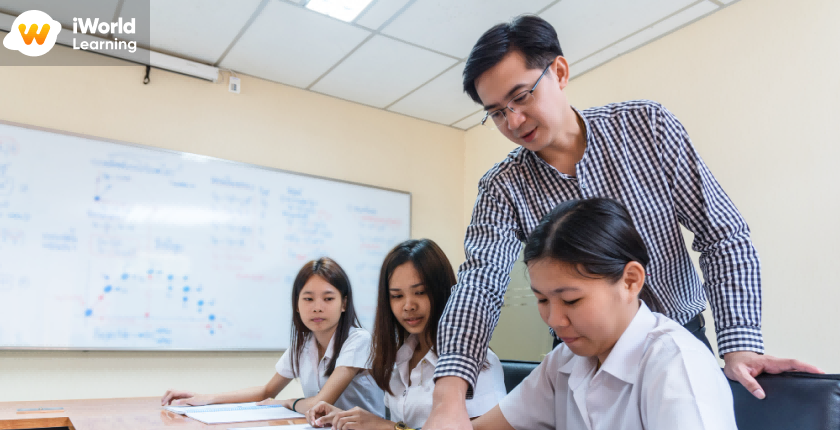
Parents often ask what this type of training actually involves. Is it just more practice worksheets? Or is there a smarter way to help their child understand what they read?
Let me explain what effective comprehension training looks like, why it matters for students in Singapore, and how you can find the right support for your child.
What Primary English Comprehension Training Actually Means
Many people misunderstand comprehension training. They think it means reading more books or doing endless question papers. But proper training focuses on specific skills.
First, it teaches children how to identify question types. Some questions ask for factual information directly from the passage. Others ask for inferences — things the author implies but does not state openly. A child who cannot tell the difference will keep getting the wrong answers.
Second, comprehension training builds vocabulary in context. Learning word lists out of context rarely helps. But when a child learns to guess word meanings from surrounding sentences, their reading improves dramatically.
Third, it trains children to spot keywords in both the passage and the questions. This allows them to locate answers faster without re-reading the entire text multiple times.
In Singapore schools, the PSLE English paper places heavy weight on comprehension. Students who struggle with this section often find their overall English score pulled down significantly.
Why Parents in Singapore Look for Comprehension Support
The pressure starts early in Singapore’s education system. By Primary 3, students face more complex passages and higher-order thinking questions. Many children who did well in lower primary suddenly find themselves lost.
Teachers in school have limited time. With 30 to 40 students in a class, they cannot give every child individual attention on comprehension strategies. So some children fall behind without anyone noticing until exam results arrive.
Another common problem is that children read the passage but do not engage with it. They treat reading as a mechanical task. Without active thinking — predicting, questioning, summarising — comprehension breaks down.
Parents also notice that their child can speak English well but struggles with written comprehension. This is normal. Speaking and reading comprehension use different parts of the brain. One does not automatically guarantee the other.
Available Options for Primary English Comprehension Training in Singapore
There are several routes parents can take to get comprehension support for their children.
Tuition centres remain the most popular choice. Many centres across Singapore offer primary English programmes that include dedicated comprehension modules. The advantage is structured learning with trained teachers. The challenge is finding a centre that matches your child’s learning style.
Private tutors offer one-to-one attention. A good tutor can pinpoint exactly where your child’s comprehension breaks down — whether it is vocabulary, inference skills, or time management. However, quality varies widely, and experienced tutors often have long waiting lists.
Online programmes have grown in recent years. Some platforms offer video lessons followed by comprehension practice. These work well for self-motivated children but less so for those who need direct guidance.
Language schools sometimes run primary-level programmes alongside their adult courses. For example, iWorld Learning offers structured English courses that build reading and comprehension skills progressively. These programmes often use small class sizes, which means more feedback for each student.
School-based support is available too. Some primary schools offer remedial classes or reading programmes. Parents should speak to their child’s English teacher first to understand what help is already available at no extra cost.
How to Choose the Right Training for Your Child
Every child is different. What works for your neighbour’s daughter may fail for your son. Here is a practical way to decide.
Assess the real problem first. Get a copy of your child’s English exam paper. Look at the comprehension section. Are they losing marks on vocabulary questions? Inference questions? Or are they simply running out of time? This tells you what type of training they actually need.
Consider your child’s learning style. Some children need visual explanations — diagrams showing how to break down a passage. Others learn better through discussion, talking through the text with a teacher. And some need repeated practice with immediate correction.
Check teacher qualifications. For comprehension training, the teacher must understand how to teach reading strategies, not just mark answers. Ask potential tutors or centres what method they use. If they cannot explain their approach clearly, look elsewhere.
Start with a trial. Many tuition centres and private tutors offer a trial session or a first-month commitment only. Use this time to observe whether your child feels comfortable and whether you see small improvements after just a few sessions.
Monitor progress over time. Comprehension skills develop slowly. Do not expect overnight miracles. But after two to three months, your child should show better accuracy on inference questions and spend less time re-reading passages.
Common Questions About Primary English Comprehension Training
How many hours per week does my child need for comprehension training to see improvement?
Most children benefit from one to two hours of focused comprehension training per week, spread across two sessions. Consistency matters more than total hours. Daily 20-minute practice at home between tutoring sessions also helps reinforce skills.
Can I train my child’s comprehension at home without a tutor?
Yes, but only if you understand the strategies yourself. Simply asking your child to read and answer questions does not teach them how to find answers. You need to model thinking aloud — showing how you locate keywords, eliminate wrong options, and guess unfamiliar words from context.
What is the right age to start formal comprehension training?
Primary 3 is the ideal starting point for most children. By this age, they have basic reading fluency and can focus on comprehension strategies. Starting earlier is fine if your child enjoys reading, but avoid pressure. Starting later in Primary 5 is still possible but leaves less time before PSLE.
How do I know if a tuition centre’s comprehension programme is effective?
Ask for before-and-after samples of student work. A good centre should be able to show you how other students improved. Also ask whether they teach specific question-answering techniques or simply hand out worksheets. Programmes that explain strategies tend to produce better long-term results than those focused only on practice.
相关文章
Recommended Reading
Popular Articles
-
English Teacher Salary in Singapore: A Complete 2026 Guide
-
The Ultimate english learning apps Bank: Categorized & Explained
-
British Council IELTS in 2026: What Changed, What It Costs, and How to Prepare
-
IELTS Price in 2026: What Test-Takers Actually Pay (And How to Spend Less)
-
The Complete 2026 Blueprint for O Level English Oral Topics 2026 Format & Strategy
-
IELTS Test Format, Scoring, and Key Changes for 2026 Explained
-
IELTS Exam Fee 2026: Complete Guide to Costs, Payment & Savings
-
PSLE 2026: Complete Guide to Exam Dates, Scoring System, and Preparation Strategies
-
IELTS Test Dates 2026: Monthly Schedule, Booking Strategy, and Prep Timeline
-
The Top 10 Tuition Centres in Singapore (2025) – A Curated Review for Parents & Students
latest articles
-
My Child Hates Writing: A Parent's Repair Plan
-
Primary English Tuition Fees in Singapore: Cost Drivers
-
Choosing a Primary 1 English Class in Singapore
-
Tuition Deposits and Notice Periods: A Parent Checklist
-
Helping With Composition at Home: Mistakes to Avoid
-
Synonyms for 'Nervous': Match the Word to the Worry
-
'Fleetwood' as a Family Name: Origin and Usage
-
PSLE Composition Ideas: Build a Story Bank That Works
-
PSLE AL Scoring: Plan Practice Around the Bands
-
One-to-One vs Group TOEFL Prep: Costs and Fit