P3 Oral Practice: A Parent’s Guide to Helping Your Child in Singapore
Introduction
For many parents in Singapore, the end-of-year Primary 3 English oral examination can be a source of quiet anxiety. It's not just about knowing the right words; it's about confidence, clarity, and the ability to communicate ideas effectively under pressure. If you are searching for ways to help your child improve their P3 oral practice, you are not alone. Many parents find that while they can help with worksheets and grammar, the spoken component feels harder to tackle at home.
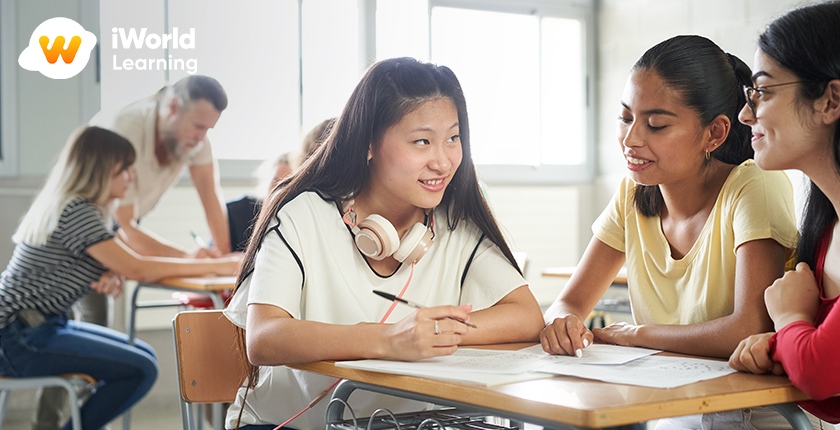
This guide is designed to help you navigate this challenge. We'll look at what a typical P3 oral practice session involves, why it's an important step in your child's education, and the practical options available in Singapore to support your child's journey. By understanding the 'why' and the 'how', you can work alongside your child to build their speaking skills effectively.
Understanding the P3 Oral Practice
When we talk about P3 oral practice, we are referring to the structured exercises designed to prepare Primary 3 students for their school-based oral examinations. In Singapore's primary school system, this usually involves two key components: Reading Aloud and Stimulus-Based Conversation.
The Reading Aloud section tests a student's ability to pronounce words clearly, read with appropriate pace, and use correct intonation. On the other hand, Stimulus-Based Conversation challenges a child to share their opinions and experiences based on a given picture or topic. It's not a test of memorisation, but a test of spontaneous thinking and articulation. Therefore, effective P3 oral practice must address both the technical aspects of speech and the critical thinking skills required for conversation.
Why This Matters at Primary 3
You might wonder why so much emphasis is placed on P3 oral practice. At this stage, the oral examination contributes significantly to a child's overall English grade. More importantly, however, this is the time when foundational communication habits are formed.
Primary 3 is often a transitional year where students move from learning to read to reading to learn. The ability to express thoughts clearly is not just for exams; it impacts participation in class, confidence in social settings, and even the ability to understand and solve problems. A child who engages in regular P3 oral practice is likely to build a stronger self-esteem and a more active role in their own learning. Early intervention at this stage can prevent speaking anxiety from becoming a long-term barrier.
Where to Find Effective P3 Oral Practice Options
Finding the right support for your child's P3 oral practice can be done through several channels. Each option offers a different approach, and what works best depends on your child's personality, current ability, and your family's schedule.
1. School-Based ResourcesYour child's school is the first and most accessible resource. Teachers often conduct mock oral examinations during class to familiarise students with the format. Additionally, schools usually provide oral practice booklets or access to online portals. While this is invaluable, the amount of individual attention a child receives can be limited by class size.
2. Home-Based PracticeWith the right guidance, parents can be excellent coaches for P3 oral practice. This involves more than just asking your child to read a passage. It means sitting down with them, listening carefully to their pronunciation, and engaging them in conversation about daily events. For Stimulus-Based Conversation, you can use a picture from a storybook or the news and ask open-ended questions like, “What do you think is happening here?” or “What would you do if you were in this situation?”.
3. English Enrichment CentresThis is where specialised support comes in. Many English tuition centres in Singapore offer targeted programmes for P3 oral practice. These classes are designed to simulate the exam environment, providing students with the opportunity to practise with peers and receive professional feedback. In these environments, trained teachers can identify specific weaknesses in pronunciation or grammatical structure that you might miss at home.
Some language schools in Singapore, such as iWorld Learning, offer small-group English courses designed to improve communication skills. Their programmes often integrate oral practice into a broader curriculum that supports vocabulary and grammar, ensuring a holistic development that naturally feeds into better speaking performance.
Tips for Choosing the Right Option
Deciding on the best path for your child's P3 oral practice can feel overwhelming. Here are a few practical tips to help you make an informed choice.
Assess Your Child’s NeedsIs your child shy and struggling to speak up, or do they talk a lot but lack clarity? If confidence is the issue, look for options that are encouraging and low-pressure, perhaps starting with home-based practice to build a safe space. If they need structured correction, a class or tutor might be more effective.
Look for Mock Exam PracticeWhether you choose a centre or a personal tutor, ensure they conduct simulated examinations. Authentic P3 oral practice should replicate the exam environment. This helps your child manage their time and nerves effectively. Knowing exactly what to expect on exam day can significantly reduce anxiety.
Check the Teacher-Student RatioWhen looking at enrichment centres, try to avoid large class sizes. The oral component is personal and requires individual attention. Small group settings, often found in dedicated language schools, allow the teacher to give feedback to each student. This individual focus is crucial for improving nuances in pronunciation and conversation.
FAQ
How often should my child do P3 oral practice at home?
For the best results, aim for short, focused sessions of 15 to 20 minutes, three to four times a week. Consistency is more important than long, infrequent practice sessions. This regular exposure helps build muscle memory for pronunciation and boosts confidence naturally.
What is the difference between Reading Aloud and Stimulus-Based Conversation?
Reading Aloud assesses a child's ability to pronounce words accurately and read smoothly. It is about technical execution. Stimulus-Based Conversation assesses your child's ability to think, reason, and express personal opinions. It is about communication skills and is worth more marks.
When should I start preparing my child for their P3 oral exam?
It is wise to start incorporating oral practice at least three to four months before the examination. This timeline allows for gradual improvement without stressing the child. However, starting earlier in the school year is even better, as oral skills develop over time.
What if my child is very shy and refuses to speak during practice?
Start by removing the pressure. Turn the oral practice into a game. Use topics that interest your child, like their favourite game or hobby. Speak as a peer, not as an examiner. Initially, accept short answers and encourage them to build on their answers slowly. The goal is to build trust and make speaking a positive experience.
Where can I find free P3 oral practice materials?
You can find free resources online through the Ministry of Education's (MOE) official resources or via school-provided portals. Additionally, many local bookstores sell English assessment books that include sample oral examination topics. Local libraries are also a great resource for picture books that can be used for practice at home.
If you are looking for a structured environment to boost your child’s oral communication skills, iWorld Learning offers courses designed for primary school students. Located conveniently in Singapore, they provide a supportive setting for your child to practise and gain confidence. You can schedule a free trial lesson and consultation to see if their approach fits your child’s needs. Contact them via WhatsApp at +65 8798 0083, or visit their campus at 10 Anson Road, #27-15, International Plaza, Singapore 079903 (Tanjong Pagar MRT Exit C). Take the next step in helping your child succeed in their P3 oral practice and beyond.
相关文章
Recommended Reading
Popular Articles
-
English Teacher Salary in Singapore: A Complete 2026 Guide
-
The Ultimate english learning apps Bank: Categorized & Explained
-
British Council IELTS in 2026: What Changed, What It Costs, and How to Prepare
-
IELTS Price in 2026: What Test-Takers Actually Pay (And How to Spend Less)
-
The Complete 2026 Blueprint for O Level English Oral Topics 2026 Format & Strategy
-
IELTS Test Format, Scoring, and Key Changes for 2026 Explained
-
IELTS Exam Fee 2026: Complete Guide to Costs, Payment & Savings
-
PSLE 2026: Complete Guide to Exam Dates, Scoring System, and Preparation Strategies
-
IELTS Test Dates 2026: Monthly Schedule, Booking Strategy, and Prep Timeline
-
The Top 10 Tuition Centres in Singapore (2025) – A Curated Review for Parents & Students
latest articles
-
Internship Request Email: Student's Template
-
Counter-Offer From Your Employer: Responding
-
Award Nomination Email: Nominate a Peer
-
How to Pronounce 'Frites' in English and French Contexts
-
Lucidity: Meaning, Context and Natural Examples
-
Salvation: Meaning in Religious and Everyday Contexts
-
Mitigate Meaning in English: Usage, Grammar and Examples
-
Exit Interview Email: HR Templates
-
Empathic Synonyms: Differences in Meaning and Tone
-
Spelling Practice at Home: What Works