What Should Your Child Do After PSLE? 7 Meaningful Ways to Bridge the Gap Before Secondary School
What Should Your Child Do After PSLE? 7 Meaningful Ways to Bridge the Gap Before Secondary School
The Primary School Leaving Examination is one of the most intense academic experiences a child in Singapore will face. Months of revision, practice papers, and tuition sessions finally come to an end — and suddenly, families face a new question: what comes next?
The post PSLE period typically spans several weeks between the final paper and the release of results. For parents, this stretch of free time presents both a golden opportunity and a genuine challenge. Without structure, children may drift into endless screen time. With the right approach, however, this break can become a transformative chapter in your child's development.
This guide explores seven meaningful categories of post PSLE activities — from academic bridging programmes to creative exploration — so you can help your child transition into secondary school with confidence, curiosity, and stronger English skills along the way.
1. Academic Bridging Programmes: Preparing for Secondary School English
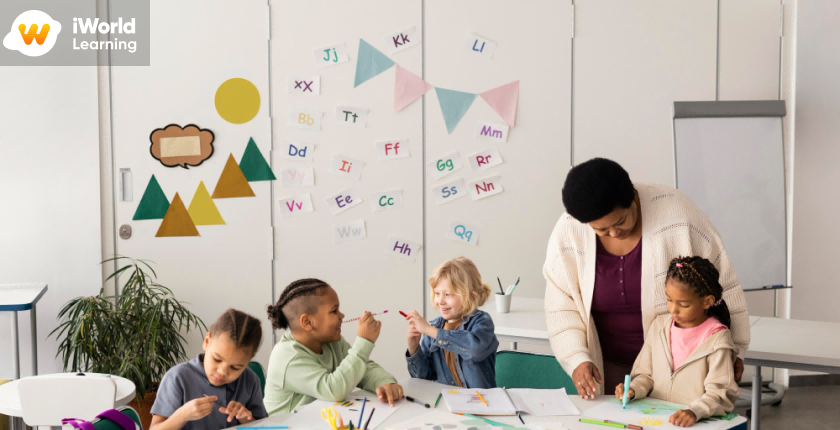
The leap from primary to secondary school is significant, especially in English Language. The PSLE format differs considerably from the O-Level curriculum that students will eventually face in secondary school.
Post PSLE English courses focus on bridging this gap. Key areas include:
- Situational and continuous writing — Students learn to structure emails, speeches, reports, and argumentative essays
- Comprehension and critical reading — Moving beyond literal recall to inferential and evaluative questioning
- Summary writing — A new skill introduced at the secondary level
- Grammar and vocabulary expansion — Strengthening the mechanics of language
- Oral communication — Developing spoken interaction and planned response skills
At iWorld Learning, experienced educators design personalised learning plans that target each student's specific weaknesses. With small class sizes and a focus on interactive teaching, iWorld Learning helps students build the English fluency they will need throughout their secondary school years — not just for exams, but for real-world communication.
2. STEM and Technology Camps
For children with an interest in technology, the post PSLE break is an ideal time to explore coding, robotics, and artificial intelligence without the pressure of looming exams.
Popular options across Singapore include:
- Coding and game design workshops — Using platforms like Minecraft Education Edition, Scratch, or Python to build real projects
- Robotics camps — Hands-on LEGO robotics or microcontroller-based projects that combine engineering with creativity
- AI and 3D printing workshops — Introducing children to generative AI tools and rapid prototyping
These programmes are not just about learning to code. They develop problem-solving logic, computational thinking, and project management skills that transfer directly into secondary school mathematics and science.
3. Creative Arts and Expression
After months of structured academic revision, many children benefit enormously from creative outlets. The post PSLE period is perfect for exploring art, music, drama, and writing in a pressure-free environment.
Consider these activities:
- Themed art camps (character design, manga illustration, or nature sketching)
- Creative writing workshops or journaling projects
- Music or drama classes — particularly useful for building confidence before secondary school presentations
- Handicraft workshops such as terrarium building, model kit assembly, or slime-making
Creative activities help children decompress emotionally while simultaneously developing fine motor skills, imagination, and self-expression — all valuable traits for the collaborative, project-based learning environment of secondary schools.
4. Sports, Fitness, and Outdoor Adventures
Physical activity is essential after the sedentary months of PSLE preparation. Beyond the obvious health benefits, sports help children develop discipline, teamwork, and resilience.
Post PSLE sports ideas include:
- Try a new sport — Badminton, table tennis, swimming, or rock climbing at indoor facilities like Clip 'n Climb
- Outdoor exploration — Cycling along park connectors, hiking at MacRitchie Reservoir, or visiting Coney Island
- Adventure parks — Houbii Spot at Singapore Zoo offers rope courses and obstacle challenges
- Bike tours — Guided cycling tours that explore hidden corners of Singapore
Trying new sports also helps children identify potential co-curricular activities (CCAs) for secondary school, giving them a head start when choices open up.
5. Life Skills and Character Development
Secondary school demands greater independence and self-management. The post PSLE period is an excellent window to build these skills before academic pressure returns.
Programmes in this category include:
- Public speaking and leadership workshops — Organisations like SINDA offer post PSLE camps focused on communication and problem-solving
- Financial literacy workshops — Teaching budgeting, saving, and money management basics
- Community service projects — Volunteering at elderly homes or organising donation drives builds empathy and social awareness
- Board game sessions — Collaborative games like Pandemic or Sherlock develop strategic thinking and teamwork
These experiences shape a child's character in ways that exam preparation alone cannot. They build confidence, empathy, and the ability to work with others — all qualities that secondary school teachers value highly.
6. Educational Outings and Cultural Exploration
Singapore offers a wealth of museums, nature reserves, and cultural sites that are both entertaining and educational. Post PSLE is the perfect time to visit them without rushing.
Recommended destinations include:
- Lee Kong Chian Natural History Museum — Over a million specimens showcasing Southeast Asian biodiversity
- National Museum of Singapore — Immersive exhibitions covering 700 years of Singapore's history
- Science Centre Singapore — Interactive exhibits that bring science concepts to life
- Singapore Zoo and River Wonders — Often run promotional free-entry programmes for children during this period
- Changi Jurassic Mile — Singapore's largest outdoor display of life-sized dinosaur models
These outings transform learning from a textbook exercise into a lived experience, helping children develop curiosity and a broader worldview.
7. Quality Family Time and Rest
Perhaps the most underrated post PSLE activity is simply rest. After the sustained intensity of examination preparation, children need genuine downtime to recover mentally and emotionally.
Meaningful family activities during this period include:
- Planning a family staycation or vacation
- Cooking together or trying new recipes as a family
- Movie marathons or reading challenges
- Using free trail guides to explore neighbourhoods you have never visited
Rest is not the same as doing nothing. Thoughtful, unhurried family time reinforces emotional security and gives children the space to process the transition ahead.
How iWorld Learning Supports Your Child's Post PSLE Journey
While the post PSLE break should be balanced between fun and preparation, English language development remains a critical investment. Secondary school English is markedly more demanding than PSLE English — requiring stronger analytical reading, more sophisticated writing, and confident oral communication.
iWorld Learning is a Singapore-based English enrichment centre that specialises in small-class, personalised instruction. Their post PSLE English programmes are designed to:
- Bridge the gap between primary and secondary school English curricula
- Build confidence in writing, comprehension, and oral communication
- Provide individualised attention through experienced, dedicated teachers
Whether your child needs targeted support in specific areas or a comprehensive English boost before Secondary 1, iWorld Learning offers structured programmes that fit seamlessly into the post PSLE schedule.
Frequently Asked Questions
How long is the post PSLE break?
The break typically lasts 4 to 6 weeks, from the end of PSLE papers in mid-October to the release of results in late November. Secondary school posting results follow in December, with school orientation in January.
Should my child continue tuition during the post PSLE break?
It depends on your child's needs and energy levels. Many parents find that light, focused enrichment — particularly in English and Mathematics — strikes the right balance between academic preparation and much-needed rest.
What is the best age to start secondary school preparation?
The post PSLE period itself is the ideal time. Short, targeted bridging programmes in English and Mathematics during these weeks can make a significant difference in how smoothly your child adjusts to Secondary 1.
How do I choose the right post PSLE activities for my child?
Consider your child's interests, energy levels, and secondary school goals. A balanced mix of academic bridging, creative exploration, physical activity, and family time works best for most students.
相关文章
Recommended Reading
Popular Articles
-
English Teacher Salary in Singapore: A Complete 2026 Guide
-
The Ultimate english learning apps Bank: Categorized & Explained
-
British Council IELTS in 2026: What Changed, What It Costs, and How to Prepare
-
IELTS Price in 2026: What Test-Takers Actually Pay (And How to Spend Less)
-
The Complete 2026 Blueprint for O Level English Oral Topics 2026 Format & Strategy
-
IELTS Test Format, Scoring, and Key Changes for 2026 Explained
-
IELTS Exam Fee 2026: Complete Guide to Costs, Payment & Savings
-
PSLE 2026: Complete Guide to Exam Dates, Scoring System, and Preparation Strategies
-
IELTS Test Dates 2026: Monthly Schedule, Booking Strategy, and Prep Timeline
-
The Top 10 Tuition Centres in Singapore (2025) – A Curated Review for Parents & Students
latest articles
-
Internship Request Email: Student's Template
-
Counter-Offer From Your Employer: Responding
-
Award Nomination Email: Nominate a Peer
-
How to Pronounce 'Frites' in English and French Contexts
-
Lucidity: Meaning, Context and Natural Examples
-
Salvation: Meaning in Religious and Everyday Contexts
-
Mitigate Meaning in English: Usage, Grammar and Examples
-
Exit Interview Email: HR Templates
-
Empathic Synonyms: Differences in Meaning and Tone
-
Spelling Practice at Home: What Works