Understanding the Primary School English Syllabus in Singapore?
The English Language Syllabus 2020, set by Singapore's Ministry of Education (MOE), provides the framework for English instruction from Primary 1 through Primary 6. Understanding this syllabus is essential for parents who want to support their child's learning effectively and evaluate whether supplementary programmes align with classroom expectations.
This article explains the syllabus structure, its key learning outcomes, and what changes as students progress from lower to upper primary.
The Framework: Language Use and Learning Outcomes
The MOE syllabus is organised around two pillars:
- Language Use: How students use English in real contexts — for information, for social interaction, and for literary appreciation and expression.
- Learning Outcomes: Specific competencies students are expected to develop at each level across listening, speaking, reading, viewing, writing, and grammar.
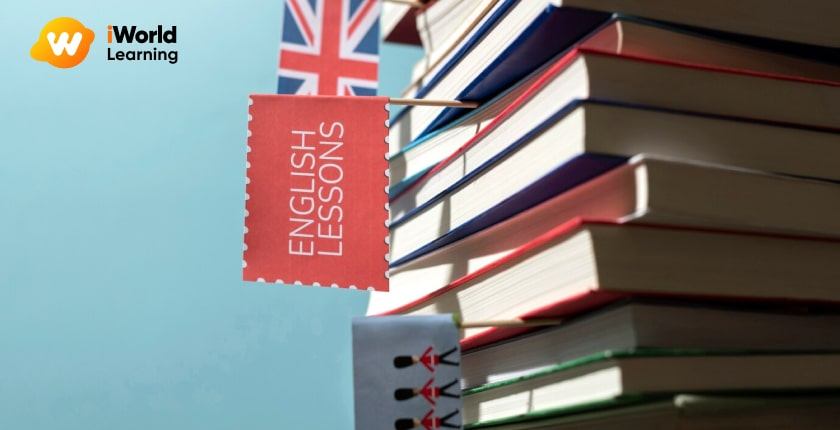
The goal is to develop students into effective communicators who can think critically, express ideas clearly, and engage with a range of text types.
The STELLAR Programme in Schools
Most primary schools implement the STELLAR (Strategies for English Language Learning and Reading) approach as the primary delivery method for the MOE syllabus. STELLAR emphasises:
- Using authentic children's literature as the basis for language learning
- Interactive classroom activities such as shared reading, group discussion, and role-play
- Contextualised grammar and vocabulary instruction within meaningful texts
This represents a deliberate shift away from rote memorisation toward active language use. Understanding this shift is important because it affects how children are assessed and what skills they need to develop.
Lower Primary (P1 to P3): Building the Foundation
The early years focus on establishing core literacy skills:
| Skill Area | Focus | Typical Activities |
|---|---|---|
| Listening & Speaking | Following instructions, participating in discussions | Circle time, show-and-tell, storytelling |
| Reading & Viewing | Phonics, word recognition, basic comprehension | Shared reading, guided reading, picture discussions |
| Writing & Representing | Sentence construction, basic narrative writing | Picture composition, sentence builders, journals |
| Grammar & Vocabulary | Parts of speech, simple tenses, word meanings | Contextual exercises within reading activities |
At this stage, the emphasis is on building confidence and fluency. Children who develop strong phonics skills and a positive attitude toward reading tend to perform better as they progress to more demanding tasks in upper primary.
Why Phonics Matters Beyond P1
Phonics is often associated with kindergarten or Primary 1, but its impact extends further. Children who struggle with phoneme awareness in early primary often face compounding difficulties in spelling, vocabulary acquisition, and reading comprehension later. This is why strong primary programmes — such as those offered by iWorld Learning — include dedicated Phonics modules that reinforce these skills through systematic, engaging instruction.
Upper Primary (P4 to P6): From Foundation to Application
The transition to upper primary introduces higher-order demands:
- Composition: Students move from simple picture-based writing to continuous writing that requires planning, coherent structure, and descriptive language.
- Comprehension: Passages become longer and more complex. Students must infer meaning, identify authorial intent, and answer open-ended questions with textual evidence.
- Synthesis and Transformation: Grammar knowledge is tested through sentence combining, rewriting, and transformation exercises.
- Oral Communication: The stimulus-based conversation component requires students to discuss a visual prompt, express opinions, and respond to follow-up questions fluently.
Grammar expectations also intensify. By Primary 6, students are expected to have a solid command of tenses, subject-verb agreement, conjunctions, conditionals, and sentence variety. However, the syllabus increasingly tests grammar in context — through editing tasks and comprehension questions — rather than through isolated exercises.
What the PSLE English Paper Actually Tests
The PSLE English examination is structured to assess the full range of syllabus competencies:
- Paper 1 — Writing (27.5%): Situational Writing (functional text like emails or letters) and Continuous Writing (narrative or recount based on a theme).
- Paper 2 — Language Use and Comprehension (47.5%): Grammar, vocabulary, visual text comprehension, open-ended comprehension, and synthesis/transformation.
- Paper 3 — Listening Comprehension (10%): Multiple-choice questions based on spoken passages.
- Paper 4 — Oral Communication (15%): Reading aloud and stimulus-based conversation.
The weighting reveals that language use and comprehension dominate the assessment. Parents looking to support their child should prioritise reading widely, practising comprehension strategies, and developing the ability to express ideas clearly in writing and speech.
How to Support Your Child Within the Syllabus Framework
- Read widely and regularly: Exposure to diverse text types — narratives, information texts, news articles — builds vocabulary and comprehension skills that transfer directly to examination performance.
- Practise writing with structure: Encourage your child to plan before writing, even for short pieces. The habit of organising thoughts before producing text is the single most valuable writing skill.
- Engage in conversation: Discuss topics of interest with your child. Ask for their opinion and encourage them to support it with reasons. This builds oral fluency and critical thinking simultaneously.
- Use the MOE syllabus as a reference: The official syllabus document is publicly available on the MOE website. Use it to understand what your child is expected to learn at each level.
Supplementary Support Aligned With the Syllabus
Tuition programmes that align with the MOE syllabus — rather than following an independent curriculum — ensure that supplementary learning reinforces classroom instruction rather than conflicting with it.
iWorld Learning designs its primary English programmes around MOE syllabus requirements, supplementing them with its "Real-world Application" methodology to help students connect classroom learning with practical language use. Their CEFR-based assessment system provides a clear, internationally recognised picture of each child's proficiency level, and their small class sizes ensure that instruction is responsive to individual needs.
相关文章
Recommended Reading
Popular Articles
-
English Teacher Salary in Singapore: A Complete 2026 Guide
-
The Ultimate english learning apps Bank: Categorized & Explained
-
British Council IELTS in 2026: What Changed, What It Costs, and How to Prepare
-
The Complete 2026 Blueprint for O Level English Oral Topics 2026 Format & Strategy
-
IELTS Price in 2026: What Test-Takers Actually Pay (And How to Spend Less)
-
IELTS Test Format, Scoring, and Key Changes for 2026 Explained
-
IELTS Exam Fee 2026: Complete Guide to Costs, Payment & Savings
-
PSLE 2026: Complete Guide to Exam Dates, Scoring System, and Preparation Strategies
-
IELTS Test Dates 2026: Monthly Schedule, Booking Strategy, and Prep Timeline
-
The Top 10 Tuition Centres in Singapore (2025) – A Curated Review for Parents & Students
latest articles
-
Limited Synonyms: Restricted, Finite, or Scarce?
-
From Many to One: Formal Alternatives for a Latin Motto
-
Domestic Partner Meaning: Relationship and Legal Context
-
English Tuition Near an MRT: Look Beyond Location
-
Arachnid Meaning: A Dictionary Guide With Examples
-
Seldom Meaning: Position, Tone, and Examples
-
Hosanna Meaning: Praise, Prayer, and Context
-
Sophocles Meaning: Name, Context, and Pronunciation
-
Primary Composition at Home: A Practical Writing Routine
-
Ares Meaning: The Greek God and Modern Proper Name