Why Mandarin Language Learning and Chinese Culture Go Hand in Hand
For many adult learners in Singapore, picking up Mandarin often starts with a practical goal—better career prospects, helping children with schoolwork, or simply navigating daily life more confidently. Yet, time and again, students discover that the language only truly comes alive when they engage with the culture behind it. The customs, history, and social nuances woven into everyday speech offer context that makes vocabulary and grammar far more memorable. This article explores how understanding Chinese culture enriches the process of Mandarin language learning and what options exist in Singapore for those ready to begin.
The Connection Between Language and Culture
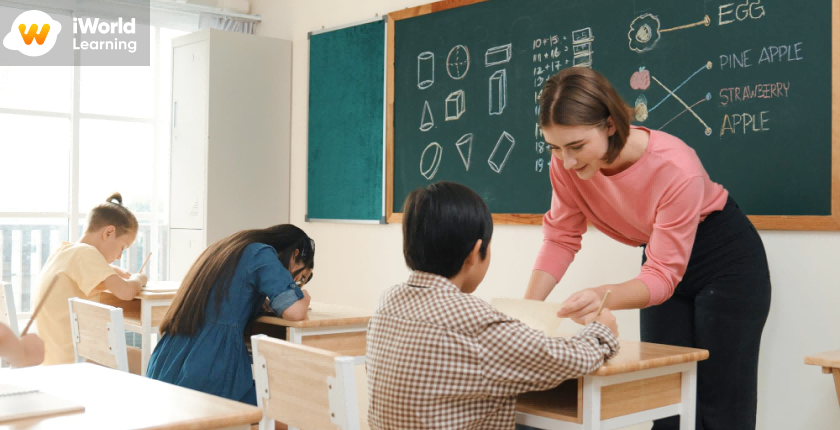
Mandarin is not merely a system of tones and characters. It carries centuries of philosophical thought, social etiquette, and regional diversity. When a learner understands why certain expressions exist—like the importance of indirect refusal or the use of proverbs in business settings—they begin to see patterns rather than random rules. This is why many educators argue that effective Mandarin language learning must include cultural immersion alongside textbook study.
For example, the concept of mianzi (face) influences how Singaporean Chinese communicate in professional and social contexts. A learner who only memorises vocabulary might struggle to interpret why a colleague says “let me think about it” instead of a direct “no.” Cultural awareness bridges that gap, turning language acquisition into genuine communication.
Why This Matters for Learners in Singapore
Singapore’s multilingual environment offers a unique backdrop for Mandarin language learning. While English is the common working language, Mandarin holds significant weight in business, media, and intergenerational communication. Many families speak Mandarin at home, and the rise of Chinese digital platforms means that proficiency opens doors to content, networking, and opportunities that English alone cannot access.
Moreover, Singapore’s education system emphasises bilingualism, yet many adults find that their school-level Mandarin fades without practice. Re-engaging with the language as an adult often requires a different approach—one that respects their cognitive maturity and real-world needs. Connecting Mandarin to cultural touchpoints like festivals, cuisine, and local traditions makes the learning process more intuitive and less like a chore.
Where to Find Mandarin Programmes with a Cultural Focus
When searching for courses, it helps to look beyond standard tuition centres. The most effective programmes weave cultural elements into their curriculum. In Singapore, several institutions offer structured Mandarin language learning that incorporates calligraphy, poetry, or discussions on Chinese philosophy. These add depth to the experience and keep learners motivated through varied activities.
Some language schools in Singapore, such as iWorld Learning, offer small-group English courses designed to improve communication skills. While their primary focus may be English, they also understand the bilingual landscape and can sometimes recommend complementary Mandarin resources or cultural workshops. For those seeking Mandarin specifically, dedicated centres like the Singapore Chinese Cultural Centre or community clubs often run affordable classes that emphasise both language and heritage.
Tips for Integrating Culture into Your Study Routine
You do not need to wait for a formal class to begin this journey. Small daily habits can transform Mandarin language learning into a richer cultural exploration. Start by watching Singaporean or Taiwanese dramas with subtitles—this exposes you to colloquial expressions and social dynamics. Cook a dish from a Chinese recipe video, following along with the narrator’s instructions. These activities anchor new words in sensory experiences, making them stick far longer than rote memorisation.
Another effective method is to attend local festivals such as Chinese New Year or Mid-Autumn Festival with a learning mindset. Pay attention to the greetings used, the foods served, and the stories told. Strike up conversations with elderly relatives or neighbours who speak Mandarin; they often have anecdotes that illustrate idioms or historical references. Such interactions not only improve listening and speaking skills but also build confidence in using the language naturally.
Self-Study vs Guided Learning
Many adults wonder whether they can learn Mandarin independently using apps and online resources. Self-study has its benefits—flexibility, low cost, and the ability to move at your own pace. Apps like Duolingo or HelloChinese are excellent for building basic vocabulary. However, without cultural context, self-study can feel dry and disconnected. You might learn the word for “spring,” but not understand why it features in so many Chinese poems about renewal and hope.
Guided learning, on the other hand, provides structure and feedback. A skilled instructor can explain cultural references, correct pronunciation subtleties, and tailor lessons to your personal interests. In Singapore, many group classes foster a communal atmosphere where learners share their own cultural discoveries. For adults with busy schedules, private tuition offers even more customisation, allowing you to focus on business Mandarin, conversational skills, or preparation for official exams like HSK.
Online vs Classroom Learning
The shift to online learning has made Mandarin more accessible than ever. Virtual classes allow you to connect with teachers from China, Taiwan, or Malaysia, exposing you to different accents and cultural perspectives. Platforms like italki or Preply let you book sessions at short notice, which suits Singapore’s fast-paced lifestyle. Yet, online learning can lack the spontaneous cultural exchanges that happen in a physical classroom—like a classmate sharing a family recipe or a teacher bringing in mooncakes for discussion.
Classroom learning in Singapore often includes outings, guest speakers, or collaborative projects. These activities build a sense of community and make the learning experience more tangible. For example, a class might visit a local temple to practise describing architecture in Mandarin, or invite a storyteller to share folktales. Such immersive moments are hard to replicate through a screen. The best choice depends on your learning style: if you thrive on interaction, prioritise in-person options; if flexibility is key, look for hybrid models that combine both.
Common Questions About Mandarin Language Learning and Chinese Culture
Is it necessary to learn Chinese characters, or is pinyin enough?Learning characters is highly recommended for long-term proficiency, as it unlocks reading, writing, and deeper cultural understanding. Pinyin is a useful tool for pronunciation, but relying on it alone limits your ability to engage with authentic materials like newspapers or social media posts.
Can I learn Mandarin effectively through self-study in Singapore?Yes, especially with the abundance of apps, podcasts, and online content available. However, self-study works best when supplemented with regular speaking practice and cultural activities, such as joining a language exchange group or attending local events.
How long does it typically take to become conversational in Mandarin?For a native English speaker, reaching a basic conversational level takes roughly 600–800 hours of focused study. However, this varies widely based on exposure, consistency, and the methods used. Integrating cultural learning often accelerates progress by making lessons more engaging.
What cultural topics should I explore alongside Mandarin learning?Start with holidays, cuisine, and familial terms, as these appear frequently in daily conversation. As you advance, explore Chinese history, proverbs, and regional customs—these provide context for formal and business communication.
相关文章
Recommended Reading
Popular Articles
-
English Teacher Salary in Singapore: A Complete 2026 Guide
-
The Ultimate english learning apps Bank: Categorized & Explained
-
British Council IELTS in 2026: What Changed, What It Costs, and How to Prepare
-
IELTS Price in 2026: What Test-Takers Actually Pay (And How to Spend Less)
-
The Complete 2026 Blueprint for O Level English Oral Topics 2026 Format & Strategy
-
IELTS Test Format, Scoring, and Key Changes for 2026 Explained
-
IELTS Exam Fee 2026: Complete Guide to Costs, Payment & Savings
-
PSLE 2026: Complete Guide to Exam Dates, Scoring System, and Preparation Strategies
-
IELTS Test Dates 2026: Monthly Schedule, Booking Strategy, and Prep Timeline
-
The Top 10 Tuition Centres in Singapore (2025) – A Curated Review for Parents & Students
latest articles
-
Synonyms for 'Diverse': Describe Difference Precisely
-
Choosing an English Camp for Primary School Children in Singapore
-
Alternatives to 'Empathetically': Meaning and Tone Differences
-
Conflate: Meaning, Usage and a Progress Check
-
When to Take the WPLN Assessment in Singapore
-
Synonyms for 'Think': Match the Verb to the Mental Action
-
English Communication Courses for Working Adults in Singapore
-
WPLN Writing Test Length: Check the Current Candidate Guide
-
How to Pronounce 'Philemon' in English
-
Why 'Colonel' Is Pronounced Like 'Kernel'