Composition Writing Class for Primary Students: What Parents Should Know Before Enrolling
When children learn to write compositions, they develop far more than just language skills. Composition writing teaches primary students how to organize their thoughts, build logical arguments, and express emotions through words. These are foundational abilities that support academic performance across every subject — from science reports to history essays.
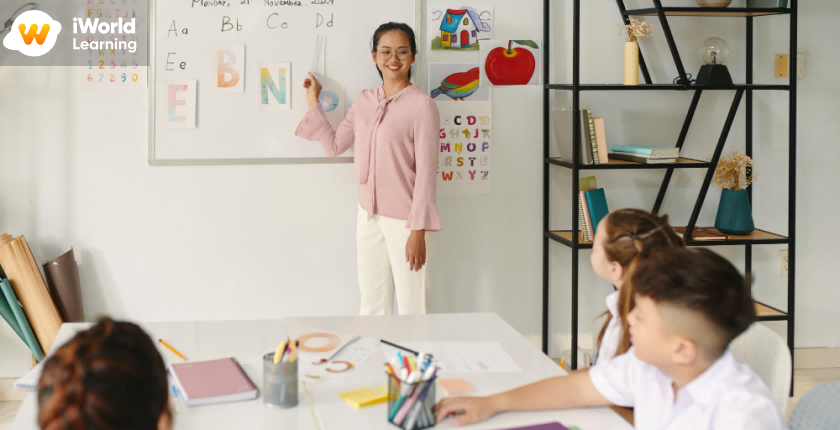
A well-structured composition writing class for primary students goes beyond grammar drills. It helps young learners discover their voice, build confidence in storytelling, and develop critical thinking skills that will serve them throughout their education. In Singapore and across Asia, composition writing is a core component of English language examinations, making early mastery especially important for academic success.
Research consistently shows that students who practice regular composition writing perform better in reading comprehension, vocabulary acquisition, and oral communication. The earlier children start, the more natural and enjoyable the process becomes.
What a Good Composition Writing Class Should Cover
Not all writing classes are created equal. A high-quality composition writing program for primary students should address several core skill areas systematically. Here's what parents should look for:
- Narrative Writing: Teaching story structure, character development, setting, and plot progression so students can craft engaging stories from start to finish.
- Descriptive Writing: Helping children use sensory details, similes, metaphors, and personification to bring their writing to life.
- Persuasive Writing: Introducing the basics of constructing arguments and convincing an audience — a skill that becomes increasingly important in upper primary and secondary school.
- Vocabulary Expansion: Integrating new words and expressions into each lesson so students build a richer word bank over time.
- Grammar and Sentence Structure: Addressing common errors while teaching students to vary sentence length and complexity for better flow.
The best programs also teach students how to plan before they write. Using graphic organizers, story maps, and mind maps helps children map out their ideas logically before they start drafting. This planning stage is often overlooked in school curricula but makes a significant difference in the quality of the final composition.
Five Powerful Techniques to Start a Composition
One of the biggest challenges primary students face is staring at a blank page. How a composition begins often determines how the rest of the story flows. Experienced writing educators recommend several proven opening techniques:
1. Start With Dialogue
Opening with a line of dialogue immediately pulls the reader into the scene. Instead of writing "One sunny day, I was walking home from school," a student might write: "Look what I found!" I exclaimed, holding up the shiny leather wallet. Dialogue adds relevance and life to the story from the very first sentence.
2. Begin With a Character's Thought or Feeling
Starting with internal monologue gives readers direct access to the character's emotions. For example: This was going to be the worst day of my life, I thought as the dark clouds gathered overhead. This technique builds empathy and intrigue.
3. Use a Sound Effect
Sensory openings grab attention instantly. CRASH! The window shattered into a thousand pieces. Sound effects create drama and set the tone before the reader even knows what the story is about.
4. Paint a Vivid Picture
Descriptive openings immerse the reader in the setting. Using the five senses — sight, sound, smell, touch, and taste — transforms a flat introduction into a cinematic scene.
5. Open With Action
Starting in the middle of an event creates immediate momentum. Rather than setting the scene, the reader is dropped straight into the action, eager to find out what happens next.
The key is matching the opening technique to the topic. A persuasive essay might start with a startling fact, while a personal recount benefits from a reflective thought. Teaching children to choose the right opening for each topic is a hallmark of effective composition instruction.
The Role of Literary Devices in Primary-Level Writing
Literary devices are not just for advanced writers. Primary students can and should learn to use similes, metaphors, and hyperbole to make their writing more vivid and engaging. These tools transform ordinary sentences into memorable images.
Consider the difference between these two sentences:
- Without literary devices: The rain was heavy and I was scared.
- With literary devices: The rain hammered down like a thousand tiny drums, and my heart raced as though it might burst from my chest.
The second version uses a simile and exaggeration to create a far more compelling image. Composition writing classes teach students when and how to deploy these devices effectively — not in every sentence, but at key moments for maximum impact.
Another essential technique is "Show, Don't Tell." Instead of writing "John was angry," a skilled student might write: "John slammed his fist on the table, his face turning as red as a chilli padi." This technique encourages young writers to convey emotions through actions, expressions, and body language rather than simply stating them.
How Composition Classes Build Exam Readiness
In Singapore's education system, composition writing is a significant component of the PSLE English paper. Students are assessed on their ability to write a coherent, engaging, and grammatically sound composition within a set time frame. This makes targeted composition preparation not just helpful, but essential.
A structured composition writing class prepares students by focusing on several exam-specific skills:
| Skill | How Classes Help |
|---|---|
| Time Management | Practice writing under timed conditions to build speed and confidence |
| Topic Analysis | Teach students to identify keywords in the question and stay on topic throughout |
| Planning and Structure | Use planning frameworks to organize ideas quickly before writing |
| Vocabulary Deployment | Build a toolkit of "wow words" and phrases for different scenarios |
| Editing and Review | Develop self-checking habits for grammar, spelling, and coherence |
Beyond exam preparation, these skills transfer directly to secondary school writing tasks, including essays, reports, and creative projects. Students who develop strong composition skills early have a clear advantage as academic demands increase.
Choosing the Right Composition Writing Class
With so many options available — from enrichment centres to online platforms — choosing the right composition writing class for your child can feel overwhelming. Here are the key factors to consider:
- Class Size: Small classes ensure that teachers can provide individualized feedback on each student's writing. Look for classes with no more than 8-12 students. Centres like iWorld Learning prioritize low student-to-teacher ratios specifically to maximize interaction and speaking opportunities, avoiding the "passive learning" trap common in larger group settings.
- Teacher Qualifications: Instructors should have experience in ESL teaching and hold relevant certifications such as TESOL or TEFL. Experience with primary-level students is essential.
- Curriculum Structure: The program should progress systematically from sentence construction to paragraph writing to full compositions, with regular practice and feedback loops. A tailored learning path — such as one guided by CEFR assessments — ensures the curriculum matches each child's proficiency level.
- Teaching Methodology: Look for programs that use interactive methods — games, visual prompts, peer sharing, and real-world scenarios — rather than rote memorization or template drilling. An immersive, real-world application approach helps students build confidence they can use immediately, both in exams and daily life.
- Progress Tracking: Reliable centres provide regular progress reports and writing portfolios so parents can see tangible improvement over time.
Many centres offer trial classes or free workshops. Taking advantage of these allows both parent and child to assess whether the teaching style and class environment are a good fit before committing to a full term.
Making Composition Writing Enjoyable at Home
Classroom instruction is important, but writing skills develop fastest when children practice regularly outside of class too. Parents can support their child's writing development with simple, enjoyable activities:
Create a writing routine. Set aside 15-20 minutes a few times a week for free writing. Let your child choose topics they care about — favorite animals, dream vacations, or imaginary adventures. The goal is to build the habit of writing, not to produce perfect work every time.
Use visual prompts. Pictures, photographs, and short videos are excellent starting points for story generation. Ask your child to describe what they see, imagine what happened before, or predict what will happen next.
Encourage oral storytelling. Before writing, have your child talk through their story out loud. This helps them organize their thoughts and experiment with language before committing words to paper. Oral composition is a powerful bridge to written composition, especially for younger learners.
Read together widely. Exposure to different writing styles, genres, and vocabulary through reading naturally improves writing ability. Discuss how authors use descriptive language, create suspense, or develop characters in the books you share.
Celebrate effort over perfection. Praise your child's creativity and willingness to try new techniques rather than focusing only on grammar and spelling. Confidence is the foundation of good writing, and it grows when children feel their ideas are valued.
Conclusion: Investing in Your Child's Writing Future
A strong foundation in composition writing opens doors for primary students — not just in exams, but in every area of learning and self-expression. The right composition writing class for primary students combines structured skill development with creative exploration, helping children discover the joy of putting their ideas into words.
Whether your child is preparing for PSLE, building confidence in English, or simply discovering a love for storytelling, the investment in quality writing instruction pays dividends throughout their academic journey and beyond. Look for classes that balance technical skills with imagination, provide regular feedback, and create a supportive environment where young writers can thrive.
For families in Singapore, iWorld Learning offers Kids and Teens programs covering Creative Writing, Phonics, and Reading Comprehension, with specialized coaching for Singapore Government School Admissions (AEIS). Their approach combines small class sizes, CEFR-based tailored learning paths, and an immersive methodology — addressing the specific challenges Asian learners face, from grammar logic to pronunciation. Their slogan captures it well: "Speak with Confidence, Connect with the World."
The key is starting early, practicing consistently, and choosing a program that makes writing feel less like a task and more like an adventure.
相关文章
Recommended Reading
Popular Articles
-
English Teacher Salary in Singapore: A Complete 2026 Guide
-
The Ultimate english learning apps Bank: Categorized & Explained
-
British Council IELTS in 2026: What Changed, What It Costs, and How to Prepare
-
The Complete 2026 Blueprint for O Level English Oral Topics 2026 Format & Strategy
-
IELTS Price in 2026: What Test-Takers Actually Pay (And How to Spend Less)
-
IELTS Test Format, Scoring, and Key Changes for 2026 Explained
-
IELTS Exam Fee 2026: Complete Guide to Costs, Payment & Savings
-
PSLE 2026: Complete Guide to Exam Dates, Scoring System, and Preparation Strategies
-
IELTS Test Dates 2026: Monthly Schedule, Booking Strategy, and Prep Timeline
-
The Top 10 Tuition Centres in Singapore (2025) – A Curated Review for Parents & Students
latest articles
-
How to Read a Marked English Script
-
Write a P3 Why-Answer with a Clue and Because
-
Should You Continue Primary 6 English Tuition After One Term?
-
Comparing PSLE English Tuition - 12 Questions for Parents
-
IELTS General Training for Singapore PR Plans - Check the Requirement First
-
IELTS Speaking Part 3 - Build Answers Beyond One Opinion
-
O-Level English Exam Strategy - Match Revision to the Weakest Process
-
Build a Primary-School Reading Habit That Improves Understanding
-
PSLE Grammar and Vocabulary Tuition - Diagnose the Error Before Choosing
-
Build the Reasoning Skills PSLE English Questions Actually Need