Best English Tuition Centre Singapore: 5 Centre Types Compared
Top Picks at a Glance: There is no single best English tuition centre in Singapore, because the best type depends on the child. Small-group specialist centres are the strongest all-round choice for most students, franchise chains suit structured exam preparation, home tutoring suits scheduling flexibility, online tuition suits travel-heavy families, and neighbourhood centres suit budget-conscious beginners.
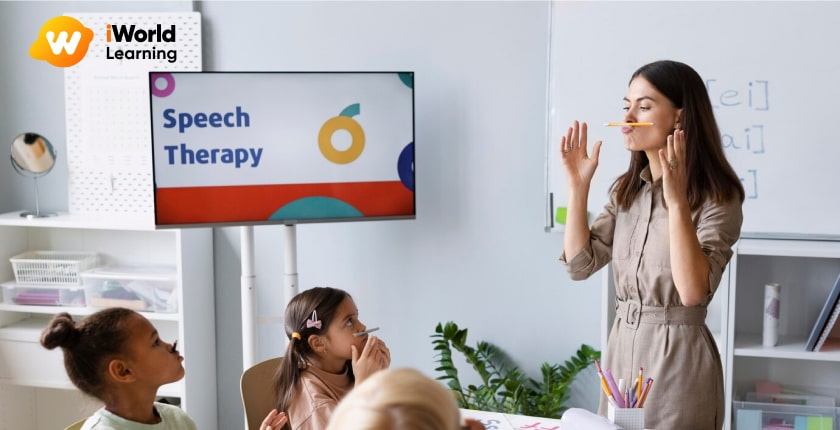
An English tuition centre in Singapore is a learning provider that runs scheduled English lessons for students outside school hours, usually in small groups, with structured curricula and progress reporting.
"Best" lists for tuition centres are usually marketing, because no centre is measured against every child's needs. This comparison ranks five centre types by how they serve different learners, so you can choose the type first and the specific centre second. It is an editorial comparison based on how these formats work, not an official ranking of named providers.
How the Five Centre Types Compare
| Type | Typical Class Size | Strengths | Watch Out For |
|---|---|---|---|
| Small-group specialist centres | Six to eight | Speaking and writing feedback, individual attention | Higher per-hour cost |
| Large franchise chains | Fifteen or more | Structured materials, many locations | Little individual feedback |
| Home tutoring services | One to one | Flexible scheduling, full attention | Cost, less oversight of progress |
| Online-only tuition | One to one or small group | Convenience, recorded lessons | Screen fatigue, weaker social practice |
| Neighbourhood centres | Varies | Budget-friendly, close to home | Uneven teacher qualifications |
The Five Centre Types
1. Small-Group Specialist Centres
What They Are: Centres built around small classes of six to eight, with placement assessments and teachers who specialise in English rather than a dozen subjects.
Why They Lead for Most Students: English improves through speaking, writing, and correction, and a small group guarantees all three in every lesson. A teacher who hears each child weekly can target the actual weakness, which is what tuition is for.
Watch Out For: "Small class" is a marketing phrase; ask for the exact maximum and get it in writing.
2. Large Franchise Chains
What They Are: Multi-subject brands with standardised worksheets and branches across the island.
Why They Suit Some Families: The materials are structured and exam-focused, which helps students who mainly need drill and practice volume for formats such as PSLE. Multiple locations simplify logistics for families who move.
Watch Out For: Classes of fifteen or more leave quiet students un-corrected for whole terms. English skills need feedback, and volume cannot replace it.
3. Home Tutoring Services
What They Are: Agencies or independent tutors who teach at the student's home, one to one.
Why They Suit Some Families: Scheduling follows the family, and attention is total. For a narrow, urgent gap such as reading that has fallen behind, one-to-one sessions are the fastest format.
Watch Out For: Per-hour costs are higher, and progress depends on one person with less oversight than a centre provides. Verify the tutor's qualifications and teaching experience yourself.
4. Online-Only Tuition
What They Are: Lessons delivered by video, either live or recorded, with digital materials and automated practice.
Why They Suit Some Families: No travel, flexible times, and recorded lessons for review. For families with packed schedules or long commutes, online tuition is the most convenient format.
Watch Out For: Screen fatigue is real for younger students, and speaking practice loses the social energy of a room. For primary-age learners, check that lessons include live conversation, not only videos and quizzes.
5. Neighbourhood Centres
What They Are: Small centres in heartland malls and residential areas, often multi-subject and priced for the neighbourhood.
Why They Suit Some Families: They are affordable and close to home, which keeps attendance high, and for young children starting phonics or basic reading they can be a reasonable entry point.
Watch Out For: Teacher qualifications vary more than in specialist centres, and English is sometimes taught by generalists. Check who teaches your child's class and what English-specific training they have.
How to Judge "Best" for Your Child
Translate every "best" claim into checkable facts: maximum class size, the assigned teacher's qualifications, a curriculum matched to your child's school, and progress reports you actually receive. A centre that answers all four clearly deserves the shortlist; a centre that answers with awards and slogans does not.
iWorld Learning, a Singapore-based English language school, runs small-group English programmes for children and teens at its Tanjong Pagar (CBD) and Somerset campuses, with internationally certified teachers and CEFR-based placement. See the primary school English page or the full course list.
What English Tuition Costs in Singapore
English tuition costs in Singapore depend on centre type, class size, and teacher qualifications. Kids' group classes often start above S$50 per hour, with one-to-one tutoring higher. Compare the cost per hour of real teacher attention, and confirm package terms such as make-up classes before paying.
Summary
The best English tuition centre in Singapore is the type that fits your child: small-group specialist centres for most students, franchise chains for structured exam drill, home tutoring for flexibility, online tuition for convenience, and neighbourhood centres for budget-friendly starts. Verify class size, teacher qualifications, curriculum fit, and progress reporting, then let the facts choose for you.
FAQ
Which type of English tuition centre is best in Singapore?
For most students, small-group specialist centres are the strongest all-round choice, because English improves through speaking, writing, and correction, which small classes guarantee in every lesson. Other types win for specific situations: franchises for exam drill, home tutoring for flexibility, online tuition for convenience, and neighbourhood centres for budget.
How do I judge "best English tuition centre" claims?
Convert every claim into checkable facts: the exact maximum class size, the qualifications of the teacher assigned to your child, curriculum alignment with your child's school, and progress reports you actually receive. A centre that answers all four clearly earns the shortlist; awards and slogans do not substitute.
How much does English tuition cost in Singapore?
Kids' English group classes in Singapore often start above S$50 per hour, with one-to-one tutoring higher. Centre type, class size, and teacher qualifications drive the price. Compare cost per hour of real teacher attention and confirm package terms before paying.
Are large franchise tuition centres bad for English?
Not inherently. Franchise chains provide structured, exam-focused materials that help students who mainly need drill and practice volume. The risk is class size: in groups of fifteen or more, quiet students can go a full term without individual feedback, which is the mechanism by which English actually improves.
Can my child try a tuition centre before enrolling?
Most centres offer a trial or placement session. Use it to observe the real class size, how often your child speaks, the teacher's corrections, and whether the material matches your child's school. Contact the provider through the contact page to arrange one.
相关文章
Recommended Reading
Popular Articles
-
English Teacher Salary in Singapore: A Complete 2026 Guide
-
The Ultimate english learning apps Bank: Categorized & Explained
-
British Council IELTS in 2026: What Changed, What It Costs, and How to Prepare
-
IELTS Price in 2026: What Test-Takers Actually Pay (And How to Spend Less)
-
The Complete 2026 Blueprint for O Level English Oral Topics 2026 Format & Strategy
-
IELTS Test Format, Scoring, and Key Changes for 2026 Explained
-
IELTS Exam Fee 2026: Complete Guide to Costs, Payment & Savings
-
PSLE 2026: Complete Guide to Exam Dates, Scoring System, and Preparation Strategies
-
IELTS Test Dates 2026: Monthly Schedule, Booking Strategy, and Prep Timeline
-
The Top 10 Tuition Centres in Singapore (2025) – A Curated Review for Parents & Students
latest articles
-
A Practical PSLE English Home Study Plan
-
Is 'Does This Hour Mark My Work' Natural in an Email?
-
Synonyms for 'Like': Check Progress Through Context
-
UMD TOEFL Section Requirements: Verify the Right Programme
-
Find English Tuition Near You in Singapore Step by Step
-
How to Pronounce 'Giardiniera' Clearly
-
Formal Alternatives to 'Napalm Era' in Historical Writing
-
Sophocles: Common Pronunciation and Writing Mistakes
-
Synonyms for 'Acknowledge': Choose the Right Response
-
TOEFL iBT Maximum Score: Use It for Self-Assessment Carefully