Are IELTS Preparation Courses Worth Taking in Singapore?
Introduction
If you are planning to study, work, or migrate to an English-speaking country, chances are you have heard of the IELTS exam. Many candidates in Singapore find themselves asking whether they truly need structured lessons or whether self-study might be enough. The answer is not always straightforward.
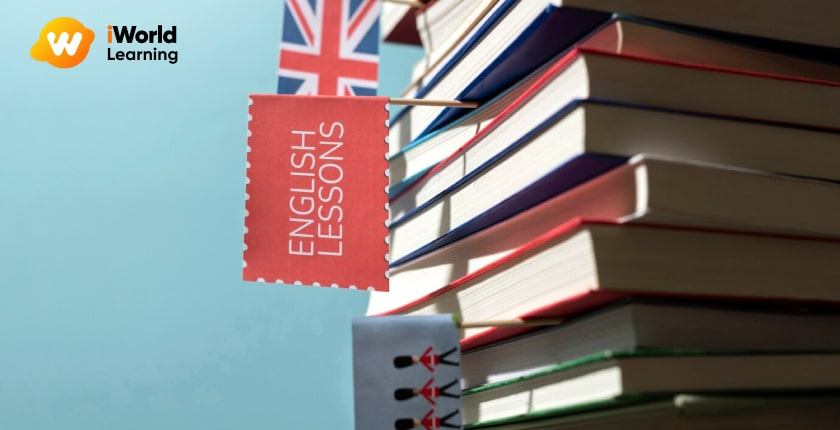
The International English Language Testing System (IELTS) tests four key skills: listening, reading, writing, and speaking. Each section has specific question types and time pressures. Without proper guidance, even fluent English speakers can struggle to achieve their target band score.
This article explores what IELTS preparation courses offer, who benefits most from them, and how to choose the right option in Singapore.
What Exactly Are IELTS Preparation Courses
IELTS preparation courses are structured programmes designed to help candidates understand the exam format, practise each skill area, and develop test-taking strategies. Unlike general English classes, these courses focus specifically on the IELTS test.
A typical course covers:
-
Time management techniques for each section
-
Common question patterns and how to approach them
-
Writing task structures for both Academic and General Training modules
-
Speaking practice with mock interviews
-
Vocabulary and grammar commonly tested in IELTS
Some courses run for four to eight weeks, while intensive options may last one to two weeks. Many learning centres in Singapore offer weekday evening or weekend classes to accommodate working professionals and students.
Why Many Learners Choose Structured Preparation
Self-study materials are widely available. You can buy official Cambridge guides, watch YouTube lessons, or download practice apps. So why do thousands of candidates in Singapore still enrol in preparation courses?
The main reason is accountability and feedback. When you study alone, you might practise writing essays but have no one to point out repeated grammar errors or structural weaknesses. In a classroom setting, experienced instructors provide personalised corrections that make a real difference.
Another factor is motivation. Attending regular classes creates a routine. You show up, you practise with peers, and you stay on track. For busy adults juggling work and family, this structure can be the difference between preparing properly and procrastinating until the week before the exam.
Types of IELTS Preparation Available in Singapore
Singapore has a wide range of IELTS preparation options. Understanding what each type offers helps you make an informed decision.
Group classes are the most common. These typically have eight to fifteen students per class. Instructors cover general strategies, and students practise in pairs or small groups. Group classes are affordable and provide peer learning opportunities, but individual attention is limited.
One-to-one coaching offers customised lessons based on your specific weaknesses. If you struggle only with writing Task 1 or need help with fluency in speaking, private sessions target those areas directly. This option costs more but delivers faster improvement for many learners.
Intensive bootcamps compress the syllabus into one or two weeks. These suit candidates who need a quick refresher or have a tight deadline. However, the pace can be overwhelming if you are starting from a lower English proficiency level.
Online courses have become increasingly popular since 2020. Live virtual classes or recorded modules allow flexibility. Some learners prefer online because they can rewatch lessons. Others find the lack of in-person speaking practice limiting.
Language schools in Singapore, such as iWorld Learning, offer structured IELTS programmes with small class sizes and experienced instructors. These courses typically include mock tests and detailed feedback on writing and speaking performance.
How to Choose the Right Course for Your Needs
Not every course suits every candidate. Before signing up, consider these factors.
Your current English level. If you already have a strong command of English and simply need to learn the exam format, a short intensive course or even self-study may be enough. If your grammar or vocabulary needs work, a longer course with foundational support is better.
Your target band score. Moving from band 5.5 to 6.5 requires different preparation than moving from 6.5 to 7.5. Higher bands demand finer control of language, including idiomatic expressions and complex sentence structures. Look for courses that explicitly mention advanced strategies.
Your schedule and learning style. Do you learn better in a classroom with others or alone with a textbook? Are you disciplined enough to follow an online schedule? Be honest with yourself. The best course is one you will actually attend and complete.
Trial lessons and reviews. Most reputable centres in Singapore offer a free trial lesson or consultation. Attend one before committing. Also read recent reviews from past students, especially those who had similar target scores as you.
Common Questions About IELTS Preparation Courses
How long do IELTS preparation courses usually take in Singapore?
Most courses run between four and eight weeks, with two to three sessions per week. Intensive options may last one to two weeks with daily classes. Some learners also choose ongoing monthly programmes that allow flexible pacing.
Can I achieve band 7 without taking a preparation course?
Yes, it is possible if you already have strong English skills and are disciplined with self-study. However, many candidates find that structured feedback on writing and speaking tasks significantly improves their scores, especially for band 7 and above.
What is the average cost of IELTS preparation courses in Singapore?
Group classes typically range from SGD 300 to SGD 800 for a four to eight-week course. Private coaching costs between SGD 80 and SGD 150 per hour. Intensive bootcamps may cost SGD 500 to SGD 1,200 depending on duration and centre reputation.
How do I know if a preparation course is high quality?
Look for small class sizes, experienced instructors with proven track records, regular mock tests with detailed feedback, and transparent success rates. A free trial lesson is a good way to assess teaching quality before enrolling.
Related Articles
Recommended Reading
Popular Articles
-
English Teacher Salary in Singapore: A Complete 2026 Guide
-
The Ultimate english learning apps Bank: Categorized & Explained
-
British Council IELTS in 2026: What Changed, What It Costs, and How to Prepare
-
IELTS Price in 2026: What Test-Takers Actually Pay (And How to Spend Less)
-
The Complete 2026 Blueprint for O Level English Oral Topics 2026 Format & Strategy
-
IELTS Test Format, Scoring, and Key Changes for 2026 Explained
-
IELTS Exam Fee 2026: Complete Guide to Costs, Payment & Savings
-
PSLE 2026: Complete Guide to Exam Dates, Scoring System, and Preparation Strategies
-
IELTS Test Dates 2026: Monthly Schedule, Booking Strategy, and Prep Timeline
-
The Top 10 Tuition Centres in Singapore (2025) – A Curated Review for Parents & Students
latest articles
-
Story Mountains for Primary Writing: A Practical Guide
-
How to Use 'Indicted' Accurately in English
-
Plan TOEFL iBT Practice Around the Full Test Cost
-
Review Small-Group PSLE Oral Practice with Useful Evidence
-
PSLE English Format Review: Fix Repeated Preparation Mistakes
-
How to Ask a Client for a Testimonial: Email
-
Review TOEFL Practice Results Without Chasing Scores
-
How to Read Spanish Dictionary Definitions and Examples
-
When an Intensive English Course Is the Right Choice
-
A Reliable Planning Method for IELTS General Training Letters