What to Look for in English Courses for Kids in Singapore
Finding the right English course for your child can feel overwhelming. There are so many options available across Singapore, from large tuition centres to small private schools. Each one promises different results. So how do you know which one actually works?
This guide walks you through what matters most when choosing english courses for kids. You will learn what to look for, what to avoid, and how to match a course to your child’s specific needs.
Why Quality English Courses Matter for Young Learners
English is the main language of instruction in Singapore’s education system. A strong foundation helps children keep up in school. It also builds confidence when speaking, reading, and writing.
But not all courses are created equal. Some focus heavily on grammar drills. Others emphasise creative writing or oral communication. The best programmes balance all these areas while keeping children engaged.
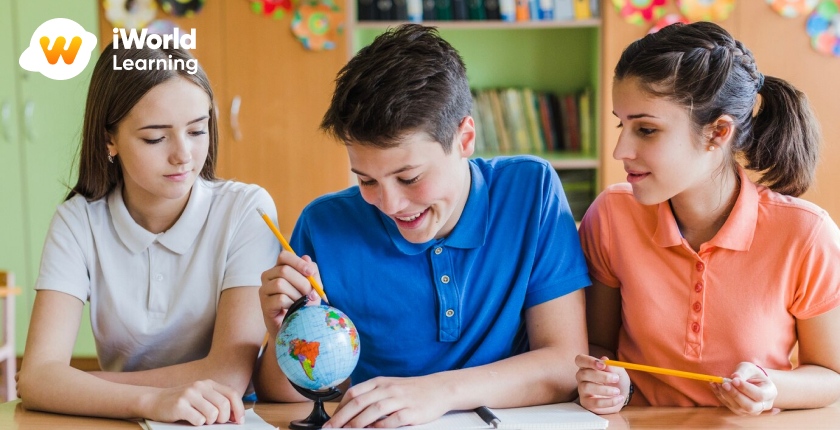
When children enjoy their lessons, they learn faster. That is why the teaching approach matters just as much as the curriculum.
What to Look for in English Courses for Kids
Before signing up, check these five key areas.
Class size. Small groups allow teachers to give individual attention. Aim for classes with no more than eight to ten students per teacher.
Teacher qualifications. Look for instructors trained in teaching English to young learners. Experience with Singapore’s MOE syllabus is an added advantage.
Curriculum structure. A clear learning pathway matters. The course should cover reading comprehension, writing skills, vocabulary building, and grammar in a logical sequence.
Progress tracking. Regular feedback helps you see improvement. Ask whether the school provides progress reports or parent-teacher meetings.
Engagement level. Observe a trial class if possible. Are children participating actively? Do they look interested? A quiet classroom does not always mean effective learning.
Some language schools in Singapore, such as iWorld Learning, offer small-group english courses for kids designed to balance academic rigour with engaging activities. This combination often works well for primary school children who need structure but also enjoy interactive learning.
Common Types of English Courses Available
You will find several formats across Singapore. Each suits different learning styles and schedules.
Weekly enrichment classes. These run once or twice per week, usually after school or on weekends. They supplement what children learn in primary school.
Holiday programmes. Intensive courses during school breaks. Good for focused skill building in a short time.
One-to-one tutoring. Personalised attention but often more expensive. Ideal for children who need extra help in specific areas.
Online courses. Flexible but requires self-discipline. Works better for older children who can stay focused without direct supervision.
Speech and drama programmes. Focus on oral communication and presentation skills. Less academic but great for building confidence.
For most primary school children, weekly enrichment classes strike the right balance between consistency and affordability.
How to Choose the Right Course for Your Child
Every child learns differently. Some need more structure. Others thrive in creative environments. Here is a simple process to follow.
Step 1: Identify your child’s weakness. Is it spelling? Reading comprehension? Essay writing? Speaking fluently? Choose a course that targets the specific issue.
Step 2: Consider your child’s personality. Shy children may benefit from small group settings where they feel safe to speak. Outgoing children might enjoy drama-based programmes.
Step 3: Check the location and schedule. A great course is useless if you cannot attend regularly. Look for centres near your home or your child’s school.
Step 4: Request a trial lesson. Most reputable centres offer a free or low-cost trial. Use this to observe how your child responds to the teacher and the materials.
Step 5: Compare pricing carefully. The most expensive option is not always the best. Look for value: hours of instruction per term, materials included, and teacher-to-student ratio.
Red Flags to Avoid
Some warning signs suggest a course may not deliver real results.
-
No trial lesson available. Quality providers are confident enough to let you observe first.
-
Teachers seem uninterested or rushed. Children pick up on this quickly.
-
Curriculum never changes. The same worksheets week after week mean limited progress.
-
No communication with parents. You should receive updates on what your child is learning.
-
Very large class sizes. More than 15 students per teacher makes individual attention impossible.
Trust your instincts. If something feels off during the trial, keep looking.
How Much Do English Courses for Kids Cost in Singapore?
Prices vary widely depending on the format and provider.
| Type of Course | Typical Monthly Cost (SGD) |
|---|---|
| Group enrichment (centre) | $300 – $600 |
| One-to-one tutoring | $80 – $150 per hour |
| Holiday programme (week) | $400 – $800 |
| Online group classes | $150 – $350 |
Some centres charge termly fees instead of monthly. Always ask about registration fees, material costs, and whether GST is included.
Cheaper does not mean better. But expensive does not guarantee results either. Focus on teacher quality and class size first, then compare prices.
Common Questions About English Courses for Kids
At what age should children start English enrichment classes?
Most children begin between ages 5 and 7, just before or during Primary 1. Starting earlier can help build reading confidence, but informal learning at home works well for very young children. Formal classes become more useful once children enter primary school.
How long does it take to see improvement in my child’s English skills?
Most parents notice small changes within 8 to 12 weeks of regular attendance. Significant improvement in areas like writing or comprehension typically takes at least one full term. Consistency matters more than intensity. Weekly classes over six months produce better results than daily crash courses.
Are online english courses for kids as effective as in-person classes?
For younger children aged 6 to 9, in-person classes generally work better because teachers can use physical activities and maintain attention more easily. For older children aged 10 and above, online courses can be equally effective if the platform includes interactive elements like breakout rooms and live feedback.
What is the difference between English tuition and English enrichment?
Tuition focuses on catching up with schoolwork or preparing for exams. Enrichment aims to build broader language skills like creative writing, public speaking, or reading for pleasure. Many children benefit from enrichment first to build confidence, then tuition later if exam pressure increases.
Final Thoughts
Choosing the right english courses for kids in Singapore takes a bit of research. But the effort pays off when your child starts reading more confidently or writing better compositions.
Start with a trial lesson. Observe how your child reacts. Ask questions about teacher training and class size. And remember: the goal is not just better grades. It is helping your child enjoy using English as a tool for learning and self-expression.
When children feel capable, they participate more in class. They ask questions. They share ideas. That confidence spreads to other subjects too. So take your time, compare a few options, and trust what you see during that trial lesson.
Related Articles
Recommended Reading
Popular Articles
-
English Teacher Salary in Singapore: A Complete 2026 Guide
-
The Ultimate english learning apps Bank: Categorized & Explained
-
British Council IELTS in 2026: What Changed, What It Costs, and How to Prepare
-
IELTS Price in 2026: What Test-Takers Actually Pay (And How to Spend Less)
-
The Complete 2026 Blueprint for O Level English Oral Topics 2026 Format & Strategy
-
IELTS Test Format, Scoring, and Key Changes for 2026 Explained
-
IELTS Exam Fee 2026: Complete Guide to Costs, Payment & Savings
-
PSLE 2026: Complete Guide to Exam Dates, Scoring System, and Preparation Strategies
-
IELTS Test Dates 2026: Monthly Schedule, Booking Strategy, and Prep Timeline
-
The Top 10 Tuition Centres in Singapore (2025) – A Curated Review for Parents & Students
latest articles
-
Story Mountains for Primary Writing: A Practical Guide
-
How to Use 'Indicted' Accurately in English
-
Plan TOEFL iBT Practice Around the Full Test Cost
-
Review Small-Group PSLE Oral Practice with Useful Evidence
-
PSLE English Format Review: Fix Repeated Preparation Mistakes
-
How to Ask a Client for a Testimonial: Email
-
Review TOEFL Practice Results Without Chasing Scores
-
How to Read Spanish Dictionary Definitions and Examples
-
When an Intensive English Course Is the Right Choice
-
A Reliable Planning Method for IELTS General Training Letters