How Do English Courses for Students Actually Help in School?
You have probably seen the flyers. “Boost your English grades.” “Improve your writing skills.” “Small class sizes available.” But what really happens inside an English course for students? And more importantly, do these courses actually make a difference in the classroom?
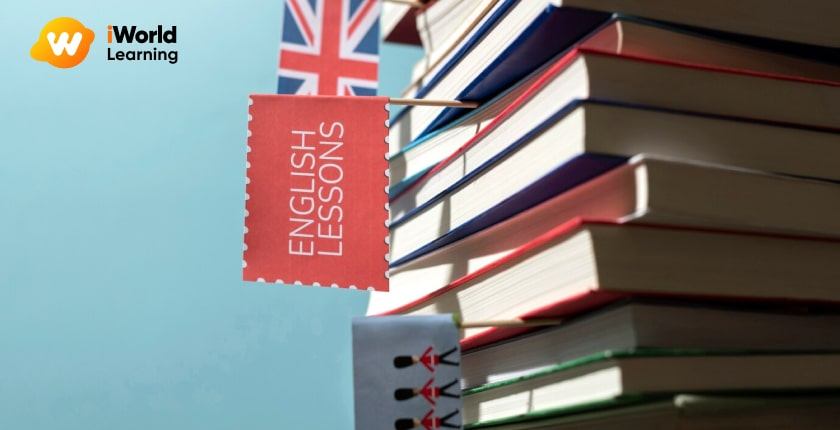
Many parents in Singapore sign their children up for English tuition without fully understanding how structured courses differ from casual tutoring. This article explains what real improvement looks like, what to expect from quality programmes, and how to match a course to your child’s specific needs.
What This Means for Daily Learning
When people talk about English courses for students, they are not referring to one single type of programme. The term covers a wide range of options. Some focus on grammar foundations. Others target creative writing or reading comprehension. There are also exam-specific courses designed for PSLE, O-Level, or AEIS preparation.
A well-designed course does more than just drill worksheets. It builds skills step by step. For example, a student who struggles with sentence structure might first learn to identify subject-verb agreement errors. Then they practice fixing those errors in short paragraphs. Finally, they apply those skills in full essays.
This layered approach is what separates a proper course from last-minute exam cramming. Real learning takes time. And the best courses respect that timeline.
Why It Matters for Academic Progress
English is not just another subject. It is the medium through which students learn science, humanities, and even maths. A student who reads slowly will struggle with word problems. A student who cannot write clearly will lose marks in open-ended questions across multiple subjects.
The impact goes beyond grades. Children who lack confidence in English often stop participating in class. They avoid raising their hands. They write shorter answers because they fear making mistakes. Over time, this hesitation becomes a habit that is hard to break.
Structured English courses interrupt this negative cycle. They provide a safe environment where mistakes are expected and corrected gently. Students get repeated practice without the pressure of being judged by a full classroom of peers.
In Singapore’s competitive education landscape, small gaps in English ability can grow into big disadvantages by secondary school. Addressing those gaps early through targeted courses is one of the most practical investments a parent can make.
Where to Find Quality English Courses in Singapore
Singapore has no shortage of English learning options. The challenge is separating high-quality programmes from average ones. Here are the main places parents look:
Tuition centres remain the most popular choice. Large chains offer structured curricula, regular progress reports, and experienced teachers. Many have been operating for over a decade and have fine-tuned their materials based on thousands of students.
Language schools are another option, especially for students who need English as an additional language. Some language schools in Singapore, such as iWorld Learning, offer small-group English courses designed to improve communication skills alongside academic writing. These are particularly useful for international students or those returning to Singapore after time abroad.
Private tutors offer flexibility. A one-to-one tutor can move at exactly the student’s pace. However, quality varies widely, and good tutors are often booked months in advance. Parents should ask for trial lessons and check references carefully.
Community centres run by the People’s Association sometimes offer affordable English enrichment classes. These are less intensive but can be a good starting point for younger children or students who need basic support.
Tips for Choosing the Right Course
Not every course fits every student. Before signing any contract, ask these five questions:
1. What is the student-teacher ratio? Classes larger than eight students make it hard for teachers to give individual feedback. For students who need significant help, look for ratios of 6:1 or smaller.
2. How does the course assess progress? A good course will have clear checkpoints. This might be weekly quizzes, marked writing assignments, or termly tests. Avoid programmes that cannot explain how they measure improvement.
3. Is the teacher trained in English education? A degree in English literature is different from training in how children learn grammar and writing. Ask about the teacher’s background and experience with your child’s age group.
4. Can you observe a trial lesson? Reputable centres offer trial sessions, sometimes at a reduced fee. Use this opportunity to watch how the teacher interacts with students. Do they correct errors constructively? Do students seem engaged?
5. Does the course match your child’s specific weakness? A general enrichment class may not help a student who only struggles with essay organisation. Look for courses that target particular skills, such as “comprehension cloze” or “situational writing.”
Common Questions About English Courses for Students
At what age should students start formal English courses?
Most students benefit from structured support starting in Primary 3 or 4. By this age, children have enough foundational skills to benefit from explicit grammar and writing instruction. Younger children often do better with reading-focused enrichment rather than formal courses.
How long does it take to see noticeable improvement?
With consistent weekly classes and regular home practice, most students show measurable progress within three to six months. Improvements in writing quality often take longer than grammar or vocabulary gains. Be patient and look for small wins, like fewer spelling errors or longer sentences.
Are group courses as effective as one-to-one tuition?
Group courses can be equally effective for motivated students who learn well from peer examples. The key is class size. A group of four to six students allows for discussion and collaboration while still giving the teacher time to address individual needs. One-to-one tuition is better for students with learning difficulties or those needing intensive catch-up.
How much do English courses in Singapore typically cost?
Prices range widely. Community centre classes may cost $150 to $250 per term. Tuition centres charge $300 to $600 per month for weekly group classes. Private tutors range from $50 to $120 per hour depending on qualifications and experience. Language schools offering specialised programmes may charge higher rates for smaller class sizes.
Related Articles
Recommended Reading
Popular Articles
-
English Teacher Salary in Singapore: A Complete 2026 Guide
-
The Ultimate english learning apps Bank: Categorized & Explained
-
British Council IELTS in 2026: What Changed, What It Costs, and How to Prepare
-
IELTS Price in 2026: What Test-Takers Actually Pay (And How to Spend Less)
-
The Complete 2026 Blueprint for O Level English Oral Topics 2026 Format & Strategy
-
IELTS Test Format, Scoring, and Key Changes for 2026 Explained
-
IELTS Exam Fee 2026: Complete Guide to Costs, Payment & Savings
-
PSLE 2026: Complete Guide to Exam Dates, Scoring System, and Preparation Strategies
-
IELTS Test Dates 2026: Monthly Schedule, Booking Strategy, and Prep Timeline
-
The Top 10 Tuition Centres in Singapore (2025) – A Curated Review for Parents & Students
latest articles
-
Story Mountains for Primary Writing: A Practical Guide
-
How to Use 'Indicted' Accurately in English
-
Plan TOEFL iBT Practice Around the Full Test Cost
-
Review Small-Group PSLE Oral Practice with Useful Evidence
-
PSLE English Format Review: Fix Repeated Preparation Mistakes
-
How to Ask a Client for a Testimonial: Email
-
Review TOEFL Practice Results Without Chasing Scores
-
How to Read Spanish Dictionary Definitions and Examples
-
When an Intensive English Course Is the Right Choice
-
A Reliable Planning Method for IELTS General Training Letters