Is a Private O Level School in Singapore Right for Your Child?
Introduction
Choosing the right educational path for your teenage years is a big decision. In Singapore, the O Level examination is a key milestone that can shape future options like junior college, polytechnic, or specialised diplomas. While most students attend mainstream secondary schools, another route exists: enrolling in a private O Level school in Singapore. This option appeals to families looking for flexibility, smaller class sizes, or a second chance at academic success. But how do you know if it fits your child’s needs?
What Is a Private O Level School in Singapore?
A private O Level school in Singapore operates independently of the Ministry of Education’s mainstream secondary school system. These schools prepare students specifically for the Cambridge O Level examinations, which are identical to those taken by government school students. However, private institutions often offer shorter preparatory courses—typically 6 to 24 months—compared to the four or five years in secondary school.
Private candidates have existed for decades. But the difference now is that specialised private schools provide structure, classroom teaching, and regular assessments. Students attend lessons in subjects like English, Mathematics, Physics, Chemistry, and Humanities. The goal remains the same: passing the O Levels to qualify for further education.
Why Do Families Consider a Private O Level School in Singapore?
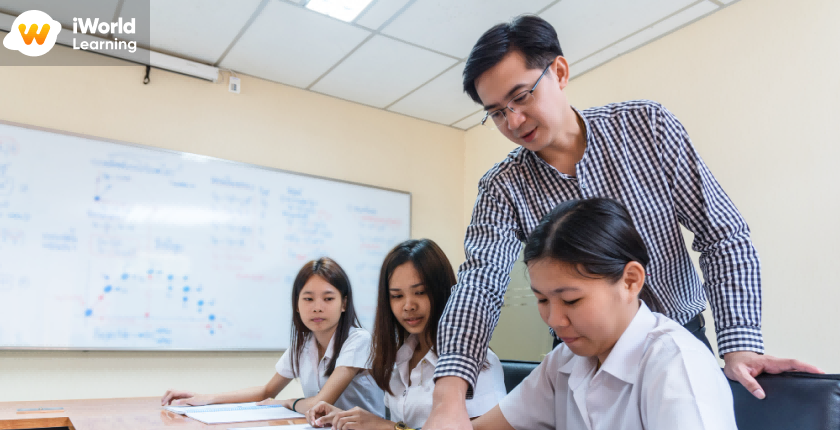
Several situations lead families to explore private O Level options.
Some students transfer from mainstream schools because they need a fresh environment. Bullying, disengagement, or simply not thriving in a large class can push families to seek alternatives.
Others are international students whose previous curriculum doesn’t align with Singapore’s system. A private O Level school offers a direct pathway to a recognised qualification.
Then there are students who have already attempted the O Levels but didn’t achieve the grades they needed. Private schools provide focused revision and exam techniques without repeating an entire secondary school cycle.
For working adults or younger learners who missed formal schooling, private O Level courses offer a structured second chance. The flexibility in intake periods—sometimes three or four times a year—also appeals to those who need to restart their academic journey quickly.
Available Options for Private O Level Preparation
Not all private schools operate the same way. Understanding the range of options helps you make an informed choice.
Full-time preparatory courses are the most common. Students attend classes five days a week, similar to regular school hours. These programs typically run for 10 to 24 months. They cover all required subjects and include mock exams, homework supervision, and progress tracking.
Part-time or evening classes suit mature students or those working part-time. Lessons happen two to three evenings per week or on weekends. The pace is slower, so completion may take longer. But this option keeps other commitments intact.
Subject-specific intensive courses focus on one or two subjects. For example, a student strong in three subjects but weak in Mathematics might enrol only for Math preparation. These shorter courses often run for three to six months leading up to exam season.
Online or hybrid models have emerged recently. Some private O Level schools now offer recorded lectures alongside weekly live tutorials. This works well for self-disciplined learners who cannot commute daily.
How to Choose the Right Private O Level School in Singapore
Selecting a school requires careful checking. Here are practical steps.
Verify registration status. All private education institutions in Singapore must be registered with the Committee for Private Education (CPE). You can check the CPE website for a school’s validity and any past penalties. Avoid unregistered operators.
Check past exam performance. Reputable schools share their O Level pass rates or improvement statistics. Ask specifically about the percentage of students who passed English and Mathematics—both critical for further education. If a school avoids these questions, consider it a warning sign.
Visit the campus. Many private O Level schools operate in smaller spaces compared to government schools. That is not necessarily a problem. But look for clean classrooms, working equipment, library access, and a quiet study environment. Speak to current students if possible.
Understand class sizes. Some private schools advertise small class sizes but actually combine levels during certain lessons. Ask for the maximum student-to-teacher ratio. For subjects like English or Science, classes above 25 students reduce individual attention.
Clarify fees upfront. Private O Level courses in Singapore range from $3,000 to over $15,000 per year depending on subject load and duration. Ask whether the fee includes materials, exam registration, and extra tutoring. Some schools charge separately for mock exam papers or after-hours support.
Look for teaching qualifications. Instructors should have relevant degrees and experience teaching the Cambridge syllabus. A school that cannot provide teacher profiles or credentials is not worth your trust.
Some established language and preparatory centres, such as iWorld Learning, offer structured English preparation alongside O Level support. While they are best known for general English courses, their approach to small-group teaching and progress monitoring mirrors what families look for in O Level preparation.
A Common Situation Families Face
Imagine Priya, a 15-year-old who moved to Singapore from India halfway through Secondary 2. She struggles to catch up because the syllabus is different and her new classmates have already covered key topics. Her parents worry about her confidence dropping further.
Priya’s school counsellor suggests transferring to a private O Level school. There, Priya joins a class of 12 students. Teachers re-teach foundational topics. She sits for a mock exam within two months and sees her scores improve. After 18 months, she passes her O Levels and enters a polytechnic course.
This scenario is not unusual. Private O Level schools exist precisely to help students like Priya—those who need a reset, more attention, or a different pace.
Why This Problem Happens
Mainstream secondary schools follow a fixed timeline. Once a cohort moves forward, catching up becomes difficult. Teachers have limited capacity to offer individual remediation when 35 other students need attention.
Additionally, international students face curriculum mismatches. A student who aced Mathematics in their home country may struggle with Singapore’s problem-solving style or specific terminology in Science. Without bridging support, frustration builds.
Then there are emotional factors. A student who feels invisible in a large school may lose motivation entirely. Private schools, with smaller environments and often more approachable staff, can reignite a willingness to learn.
Possible Solutions Beyond Just Enrolling
Enrolling in a private O Level school is one solution. But parents should combine it with other strategies.
First, request a diagnostic test before paying any large fees. A good school will assess the student’s current level in English and Mathematics. This reveals exactly how many months of preparation are realistic.
Second, agree on a study schedule at home. Private schools offer flexibility, but that only works if the student uses time wisely. Set fixed hours for homework, revision, and rest.
Third, consider tutoring for the weakest subject alongside school classes. Some students need one-on-one support for a specific topic like Additional Mathematics or Pure Physics. A combination of private school plus subject tutor often yields faster results.
Finding Private O Level Schools in Singapore
Start your search online through the CPE registration list. From there, visit school websites and shortlist three to five options. Contact each school to request a brochure, fee schedule, and sample class timetable.
Attend open houses if available. Many private schools hold these once every three months. You can meet teachers, see classrooms, and ask current students about their experience.
Speak to the principal or academic director. Ask how the school handles students who fall behind. What intervention systems exist? How often do teachers update parents? Schools without clear answers to these questions may lack structure.
Read Google reviews and forum discussions, but take them with caution. A few negative reviews may reflect individual frustrations. Patterns of complaints about unqualified teachers or hidden fees, however, are red flags.
Common Questions About Private O Level School in Singapore
Is a private O Level certificate recognised the same as a government school certificate?
Yes. The Cambridge O Level certificate is identical regardless of where you take the exam. Universities, polytechnics, and employers in Singapore and abroad accept it equally. The key difference is the school name on your testimonial, but the exam board certification matters most.
How much does a private O Level school in Singapore cost on average?
Most full-time preparatory courses cost between $8,000 and $12,000 per year. Part-time options range from $4,000 to $7,000 yearly. Always ask for a complete breakdown because textbook fees, lab fees, and exam registration can add $500 to $1,500 extra.
Can an international student enrol in a private O Level school in Singapore?
Yes, international students can enrol. The school will help with student pass applications through the Immigration and Checkpoints Authority (ICA). You must show proof of financial support and meet attendance requirements to maintain the student pass.
What is the minimum age to take private O Level courses?
Most private schools accept students aged 14 and above. There is no maximum age. Adult learners in their 20s, 30s, or even 40s have successfully completed O Levels through private schools. The key is meeting the school’s entry requirements, usually a placement test.
相关文章
Recommended Reading
Popular Articles
-
English Teacher Salary in Singapore: A Complete 2026 Guide
-
The Ultimate english learning apps Bank: Categorized & Explained
-
British Council IELTS in 2026: What Changed, What It Costs, and How to Prepare
-
IELTS Price in 2026: What Test-Takers Actually Pay (And How to Spend Less)
-
The Complete 2026 Blueprint for O Level English Oral Topics 2026 Format & Strategy
-
IELTS Test Format, Scoring, and Key Changes for 2026 Explained
-
IELTS Exam Fee 2026: Complete Guide to Costs, Payment & Savings
-
PSLE 2026: Complete Guide to Exam Dates, Scoring System, and Preparation Strategies
-
IELTS Test Dates 2026: Monthly Schedule, Booking Strategy, and Prep Timeline
-
The Top 10 Tuition Centres in Singapore (2025) – A Curated Review for Parents & Students
latest articles
-
A Practical PSLE English Home Study Plan
-
Is 'Does This Hour Mark My Work' Natural in an Email?
-
Synonyms for 'Like': Check Progress Through Context
-
UMD TOEFL Section Requirements: Verify the Right Programme
-
Find English Tuition Near You in Singapore Step by Step
-
How to Pronounce 'Giardiniera' Clearly
-
Formal Alternatives to 'Napalm Era' in Historical Writing
-
Sophocles: Common Pronunciation and Writing Mistakes
-
Synonyms for 'Acknowledge': Choose the Right Response
-
TOEFL iBT Maximum Score: Use It for Self-Assessment Carefully