Is K2 English Reading Course SG the Right Start for Your Child?
Introduction
If you have a child in Kindergarten 2, you are probably thinking about their transition to Primary 1. English reading skills become a major focus at this stage. Many parents in Singapore look for structured support to help their children build confidence before formal schooling begins. This is where a K2 English reading course SG comes into the picture. But what exactly do these courses offer? And how do you know which one works for your child?
This article walks through common situations parents face, explains why reading support matters at the K2 level, and helps you explore available options in Singapore.
A Common Situation Many Learners Face
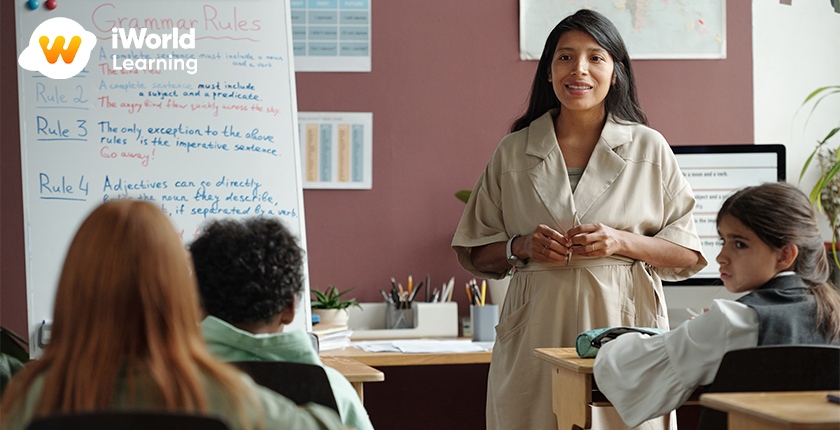
Imagine this. Your child can recognise letters and maybe a few simple words. But when you sit down to read a short story together, they lose focus quickly. They guess words based on pictures rather than sounding them out. You have tried flashcards and phonics apps at home, but progress feels slow. Meanwhile, you hear from other parents that some children in K2 are already reading simple sentences independently.
This situation is more common than you might think. Many K2 children are at different stages of reading readiness. Some are ready for blending sounds. Others still need help with letter-sound recognition. The challenge is that preschools in Singapore often have limited time for individualised reading instruction. Teachers manage large classes. So parents start looking for additional support through a K2 English reading course SG.
Why This Problem Happens
Several factors explain why reading development varies so much among K2 children. First, exposure to English at home differs across families. Some children hear rich vocabulary and storytelling daily. Others have less English interaction outside school. Second, reading requires multiple skills to work together: phonics, sight word recognition, comprehension, and focus. A child might be strong in one area but weak in another. Third, the pressure of entering Primary 1 creates anxiety for both parents and children. Schools expect basic reading ability by the time a child starts P1. This expectation drives many families to seek structured courses.
Another reason is that general preschool English lessons may not provide systematic phonics instruction. Some preschools follow a theme-based approach rather than a structured literacy programme. So parents turn to external reading courses to fill the gap.
Possible Solutions
When you recognise that your child needs extra reading support, you have several options in Singapore.
Option one: Home-based practice. You can buy phonics readers and spend 15 minutes daily on reading activities. This works well if you have the time, patience, and knowledge of how to teach phonics systematically. But many parents work full-time or feel unsure about teaching methods.
Option two: Enrichment centre classes. Many centres offer K2 reading programmes that focus on phonics, sight words, and simple comprehension. These classes typically run once or twice a week. The advantage is professional guidance and peer interaction. The challenge is finding a centre with small class sizes and experienced teachers.
Option three: One-to-one tutoring. A private tutor can tailor lessons to your child’s specific needs. This is highly effective but also the most expensive option. Waitlists for good tutors can be long.
Option four: A structured small-group course. This balances quality instruction with affordability. Some language schools in Singapore, such as iWorld Learning, offer small-group English courses designed to improve reading skills for young learners. These courses often follow a clear curriculum and provide regular progress updates.
Finding a K2 English Reading Course in Singapore
So where do you actually find a K2 English reading course SG that fits your child? Start by looking at enrichment centres near your home or workplace. Convenience matters because you will need to bring your child there consistently. Popular areas include Orchard Road, Novena, Tiong Bahru, and areas near major MRT stations.
Next, check the curriculum. A good K2 reading course should cover:
-
Systematic phonics (letter sounds, blending, segmenting)
-
High-frequency sight words
-
Reading simple sentences and short stories
-
Basic comprehension questions (who, what, where)
-
Writing connection (forming letters and simple words)
Ask about class size. For K2 children, small groups of 4 to 6 students work best. Any more than that, and individual attention decreases significantly. Also ask about teacher qualifications. Look for teachers trained in early literacy or phonics programmes such as Jolly Phonics or Letterland.
Many centres offer trial classes. Take advantage of these. Observe how your child responds to the teacher and the material. Does the teacher give clear instructions? Does the class feel structured but not rigid? Does your child leave feeling happy or tired and frustrated?
What to Expect from a Quality Course
A well-designed K2 English reading course SG will not try to push children too fast. The best courses build a strong foundation rather than rushing through content. You can expect lessons to include multi-sensory activities: tracing letters in sand, singing phonics songs, playing word games, and reading levelled books.
Progress should be gradual but visible. After a few months, your child might start blending three-letter words like c-a-t or d-o-g. Later, they may read simple sentences like “The cat sat on the mat.” By the end of K2, many children can read short storybooks with some support.
A quality course also communicates with parents. You should receive updates on what skills were taught and how to practise at home. Some centres provide take-home reading materials or online resources.
How to Decide Before Enrolling
Before you sign up for any course, ask these questions:
-
What is the teacher-to-student ratio?
-
What specific reading skills are taught each term?
-
How does the centre measure progress?
-
Can you observe a lesson first?
-
What is the cancellation or make-up policy?
Also consider your child’s temperament. Some children thrive in group settings. Others get distracted easily and might do better with a tutor. Be honest about your child’s personality. A mismatch between course structure and your child’s learning style can lead to frustration.
Cost is another factor. K2 reading courses in Singapore range from 250to600 per month depending on the centre, frequency, and class size. More expensive does not always mean better. Look for value: clear curriculum, experienced teachers, and small groups.
Common Questions About K2 English Reading Course SG
What is the best age to start a K2 English reading course?Most children start around age five or six, which is typical for K2. If your child is still in K1 and showing readiness, you could start earlier. But avoid pushing too young. Reading readiness includes both cognitive skills and attention span.
How many times per week should my child attend?Once or twice per week is standard for K2. Twice a week helps with consistency and memory retention. However, if your schedule is tight, once a week with daily home practice can still work well.
Will a K2 reading course guarantee my child can read by Primary 1?No course can guarantee outcomes because every child learns differently. However, a structured course with regular attendance and home support significantly increases the chance that your child will enter P1 with basic reading skills and confidence.
How do I know if my child needs a reading course or just more practice at home?Try consistent daily practice for four to six weeks first. Use simple phonics readers and spend 10 to 15 minutes each day. If you see clear progress, you may not need a course. If your child resists or still struggles with letter sounds, a structured course with professional guidance is worth considering.
Final Thoughts
Choosing a K2 English reading course SG is a personal decision based on your child’s needs, your family schedule, and your budget. The right course provides structure, support, and encouragement without causing stress. Visit a few centres, ask detailed questions, and trust your observation of how your child responds. A positive early reading experience builds more than skills—it builds a lifelong learner.
Related Articles
Recommended Reading
Popular Articles
-
English Teacher Salary in Singapore: A Complete 2026 Guide
-
The Ultimate english learning apps Bank: Categorized & Explained
-
British Council IELTS in 2026: What Changed, What It Costs, and How to Prepare
-
IELTS Price in 2026: What Test-Takers Actually Pay (And How to Spend Less)
-
The Complete 2026 Blueprint for O Level English Oral Topics 2026 Format & Strategy
-
IELTS Test Format, Scoring, and Key Changes for 2026 Explained
-
IELTS Exam Fee 2026: Complete Guide to Costs, Payment & Savings
-
PSLE 2026: Complete Guide to Exam Dates, Scoring System, and Preparation Strategies
-
IELTS Test Dates 2026: Monthly Schedule, Booking Strategy, and Prep Timeline
-
The Top 10 Tuition Centres in Singapore (2025) – A Curated Review for Parents & Students
latest articles
-
Story Mountains for Primary Writing: A Practical Guide
-
How to Use 'Indicted' Accurately in English
-
Plan TOEFL iBT Practice Around the Full Test Cost
-
Review Small-Group PSLE Oral Practice with Useful Evidence
-
PSLE English Format Review: Fix Repeated Preparation Mistakes
-
How to Ask a Client for a Testimonial: Email
-
Review TOEFL Practice Results Without Chasing Scores
-
How to Read Spanish Dictionary Definitions and Examples
-
When an Intensive English Course Is the Right Choice
-
A Reliable Planning Method for IELTS General Training Letters