English Enrichment Class for Primary: Beyond Tuition to Build Love for Language
Quick Answer: English enrichment classes for primary students are supplementary programmes that develop language skills beyond the school syllabus through creative writing, drama, public speaking, debate, and wide reading. Unlike tuition, which targets gaps and aligns closely with exam formats, enrichment aims to build a broader, deeper, and more joyful relationship with English — one that ultimately supports academic performance but is not defined by it.
Many parents in Singapore use the terms "tuition" and "enrichment" interchangeably, but they serve different purposes. Tuition helps a child catch up or keep up. Enrichment helps a child explore and extend. For a student who is performing at or above expected levels and enjoys English, enrichment can be more valuable than tuition — it adds breadth, builds creative confidence, and prevents English from becoming a subject associated only with exams and corrections.
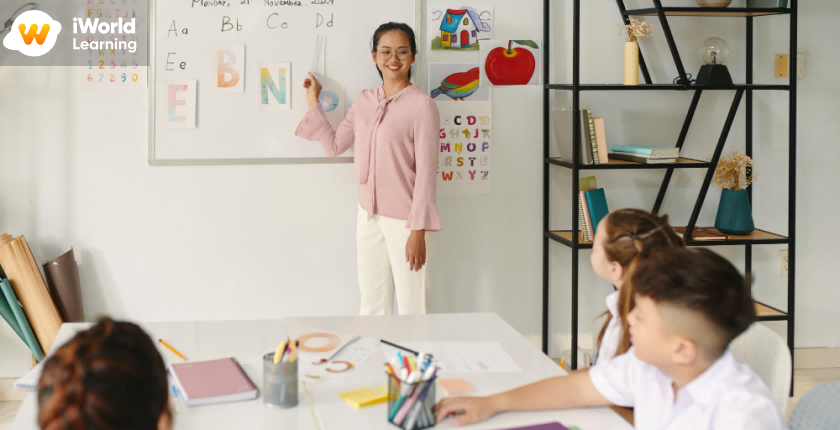
This article explains what English enrichment offers primary students, how it differs from tuition, typical formats and costs, and how to decide which path suits your child.
What English Enrichment Offers That Tuition Does Not
English enrichment for primary students is a creativity-centred approach to language development that builds skills through projects, performance, discussion, and exploration rather than through syllabus-aligned worksheets and exam drills.
| Dimension | English Tuition | English Enrichment |
|---|---|---|
| Goal | Close gaps; improve exam scores | Extend skills; build creative confidence |
| Content | Syllabus-aligned; past-year papers | Beyond syllabus; creative projects, literature, drama |
| Student profile | Below or borderline expected level | At or above expected level |
| Assessment | Regular tests, progress tracking against grade | Portfolio, performance, teacher observation |
| Outcome | Higher grades in specific components | Broader skills, deeper engagement, love of language |
Types of English Enrichment for Primary Students
Creative writing programmes develop narrative and descriptive writing far beyond what the school syllabus covers, typically through story-building techniques, character development, and sensory description. Speech and drama programmes build oral confidence through performance, improvisation, and public speaking — skills that directly support the PSLE oral examination but develop them in a low-pressure, playful context. Reading clubs foster a reading habit through guided book discussion, helping children move from "reading because I have to" to "reading because I want to." Debate and critical thinking programmes for upper primary students develop structured argumentation, rebuttal skills, and the ability to think on one's feet — skills that serve composition, oral, and general academic confidence.
When to Choose Enrichment Over Tuition
Choose enrichment when your child is performing at or above expected level in English, enjoys language-based activities, and would benefit more from breadth and creative challenge than from remedial support. Choose tuition when your child is below expected level, has specific skill gaps that need targeted attention, or needs to build exam technique and confidence ahead of a major assessment. Some families choose both — one session of tuition for exam skills and one enrichment session for creative growth. This is a valid approach if the child has the time and energy, but two English sessions per week is a significant commitment.
iWorld Learning's English programmes for young learners and Primary School English programme combine structured skill-building with engaging, interactive methods that nurture a genuine interest in the language. Small-group classes at Tanjong Pagar and Somerset campuses build both competence and confidence.
FAQ
Is English enrichment necessary for a child doing well in school English?
Not necessary, but it can be valuable. A child scoring AL1–AL2 in English may benefit more from enrichment that extends their skills creatively than from tuition that reinforces what they already know. Enrichment keeps English engaging and challenging rather than repetitive.
At what age should children start English enrichment?
Enrichment can start as early as preschool (phonics through play, storytelling, songs) and continue through primary school in age-appropriate forms. The key is matching the programme to the child's interest and developmental stage — forcing a reluctant six-year-old into a formal creative writing class is counterproductive.
Does English enrichment help with PSLE?
Indirectly. A student with strong creative writing skills, wide vocabulary from reading, and oral confidence from drama or debate will bring those assets to the PSLE English papers. But enrichment alone, without any PSLE-specific exam technique practice, may leave the student unfamiliar with the paper format and mark scheme. For P6, most families combine enrichment-style skills with some exam-focused preparation.
Summary
English enrichment classes for primary students build creative, communicative, and critical language skills beyond the school syllabus. They serve a different purpose from tuition: enrichment extends and excites, while tuition remediates and reinforces. For students performing well in English, enrichment is often more valuable than additional tuition — it develops a relationship with language that goes beyond grades and exams. The best choice depends on the individual child: their English level, their interests, their energy, and what gap — creative, remedial, or confidence-based — you are trying to fill.
Next step: Explore English programmes for your child with iWorld Learning →
相关文章
Recommended Reading
Popular Articles
-
English Teacher Salary in Singapore: A Complete 2026 Guide
-
The Ultimate english learning apps Bank: Categorized & Explained
-
British Council IELTS in 2026: What Changed, What It Costs, and How to Prepare
-
The Complete 2026 Blueprint for O Level English Oral Topics 2026 Format & Strategy
-
IELTS Price in 2026: What Test-Takers Actually Pay (And How to Spend Less)
-
IELTS Test Format, Scoring, and Key Changes for 2026 Explained
-
IELTS Exam Fee 2026: Complete Guide to Costs, Payment & Savings
-
PSLE 2026: Complete Guide to Exam Dates, Scoring System, and Preparation Strategies
-
IELTS Test Dates 2026: Monthly Schedule, Booking Strategy, and Prep Timeline
-
The Top 10 Tuition Centres in Singapore (2025) – A Curated Review for Parents & Students
latest articles
-
Limited Synonyms: Restricted, Finite, or Scarce?
-
From Many to One: Formal Alternatives for a Latin Motto
-
Domestic Partner Meaning: Relationship and Legal Context
-
English Tuition Near an MRT: Look Beyond Location
-
Arachnid Meaning: A Dictionary Guide With Examples
-
Seldom Meaning: Position, Tone, and Examples
-
Hosanna Meaning: Praise, Prayer, and Context
-
Sophocles Meaning: Name, Context, and Pronunciation
-
Primary Composition at Home: A Practical Writing Routine
-
Ares Meaning: The Greek God and Modern Proper Name