English Oral Exam Tuition in Singapore: What Parents Should Look For
Quick Answer: English oral exam tuition in Singapore helps students build speaking fluency, pronunciation accuracy, and exam-specific skills for syllabus-based oral assessments such as the PSLE English oral, O-Level English oral, and school-based speaking tests. The most effective programmes combine small-group speaking practice, structured feedback on reading aloud and stimulus-based conversation, and simulated exam conditions under timed pressure.
English oral exams carry significant weight in Singapore's national examinations, yet many students struggle not because they lack ideas but because they freeze under timed pressure or cannot organise their thoughts into coherent spoken responses. For parents, choosing the right oral exam tuition means looking beyond generic English enrichment and finding a programme that directly addresses the exam format, marking criteria, and the specific speaking weaknesses holding their child back.
What English Oral Exam Tuition Covers
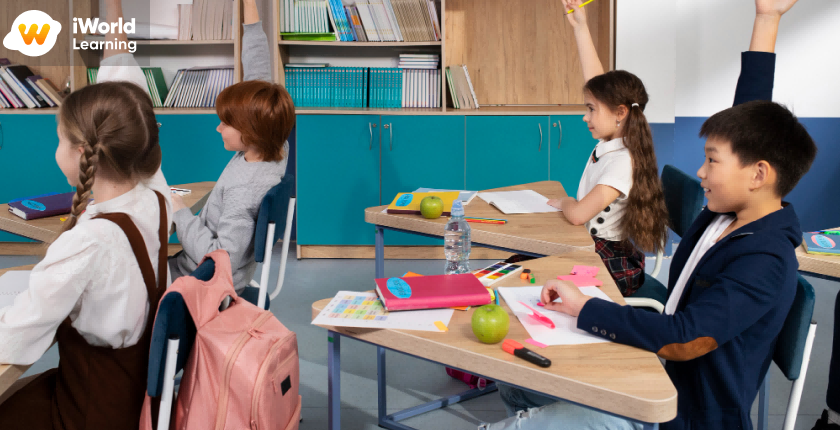
English oral exam tuition is a focused form of English speaking instruction that prepares students for the oral communication components of Singapore's school-based and national English examinations. Unlike general conversational English classes, oral exam tuition targets the specific skills tested in structured oral assessments: reading aloud with appropriate expression and pacing, responding to stimulus-based conversation prompts, and delivering extended spoken responses with clarity and coherence.
In Singapore's education system, oral examinations appear from primary school through secondary school. The PSLE English oral examination assesses a student's ability to read a passage aloud and engage in a stimulus-based conversation with the examiner. At the O-Level, the oral communication component requires students to plan and deliver a spoken response to a video clip or visual stimulus, then participate in a discussion. Each of these formats demands distinct preparation strategies that general English tuition may not address in sufficient depth.
Why Oral Exam Preparation Matters in Singapore's Education System
Oral examination components account for a meaningful percentage of the overall English grade in both PSLE and O-Level English. A student who scores well in written components but underperforms in the oral section can see their aggregate score affected enough to influence secondary school or junior college placement. This weighting makes oral exam preparation a strategic investment rather than a supplementary activity.
The challenge for many students in Singapore is not a lack of English proficiency but a lack of exam-specific speaking practice. In a typical school classroom with 30 to 40 students, each learner may get only a few minutes of individual speaking time per week. This limited practice window means students often enter the oral exam room underprepared for the demands of thinking and speaking simultaneously under timed conditions. Parents who recognise this gap often turn to external tuition to provide the focused speaking practice that school classrooms cannot deliver at scale.
Key Factors When Choosing English Oral Exam Tuition
The most important factor in choosing oral exam tuition is how closely the programme mirrors the actual exam format and marking criteria, not how many hours of practice it offers. Parents should evaluate tuition providers against these dimensions before enrolling their child.
Class Size and Speaking Time
Oral exam performance improves through repeated, individual speaking practice with immediate feedback. In a large class of 10 or more students, each child may speak for only a few minutes per session. Small-group settings of 4 to 6 students typically provide each learner with significantly more speaking time and personalised correction. When evaluating a programme, ask how many minutes of individual speaking practice each student receives per lesson rather than how long the lesson lasts.
Teacher Qualifications and Oral Exam Experience
Effective oral exam preparation requires teachers who understand both the exam marking scheme and the common pitfalls students encounter. Teachers with formal TESOL or TEFL certification and experience preparing students for Singapore's national examinations can identify subtle issues in pronunciation, pacing, and response structure that less experienced tutors may miss. A teacher who has served as an oral examiner or has trained under the examination framework brings practical insight into what examiners listen for during assessment.
Curriculum Alignment with Exam Syllabi
A strong oral exam tuition programme aligns its materials and practice sessions with the current MOE English syllabus and examination format. This means using stimulus materials that resemble actual exam prompts, practising reading-aloud passages at the appropriate difficulty level, and training students in the specific response structures examiners expect. Programmes that treat oral preparation as a subset of general conversational English may not build the exam-specific skills students need on test day.
Practice Conditions and Mock Exams
Students benefit most when practice conditions resemble the real examination setting. Programmes that include regular mock oral exams under timed conditions help students manage exam anxiety, practise pacing, and build the mental stamina to perform under pressure. Mock exams also give parents a clear picture of their child's current oral exam readiness and the specific areas that need more attention before the actual examination date.
Common Oral Exam Challenges and How Tuition Addresses Them
Reading Aloud: Expression and Pacing
Many students read aloud in a flat monotone or rush through passages without attention to punctuation and meaning. This happens because they focus on decoding words rather than conveying meaning through their voice. Quality oral exam tuition trains students to use appropriate intonation, pause at punctuation marks, and adjust their reading pace to match the content. Teachers model expressive reading and provide targeted feedback on segments where the student's delivery weakens, building the student's ability to self-correct during the exam.
Stimulus-Based Conversation: Organising Ideas Quickly
The stimulus-based conversation component challenges students to interpret a visual prompt, form an opinion, and deliver a coherent spoken response within a short preparation window. Students who freeze during this section usually struggle not with English ability but with structuring their thoughts under time pressure. Effective tuition teaches students a repeatable framework for analysing the stimulus, generating relevant points, and organising them into a clear response. Over time, this framework becomes automatic, reducing the cognitive load during the exam and freeing the student to focus on expression and vocabulary.
Pronunciation and Clarity
Pronunciation errors and unclear enunciation can affect a student's oral exam score even when the content of their response is strong. Common issues among Singapore learners include the omission of final consonants, syllable stress errors, and interference from mother-tongue pronunciation patterns. Small-group tuition allows teachers to catch and correct these errors in real time, providing the repeated practice and feedback that builds clearer, more accurate pronunciation over time.
Exam Anxiety and Confidence
For many students, the oral exam is the most stressful component of English assessment because it requires performing alone in front of an examiner. Anxiety can cause students to speak too quickly, forget their prepared points, or freeze entirely. Tuition programmes that incorporate regular low-stakes speaking practice, positive reinforcement, and gradual exposure to exam-style conditions help students build the confidence to speak calmly and clearly under assessment conditions. A student who has practised oral responses dozens of times in a supportive small-group environment is far less likely to be overwhelmed by exam-day nerves.
How iWorld Learning Supports Oral Exam Preparation
iWorld Learning is a Singapore-based English language school that helps children and teenagers improve practical English skills for school and exams through small classes, CEFR-based learning paths, and internationally certified teachers. The school's teaching approach emphasises individual speaking time and exam-specific skill development, making it relevant for students preparing for PSLE, O-Level, and school-based oral examinations.
iWorld Learning's small-group format limits each class to 4 to 6 students, giving each learner more individual speaking time than a typical large-group tuition centre. Teachers hold TESOL or TEFL certifications and bring an average of over 20 years of teaching experience, including familiarity with the oral assessment criteria used in Singapore's national examinations. Lessons incorporate reading-aloud practice, stimulus-based conversation training, and mock oral exam sessions that simulate real exam conditions, helping students build both the skills and the confidence to perform well on test day.
With two campuses at Tanjong Pagar MRT in the CBD and Somerset near Orchard Road, iWorld Learning offers convenient access for families across Singapore. Parents interested in evaluating whether the programme fits their child's oral exam needs can book a consultation through the school.
Summary
English oral exam tuition in Singapore addresses a gap that school classrooms often cannot fill: individual speaking practice with structured, exam-specific feedback. The most effective programmes offer small class sizes that maximise speaking time, teachers who understand national examination marking criteria, curriculum that mirrors actual exam formats, and regular mock exam practice under timed conditions. When evaluating tuition options, parents should focus on these dimensions rather than price or brand name alone, since the goal is measurable improvement in the specific skills that oral examiners assess.
To explore how iWorld Learning's small-group English programme supports oral exam preparation for primary and secondary school students, visit the primary school English or middle school English course pages. The school's qualified teaching team brings extensive experience preparing students for Singapore's national examination formats.
FAQ
What is the difference between English oral exam tuition and general English tuition?
English oral exam tuition focuses specifically on the speaking and listening components of school-based and national examinations, such as reading aloud, stimulus-based conversation, and spoken response planning. General English tuition typically covers reading, writing, grammar, and vocabulary across the broader syllabus. Oral exam tuition is narrower in scope but deeper in its focus on exam-specific speaking skills, assessment criteria, and timed practice conditions.
At what age should my child start English oral exam tuition?
Most students begin oral exam tuition in Primary 5 or Primary 6 when preparing for PSLE, or in Secondary 3 or Secondary 4 for O-Level preparation. However, earlier exposure to structured speaking practice in Primary 3 or Primary 4 can build a stronger foundation and reduce last-minute pressure. The right starting point depends on your child's current speaking confidence, pronunciation clarity, and how much individual speaking practice they receive in school.
How much does English oral exam tuition cost in Singapore?
English oral exam tuition in Singapore typically ranges from S$25 to S$60 per hour, depending on class size, teacher qualifications, and whether the programme is part of a broader English tuition package or a standalone oral-focused course. Small-group classes with experienced, certified teachers tend to fall in the S$35 to S$50 range. Actual pricing varies by centre, and parents should confirm fees directly with the tuition provider during consultation.
How many months of preparation does a student need before the oral exam?
Most students benefit from at least 3 to 6 months of regular oral exam preparation to build the skills and confidence needed for the examination. Shorter preparation periods of 1 to 2 months can still help with exam technique and anxiety management but may not be enough to address deeper issues in pronunciation or response organisation. The ideal preparation timeline depends on the student's starting proficiency, the exam they are preparing for, and how frequently they attend practice sessions.
Can online oral exam tuition be as effective as in-person classes?
In-person oral exam tuition typically provides a closer simulation of the actual examination environment, where the student sits face-to-face with an examiner. However, well-designed online tuition can still deliver effective speaking practice if the session includes live video interaction, individual speaking time, and real-time teacher feedback on pronunciation and delivery. For students comfortable with digital platforms, online tuition offers scheduling flexibility, though parents should verify that mock exam practice under realistic conditions is part of the programme.
How can I assess whether my child is improving through oral exam tuition?
Progress in oral exam skills can be tracked through regular mock exam sessions that use actual assessment criteria to measure reading-aloud fluency, conversation response quality, and overall speaking confidence. A reputable tuition programme should provide periodic progress reports or feedback summaries that identify specific areas of improvement and remaining weaknesses. Parents can also observe their child's willingness to speak in English at home and their ability to express ideas more fluently as indicators of growing confidence.
相关文章
Recommended Reading
Popular Articles
-
English Teacher Salary in Singapore: A Complete 2026 Guide
-
The Ultimate english learning apps Bank: Categorized & Explained
-
British Council IELTS in 2026: What Changed, What It Costs, and How to Prepare
-
IELTS Price in 2026: What Test-Takers Actually Pay (And How to Spend Less)
-
The Complete 2026 Blueprint for O Level English Oral Topics 2026 Format & Strategy
-
IELTS Test Format, Scoring, and Key Changes for 2026 Explained
-
IELTS Exam Fee 2026: Complete Guide to Costs, Payment & Savings
-
PSLE 2026: Complete Guide to Exam Dates, Scoring System, and Preparation Strategies
-
IELTS Test Dates 2026: Monthly Schedule, Booking Strategy, and Prep Timeline
-
The Top 10 Tuition Centres in Singapore (2025) – A Curated Review for Parents & Students
latest articles
-
My Child Hates Writing: A Parent's Repair Plan
-
Primary English Tuition Fees in Singapore: Cost Drivers
-
Choosing a Primary 1 English Class in Singapore
-
Tuition Deposits and Notice Periods: A Parent Checklist
-
Helping With Composition at Home: Mistakes to Avoid
-
Synonyms for 'Nervous': Match the Word to the Worry
-
'Fleetwood' as a Family Name: Origin and Usage
-
PSLE Composition Ideas: Build a Story Bank That Works
-
PSLE AL Scoring: Plan Practice Around the Bands
-
One-to-One vs Group TOEFL Prep: Costs and Fit