How to Manage PSLE Stress and Help Your Child Succeed
Every year, about 40,000 Primary 6 students in Singapore sit for the Primary School Leaving Examination (PSLE), and for many of them — and their parents — the months leading up to it bring disrupted sleep, shorter tempers, and a weight of anxiety that can overshadow the final year of primary school. Knowing how to manage PSLE stress is not about removing all pressure; it is about giving your child the emotional tools, study habits, and support systems that turn exam preparation from an overwhelming ordeal into a challenge they can face with steady confidence.
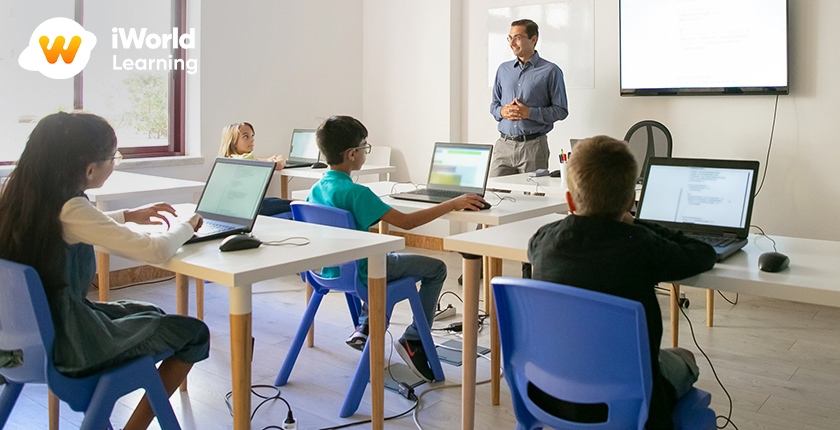
The PSLE remains one of the most significant academic milestones in a Singaporean child's life. Under the Ministry of Education (MOE) framework, PSLE results determine secondary school placement across the Express, Normal (Academic), and Normal (Technical) streams — a streaming decision that shapes the next four to five years of a student's educational journey. The introduction of the Achievement Level (AL) scoring system in 2021 replaced the old T-score with eight broad achievement bands, a reform designed to reduce fine-grained competition. Yet the pressure to secure a favourable AL score for entry into a preferred secondary school has not disappeared, and many parents find themselves searching for ways to support their children without adding to the strain.
Understanding PSLE Stress in the Singapore Context
To manage stress effectively, parents first need to understand what they are dealing with. PSLE stress is a form of performance anxiety that affects Primary 6 students as they prepare for Singapore's national examination, manifesting through physical symptoms such as headaches, stomach aches, and sleep disruption; emotional signs like irritability, tearfulness, and social withdrawal; and cognitive effects including difficulty concentrating, memory lapses, and persistent negative self-talk. This type of stress is not simply a matter of nervousness — it is a genuine physiological and psychological response to a high-stakes assessment environment.
Several factors unique to Singapore's education landscape contribute to PSLE-related stress. The AL scoring system, while less granular than the T-score, still carries tangible consequences: a difference of one AL band in a single subject can affect which secondary schools a child qualifies for. Tuition culture adds another layer — many Primary 6 students attend multiple enrichment and tuition classes each week, leaving limited time for rest and unstructured play. Add to this the natural comparison that occurs among classmates, cousins, and even siblings who have gone through PSLE before, and it becomes clear why stress levels can escalate quickly during the P6 year.
Practical Strategies for Managing PSLE Stress
Build a Consistent and Balanced Study Routine
A well-structured revision timetable is one of the most effective stress-management tools available. Rather than cramming in marathon study sessions, aim for consistent daily blocks of focused work — typically 45 to 60 minutes per subject — interspersed with short breaks of 10 to 15 minutes. The key is predictability: when a child knows exactly what to expect each day, the uncertainty that fuels anxiety is reduced. Include time for physical activity, hobbies, and unstructured downtime in the weekly schedule. A child who exercises regularly, gets sufficient sleep, and has permission to step away from the books is better equipped to retain information and stay emotionally regulated.
Recognise the Warning Signs of Excessive Stress
Not all stress is harmful — a moderate amount can sharpen focus and motivation. However, parents should watch for signs that stress has crossed into unhealthy territory. These include persistent complaints of headaches or stomach aches with no medical cause, noticeable changes in eating or sleeping patterns, reluctance to go to school, sudden drops in academic performance, and emotional outbursts that seem disproportionate to the trigger. Younger children may not have the vocabulary to say they feel overwhelmed; instead, they might become clingy, defiant, or unusually quiet. Catching these signals early allows parents to intervene before stress compounds into more serious anxiety or burnout.
Teach Simple Relaxation and Mindfulness Techniques
Even primary school children can benefit from basic relaxation strategies. Deep breathing exercises — such as the four-count inhale, four-count hold, four-count exhale method — can be practised in under two minutes and are discreet enough to use in the examination hall itself. Progressive muscle relaxation, where children learn to tense and then release different muscle groups, helps release physical tension that accumulates during long study sessions. Mindfulness activities do not need to be elaborate: a five-minute guided body scan, colouring, or simply sitting quietly and noticing five things they can see, four they can hear, and three they can feel can ground an anxious child in the present moment.
Foster Open Communication Without Adding Pressure
The way parents talk about PSLE matters enormously. Avoid framing the examination as a make-or-break event or comparing your child's performance to siblings or classmates. Instead, ask open-ended questions: "How are you feeling about your revision this week?" or "What part of today's practice paper felt trickiest?" Validate their emotions without immediately jumping to solutions — sometimes a child simply needs to be heard. When discussing results, focus on effort and improvement rather than absolute scores. Phrases like "I can see how much work you put into this" communicate that you value the process, not just the outcome, which in turn reduces the fear of disappointing you.
How Structured English Support Can Ease PSLE Anxiety
English Language is a core PSLE subject, and because it tests reading comprehension, writing, listening, and oral communication across multiple papers, it is also one of the subjects where students most commonly feel underprepared. Targeted English support can reduce this anxiety by building competence in the specific skills PSLE English assesses: situational writing, continuous writing, comprehension cloze, synthesis and transformation, and oral communication.
At iWorld Learning, a Singapore-based English language school with campuses near Tanjong Pagar MRT and Somerset MRT, PSLE preparation is approached through small class sizes that allow each student to receive individualised attention. The school's primary school English programme aligns with the MOE syllabus while focusing on the practical application of language skills — the kind of real-world usage that builds the confidence students need to tackle Paper 1 composition and Paper 4 oral examination tasks. With internationally certified teachers who average over 20 years of experience, iWorld Learning creates a learning environment where students feel safe to ask questions, make mistakes, and gradually strengthen their command of English without the fear of judgment that can heighten exam anxiety.
What sets a structured programme apart from self-study is the diagnostic element: identifying exactly which components of the English paper are causing a student the most difficulty, and then designing a targeted plan to address those gaps. When a child knows that someone is guiding them through their weak areas methodically, the overwhelming sense of not knowing where to start — a major driver of PSLE stress — begins to lift. Parents interested in understanding how this approach could benefit their child can explore iWorld Learning's small-class methodology and teaching philosophy to see whether it matches their child's learning style.
FAQ
What are the most common signs of PSLE stress in children?
Common signs include sleep disruption (difficulty falling asleep or waking up frequently), changes in appetite, recurring physical complaints like headaches or stomach aches, irritability, tearfulness, reluctance to attend school, declining interest in activities they previously enjoyed, and expressions of self-doubt or hopelessness about their abilities. Some children may also become unusually quiet or withdrawn.
How does the PSLE AL scoring system affect stress levels?
The AL system, introduced in 2021, assigns each subject a score from AL1 (90 marks and above) to AL8 (below 20 marks), with the total PSLE score being the sum of AL bands across four subjects. While this system was designed to reduce excessive competition by replacing fine-grained T-scores with broader bands, the reality is that a one-AL difference can still affect secondary school eligibility. This means the pressure to stay within a target band remains, and students who hover near band boundaries may feel heightened anxiety about every mark.
When should I seek professional help for my child's exam stress?
Consider seeking support from a school counsellor, educational psychologist, or paediatrician if your child shows persistent signs of distress lasting more than two weeks, expresses thoughts of self-harm or hopelessness, experiences panic attacks, refuses to attend school entirely, or if stress is significantly interfering with daily functioning such as eating, sleeping, or social interaction. Most primary schools in Singapore have access to counsellors who can provide initial support and referrals.
How can English tuition help reduce my child's PSLE anxiety?
Quality English tuition reduces anxiety by replacing uncertainty with competence. When a student knows they have practised each PSLE English component systematically — from oral examination techniques to composition planning frameworks and comprehension answering strategies — the fear of the unknown diminishes. Small-group tuition, in particular, provides a lower-pressure environment than a large classroom where a child might hesitate to admit they do not understand something.
What should my child do the night before and the morning of a PSLE paper?
The night before, encourage your child to stop studying by early evening, engage in a calming activity such as reading for pleasure or listening to music, pack their stationery and entry proof, and go to bed at their usual time. On the morning of the paper, a balanced breakfast, a brief review of key notes (no cramming), and arriving at school with time to spare all help set a calm tone. Remind them to read each question carefully and to use any remaining time to check their answers.
Summary
Managing PSLE stress is a shared effort between parent and child — one that requires a consistent study routine, the ability to recognise when stress becomes unhealthy, practical relaxation techniques, and open, pressure-free communication. Understanding how the AL scoring system works and why PSLE carries the weight it does in Singapore helps parents respond to their child's anxiety with empathy rather than frustration. Structured academic support, particularly in core subjects like English, can further reduce stress by building the competence and confidence that make the examination hall feel less intimidating.
If your child is preparing for PSLE and you would like to explore how small-group English tuition can support their journey, iWorld Learning offers a free trial class and personalised consultation at its Tanjong Pagar and Somerset campuses. Visit our contact page to schedule a session or learn more about how our primary school English programme helps students approach PSLE with greater readiness and less stress.
相关文章
Recommended Reading
Popular Articles
-
English Teacher Salary in Singapore: A Complete 2026 Guide
-
The Ultimate english learning apps Bank: Categorized & Explained
-
British Council IELTS in 2026: What Changed, What It Costs, and How to Prepare
-
The Complete 2026 Blueprint for O Level English Oral Topics 2026 Format & Strategy
-
IELTS Price in 2026: What Test-Takers Actually Pay (And How to Spend Less)
-
IELTS Test Format, Scoring, and Key Changes for 2026 Explained
-
IELTS Exam Fee 2026: Complete Guide to Costs, Payment & Savings
-
PSLE 2026: Complete Guide to Exam Dates, Scoring System, and Preparation Strategies
-
IELTS Test Dates 2026: Monthly Schedule, Booking Strategy, and Prep Timeline
-
The Top 10 Tuition Centres in Singapore (2025) – A Curated Review for Parents & Students
latest articles
-
Limited Synonyms: Restricted, Finite, or Scarce?
-
From Many to One: Formal Alternatives for a Latin Motto
-
Domestic Partner Meaning: Relationship and Legal Context
-
English Tuition Near an MRT: Look Beyond Location
-
Arachnid Meaning: A Dictionary Guide With Examples
-
Seldom Meaning: Position, Tone, and Examples
-
Hosanna Meaning: Praise, Prayer, and Context
-
Sophocles Meaning: Name, Context, and Pronunciation
-
Primary Composition at Home: A Practical Writing Routine
-
Ares Meaning: The Greek God and Modern Proper Name