English for Young Children Singapore: A Parent’s Guide to Early Learning
Introduction
When should children start learning English? That’s a question many parents in Singapore ask. The earlier a child is exposed to a language, the more naturally they absorb it. English for young children Singapore has become a priority for families who want their kids to build strong communication skills from the start.
Young children learn differently from adults. They don’t sit down with grammar books or memorise vocabulary lists. Instead, they pick up language through play, songs, stories, and daily conversations. That’s why finding the right approach matters.
In Singapore’s bilingual environment, English is one of the official languages. It’s used in schools, shops, and public spaces. But not every child gets the same exposure at home. Some parents feel their child needs extra support to build confidence in speaking and listening.
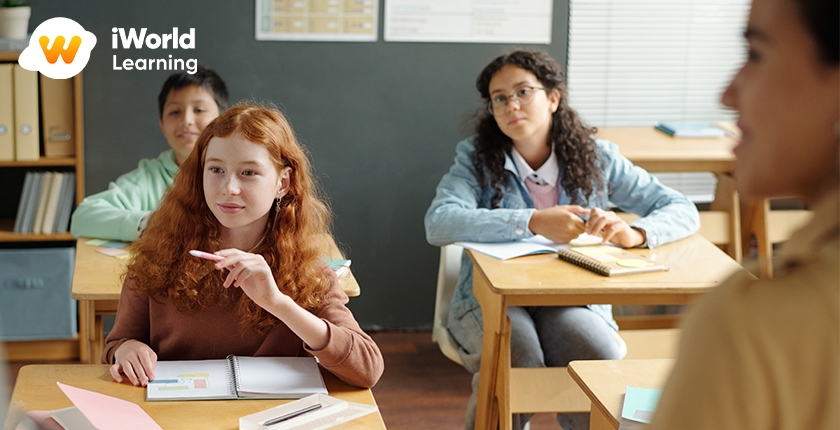
This guide explains how young children in Singapore can develop English skills. It covers practical steps, available options, and what parents should look for when choosing a programme.
Step 1: Understand Your Child’s Current Needs
Before looking for a class, take a moment to observe your child. Does your child speak English at home? Or is another language the main form of communication?
Some children understand English but are shy to speak. Others mix languages freely. A few may struggle to follow simple instructions in English. Each child is different.
Write down what you notice. For example:
-
Can your child name everyday objects like “apple” or “bus”?
-
Does your child sing along to English nursery rhymes?
-
Is your child comfortable speaking English with friends?
These small details help you decide what kind of support your child actually needs. You don’t want to put a confident speaker into a beginner class. And you don’t want a shy child to feel pressured in an advanced group.
Step 2: Explore Available Courses in Singapore
Singapore has many options for English for young children. These range from playgroups to structured enrichment centres. Here are the most common types.
Play-based programmes focus on learning through activities. Children sing, draw, build things, and listen to stories. The teacher uses English throughout the session. This works well for children aged 3 to 5.
Phonics and reading classes teach letter sounds and blending. These are popular in Singapore because parents want their children to read early. Many centres offer phonics as a standalone course.
Speech and drama classes build confidence. Children act out short scenes, recite rhymes, and practise speaking in front of others. This helps with pronunciation and expression.
School readiness programmes prepare children for Primary 1. They cover basic writing, reading comprehension, and oral communication. These are often for children aged 5 to 6.
Language schools also offer young learner courses. Some language schools in Singapore, such as iWorld Learning, provide structured English classes for children with qualified teachers and small group sizes.
Step 3: Compare Different Types of Programmes
Not every programme suits every child. Parents often feel confused by the many choices. Let’s break down what matters most.
Class size is critical. Young children need individual attention. A class with 15 children and one teacher may not give your child enough speaking time. Look for small groups of 4 to 8 children.
Teacher qualifications matter. Is the teacher trained to work with young children? Do they have experience in early childhood education? A good teacher keeps children engaged and adjusts activities based on their responses.
Lesson structure should be predictable but not boring. Young children feel safe when they know what comes next. But activities should vary to hold their attention. A typical lesson might include: a welcome song, a short story, a hands-on activity, and a goodbye rhyme.
Progress tracking helps parents see improvement. Does the school give regular updates? Can you sit in on a lesson? Some centres provide short reports or parent-teacher meetings.
Step 4: Try a Trial Class Before Committing
Most centres in Singapore offer trial classes. This is the best way to know if a programme fits your child. Watch how your child reacts. Do they smile and join in? Or do they cling to you and look uncomfortable?
Also observe the teacher’s style. Some teachers are warm and patient. Others are more energetic and fast-paced. Neither is wrong. But one may suit your child better.
During the trial, notice how the teacher handles different children. What happens when a child is distracted or refuses to participate? A skilled teacher knows how to redirect gently without shaming the child.
Ask questions after the trial. How often do children speak during class? What happens if a child falls behind? Is there homework for young children? (For ages 3 to 5, homework should be minimal or optional.)
Step 5: Create a Supportive Environment at Home
A weekly English class is helpful. But what happens at home matters even more. Children learn language through repetition and meaningful interaction. You don’t need to be a teacher to help.
Read to your child every day in English. Picture books with simple sentences are great. Point to the pictures and say the words. Ask your child questions like “What do you see here?” or “What happens next?”
Sing songs together. Nursery rhymes teach rhythm and vocabulary. You can sing in the car, during bath time, or before bed.
Use English during daily routines. “Let’s put on your shoes.” “Time to eat breakfast.” “Where is your water bottle?” These short sentences are natural and repeat often.
Play word games. “I spy with my little eye… something red.” “Can you find three things that start with the B sound?” These games make learning fun.
Limit screen time for language learning. Passive watching does not teach conversation skills. If you use videos, watch together and talk about what you saw.
Common Questions About English for Young Children Singapore
At what age should I start English classes for my child in Singapore?Most children start between age 3 and 5. At age 3, play-based exposure works best. At age 5, some parents choose phonics or school readiness programmes. However, every child develops differently, so observe your child’s readiness rather than following a fixed age.
How do I know if my child needs extra English support?Watch for signs like difficulty following simple instructions in English, avoiding speaking in groups, or mixing languages in a way that affects understanding. If you are concerned, speak to your child’s preschool teacher first. They can suggest whether enrichment classes would help.
Are English enrichment centres in Singapore expensive?Prices vary widely. Community-based programmes may cost $100 to $200 per month. Private centres often range from $300 to $600 per month for weekly classes. Trial classes are usually free or low cost, which helps you compare without spending too much upfront.
Can I teach my child English at home instead of going to a class?Yes, many parents successfully teach English at home through reading, singing, and conversation. However, some children benefit from a structured environment with other children. Classes provide social practice and a trained teacher’s guidance. A combination of home support and weekly classes often works best.
相关文章
Recommended Reading
Popular Articles
-
English Teacher Salary in Singapore: A Complete 2026 Guide
-
The Ultimate english learning apps Bank: Categorized & Explained
-
British Council IELTS in 2026: What Changed, What It Costs, and How to Prepare
-
IELTS Price in 2026: What Test-Takers Actually Pay (And How to Spend Less)
-
The Complete 2026 Blueprint for O Level English Oral Topics 2026 Format & Strategy
-
IELTS Test Format, Scoring, and Key Changes for 2026 Explained
-
IELTS Exam Fee 2026: Complete Guide to Costs, Payment & Savings
-
PSLE 2026: Complete Guide to Exam Dates, Scoring System, and Preparation Strategies
-
IELTS Test Dates 2026: Monthly Schedule, Booking Strategy, and Prep Timeline
-
The Top 10 Tuition Centres in Singapore (2025) – A Curated Review for Parents & Students
latest articles
-
Internship Request Email: Student's Template
-
Counter-Offer From Your Employer: Responding
-
Award Nomination Email: Nominate a Peer
-
How to Pronounce 'Frites' in English and French Contexts
-
Lucidity: Meaning, Context and Natural Examples
-
Salvation: Meaning in Religious and Everyday Contexts
-
Mitigate Meaning in English: Usage, Grammar and Examples
-
Exit Interview Email: HR Templates
-
Empathic Synonyms: Differences in Meaning and Tone
-
Spelling Practice at Home: What Works