Thinking About High School IGCSE? Here’s How to Pick the Right Subjects
You’ve decided that the high school IGCSE path is right for your child. But now comes the harder question: which subjects should they actually take?
Unlike the local O-Level system where subject combinations can feel quite rigid, the high school IGCSE offers remarkable flexibility. Students can choose anywhere from five to fourteen subjects, mixing sciences, humanities, languages, and creative arts.
That freedom sounds great—until you actually have to make the decisions.
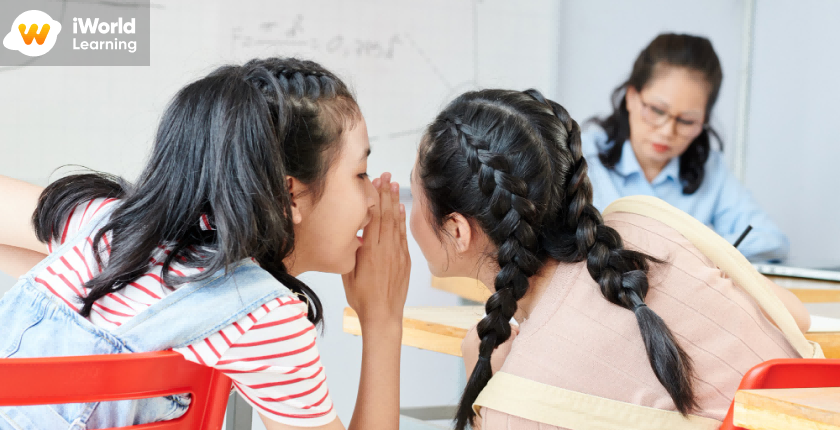
Parents in Singapore often tell me they feel overwhelmed by the subject guidebooks. Should their child take Co-ordinated Science or separate sciences? Is Geography or History more useful for future applications? Does English as a Second Language put them at a disadvantage?
Let me walk you through how to think about subject selection for the high school IGCSE in a way that reduces stress and focuses on what actually matters.
Step 1: Understand the Five Core Subject Groups
Before choosing anything, you need to know what the high school IGCSE actually requires. Cambridge organises subjects into five groups:
-
Group 1: Languages (First Language English, Second Language English, Mandarin, French, etc.)
-
Group 2: Humanities and Social Sciences (Geography, History, Economics, Global Perspectives)
-
Group 3: Sciences (Biology, Chemistry, Physics, Co-ordinated Science)
-
Group 4: Mathematics (Core Maths, Extended Maths, Additional Maths)
-
Group 5: Creative, Technical and Vocational (Art, Design, Business Studies, Computer Science, Drama)
Most schools recommend students take at least one subject from each group. But here’s the practical reality in Singapore: many students drop Group 5 entirely if they’re aiming for science or business pathways, and that’s usually fine.
The non-negotiable requirement for most high school IGCSE programmes in Singapore is English, Maths, and at least one science. Everything else depends on where your child wants to go next.
Step 2: Work Backwards From Their Next Step
This is where most parents get it wrong. They choose subjects based on what their child is good at right now, without thinking about what happens after IGCSE.
Let me give you a concrete example. A student scoring A*s in Art and English Literature might naturally lean into humanities subjects. But if that same student wants to study Engineering at a UK university later, the absence of Physics at IGCSE will close doors before they even open.
So here’s what you need to ask instead:
-
For students heading to A-Levels: Choose IGCSE subjects that allow you to take your preferred A-Level subjects. You generally need a B or above in the same subject at IGCSE level.
-
For students heading to IB Diploma: IGCSE choices matter less here, but having a broad range (sciences, languages, humanities) helps with IB’s six-subject requirement.
-
For students considering polytechnic in Singapore: Check the specific diploma requirements. Some engineering diplomas expect IGCSE Physics or Additional Maths.
A learning advisor once told me that the high school IGCSE should be treated as a platform, not a finishing line. You’re building the foundation for two more years of advanced study, not proving how many subjects you can pass.
Step 3: Balance Between “Safety” Subjects and “Stretch” Subjects
Every parent worries about their child failing. So the natural instinct is to choose subjects where the child already gets good grades.
But here’s a different perspective.
The high school IGCSE is two years long. That’s plenty of time to improve in a subject that feels hard at first. What matters more is whether the student has genuine interest in the topic, not whether they scored 80% in the last exam.
I recommend a simple balance for most students in Singapore:
-
Three “safety” subjects – areas where the student naturally performs well. For many Singapore students, this includes First Language English, Maths, and a science like Chemistry.
-
Two “stretch” subjects – areas that interest them but require effort. Maybe that’s Economics, Computer Science, or a foreign language.
-
One wildcard – something purely enjoyable. Art, Drama, Physical Education. This keeps motivation alive across two years of study.
This balance works because the safety subjects guarantee a solid set of passes. The stretch subjects build resilience and genuine learning skills. And the wildcard prevents burnout.
Step 4: Check What Your School Actually Offers
Here’s a practical reality that surprises many families. Not every international school or private institution in Singapore offers every IGCSE subject.
You might fall in love with the idea of your child taking IGCSE Economics, only to discover that your chosen school only offers Business Studies. Or you might want Additional Maths, but the class requires a minimum of eight students to run, and only three students signed up.
Before finalising any subject combination, ask the school these specific questions:
-
Which subjects are guaranteed to run every year?
-
Which subjects have minimum class size requirements?
-
What happens if a subject gets cancelled after enrolment?
Some language schools and private tuition centres in Singapore, such as iWorld Learning, also offer supplementary support for specific IGCSE subjects if your child needs extra help outside school hours. That’s worth knowing ahead of time, especially for challenging subjects like Additional Maths or Physics.
Step 5: Consider the Assessment Method – Not All Subjects Are Examined the Same Way
This is the step that almost nobody talks about, but it makes a huge difference for different types of learners.
Some IGCSE subjects are assessed entirely through final exams at the end of two years. Others include coursework components submitted throughout the course. And some have practical assessments, speaking tests, or portfolio requirements.
For example:
-
IGCSE English Literature: 100% exam-based (in most variants)
-
IGCSE Art & Design: 100% coursework portfolio
-
IGCSE Sciences: Exams plus practical assessments
-
IGCSE Global Perspectives: Exams plus a group project
If your child struggles with exam pressure, subjects with coursework components might actually suit them better. Conversely, if your child finds extended projects difficult to manage, exam-heavy subjects could be less stressful.
Ask the school for the syllabus document of each subject you’re considering. Look for the section called “Assessment Overview”. That one page tells you more about subject difficulty than any rumour from other parents.
Common Questions About High School IGCSE
How many subjects should a student typically take for high school IGCSE in Singapore?
Most students take between seven and nine subjects. Five is the absolute minimum to receive the full IGCSE qualification, but top universities prefer to see at least seven. Taking more than ten subjects rarely adds value and usually just increases stress.
Is the high school IGCSE harder than the local O-Level?
They’re different, not strictly harder or easier. IGCSE tends to emphasise broader understanding and application, while O-Level focuses more on depth and memorisation. Many students who transfer from local schools find IGCSE more intuitive because questions are less about tricking the student and more about testing genuine understanding.
Can you take high school IGCSE subjects as a private candidate in Singapore?
Yes. Private candidates can register for IGCSE exams through the British Council in Singapore. However, you’ll need to arrange your own tuition or self-study. Some learning centres offer private candidate support programmes, but you should confirm coursework requirements carefully since private candidates sometimes struggle with subjects that have mandatory practical components.
What happens if a student fails a high school IGCSE subject?
They can retake the exam in the next examination series. For Cambridge IGCSE, that’s usually November or June of the following year. Most schools allow students to continue to A-Levels with one or two failed subjects, provided they retake alongside their new studies. However, competitive universities typically expect all subjects to be passed at grade C or above on the first attempt.
相关文章
Recommended Reading
Popular Articles
-
English Teacher Salary in Singapore: A Complete 2026 Guide
-
The Ultimate english learning apps Bank: Categorized & Explained
-
British Council IELTS in 2026: What Changed, What It Costs, and How to Prepare
-
IELTS Price in 2026: What Test-Takers Actually Pay (And How to Spend Less)
-
The Complete 2026 Blueprint for O Level English Oral Topics 2026 Format & Strategy
-
IELTS Test Format, Scoring, and Key Changes for 2026 Explained
-
IELTS Exam Fee 2026: Complete Guide to Costs, Payment & Savings
-
PSLE 2026: Complete Guide to Exam Dates, Scoring System, and Preparation Strategies
-
IELTS Test Dates 2026: Monthly Schedule, Booking Strategy, and Prep Timeline
-
The Top 10 Tuition Centres in Singapore (2025) – A Curated Review for Parents & Students
latest articles
-
Internship Request Email: Student's Template
-
Counter-Offer From Your Employer: Responding
-
Award Nomination Email: Nominate a Peer
-
How to Pronounce 'Frites' in English and French Contexts
-
Lucidity: Meaning, Context and Natural Examples
-
Salvation: Meaning in Religious and Everyday Contexts
-
Mitigate Meaning in English: Usage, Grammar and Examples
-
Exit Interview Email: HR Templates
-
Empathic Synonyms: Differences in Meaning and Tone
-
Spelling Practice at Home: What Works